
In the era of modern-day sustainable farming and soil conservation, Biochar for agriculture is becoming the buzzword. Right from small-scale farmers in Coimbatore to large-scale farmers in Tamil Nadu, this carbon-rich, black material is changing the way India produces its food.
But what exactly is Biochar for agriculture, and why is it gaining so much attention in the global farming community?
In this blog, we’ll explore how biochar enhances soil fertility, improves crop yield, and reduces carbon emissions — all while helping farmers save money and protect the planet.
What Is Biochar for Agriculture?
Definition and Origin
Agricultural biochar is a very porous, high-carbon material made when organic waste products — such as crop leftovers, coconut husks, or wood — are heated in a low-oxygen setting (pyrolysis).
It’s not charcoal — it’s a scientifically engineered soil amendment that retains nutrients, holds water, and revitalizes depleted land.
This revolutionary material is part of the circular economy — recycling farm waste into a precious beyond input for the same soil where it originated.
How Biochar for Agriculture Works
Biochar’s magic lies in its minute structure. When added to the soil, biochar is like a sponge that retains water and nutrients that plants can absorb over time.
The Science Behind It
Retention of Nutrients
Biochar for agriculture traps essential elements like nitrogen, phosphorus, and potassium — reducing nutrient loss through leaching.
Improved Water Holding Capacity
Its porous structure helps soils retain more water, especially crucial for drought-prone regions like Tamil Nadu.
Enhanced Microbial Activity
Biochar creates a habitat for beneficial microorganisms that promote plant growth.
Carbon Sequestration
It locks away carbon in the soil for hundreds of years, helping reduce greenhouse gases.
So basically, agriculture biochar is a fertilizer, soil conditioner, and carbon storage facility — in one.
Why Biochar for Agriculture Is Important in India
India’s agricultural lands face serious challenges — soil loss, water depletion, and declining fertility. In Tamil Nadu, Karnataka, and Maharashtra, farmers are struggling to balance productivity and sustainability.
Where Biochar Helps Most
-
Reclaims degraded lands
-
Lessens fertilizer dependence
-
Increases crop yields naturally
-
Enhances drought and flood resilience
-
Supports India’s path to carbon neutrality
In brief, biochar for farming enables farmers to produce more with less — sustainably.
How Biochar Is Produced for Farming
The method of producing biochar for agriculture is both sustainable and inexpensive.
Step 1 – Biomass Collection
Agricultural waste such as rice husk, sugarcane bagasse, coconut shell, and wood chips are collected.
Step 2 – Pyrolysis
The biomass is heated between 350–700°C in the absence of oxygen in specially designed reactors.
This yields biochar, syngas, and bio-oil — all useful byproducts.
Step 3 – Cooling and Crushing
The biochar is cooled, crushed, and sieved for consistent particle size for agricultural use.
Step 4 – Activation (Optional)
In some cases, biochar is activated using compost or microbes to enhance its nutrient value before soil application.
The process is easy, renewable, and scalable — making agricultural biochar a perfect solution for small-scale farmers and big agribusinesses alike.
Top 5 Advantages of Biochar for Agriculture
1) Enhances Soil Fertility Naturally
Biochar for agriculture improves soil structure, raises nutrient availability, and stimulates root growth.
Key Advantages
-
Improved nutrient retention
-
Increased organic matter
-
Higher cation exchange capacity (CEC)
-
Better soil aeration
Farmers applying biochar for farming in Coimbatore have observed tangible improvements in soil texture in one season.
2) Lowers Fertilizer Expenditure
Because biochar stores nutrients and releases them slowly, it minimizes the need for frequent chemical fertilizer use.
What This Means
-
30–40% less spent on fertilizers
-
Less reliance on synthetic inputs
-
Better long-term soil biology
In effect, biochar for farming often pays for itself within a few harvests.
3) Enhances Crop Yields and Quality
Studies at Tamil Nadu’s agricultural universities indicate that biochar-enriched soils increase yields by 15–25%, particularly in paddy, maize, and horticultural crops.
Growers also report stronger roots, improved water holding, and higher grain/fruit quality.
4) Improves Water Management
In drought-prone areas, biochar for agriculture is crucial. Its porous surface retains and stores water, releasing it gradually to plant roots during dry spells.
Result: Less irrigation, lower water bills, and improved crop survival even in arid conditions.
5) Combats Climate Change
A unique advantage of biochar for agriculture is carbon sequestration — storing carbon underground for centuries.
When farmers use biochar, they’re not just improving soil — they’re also reducing atmospheric CO₂.
Types of Biochar Used in Agriculture
Different raw materials yield different types of biochar for agriculture — each with distinct benefits.
Common Biochar Types and Uses
| Type of Biochar | Source Material | Primary Purpose |
|---|---|---|
| Wood Biochar | Hardwood, bamboo | Soil structure & moisture retention |
| Crop Residue Biochar | Rice husk, maize stalks | Nutrient enrichment |
| Animal Waste Biochar | Poultry litter, manure | High nitrogen content |
| Coconut Shell Biochar | Coconut shells | Long-term carbon storage |
| Sugarcane Bagasse Biochar | Sugar mills | Soil conditioning in tropical climates |
Choosing the right biochar for agriculture depends on your crop, soil condition, and local biomass availability.
Biochar for Agriculture in South India
Adoption Across Tamil Nadu
Biochar for agriculture is growing rapidly in Madurai, Coimbatore, and Chennai, where farmers are seeing:
-
Improved soil fertility
-
Reduced erosion in rain-fed fields
-
Better climate resilience
-
Support via sustainable agriculture programs
Research institutions are running pilot projects that show how biochar for agriculture can help reclaim depleted farmlands in Tamil Nadu.
Blending Biochar with Modern Farming Methods
Biochar agriculture works best when integrated with other sustainable techniques.
High-Impact Combinations
-
Organic farming — boosts microbial richness
-
Drip irrigation — maximizes water efficiency
-
Composting — biochar-compost blends for nutrient-dense soils
-
Crop rotation — balances nutrient cycles naturally
By blending biochar for agriculture into routine practices, farmers get better yields, lower costs, and healthier soils — while staying eco-friendly.
Economic and Environmental Advantages
| Parameter | Traditional Farming | With Biochar for Agriculture |
|---|---|---|
| Soil Fertility | Diminishes over time | Improves over time |
| Fertilizer Cost | High | 30–40% lower |
| Water Consumption | Excessive | 25–50% reduced |
| Carbon Emissions | Positive | Negative (sequestration) |
| Crop Yield | Irregular | 15–25% higher |
Biochar for agriculture transforms traditional farming into a sustainable, cost-effective, future-ready model.
Why Farmers Prefer Biochar for Agriculture
Farmers across India are turning to biochar for agriculture because it delivers long-term returns, not just one-season gains.
Top Reasons to Choose Biochar
-
Enhances soil for years after one application
-
Works across sandy, loamy, and clay soils
-
Improves both food quality and farm profitability
-
Requires minimal maintenance after application
Biochar for agriculture isn’t just a product — it’s a promise of sustainable farming.
The Future of Biochar for Agriculture in India
As climate awareness rises, the future of biochar for agriculture is bright.
Emerging Trends
-
Government incentives for carbon-negative agriculture
-
Growing export demand for Indian biochar
-
Wider use in horticulture and aquaculture
-
Integration with precision agriculture technologies
India’s agricultural transformation will increasingly rely on biochar for agriculture to balance productivity and sustainability.
Conclusion: Biochar – The Black Gold of Sustainable Agriculture
In the race toward sustainable beyond farming, Biochar for agriculture is a game-changer.
It enriches soil, boosts yields, conserves water, and sequesters carbon — while saving farmers money.
By embracing biochar for agriculture, India can build a climate-smart, resource-efficient, and eco-conscious farming future.
It’s time to look beyond fertilizers and pesticides — and embrace biochar for agriculture, the black gold that nurtures the earth.
Frequently Asked Questions (FAQs)
1) What is biochar and how is it used in agriculture?
Biochar for agriculture is a carbon-rich product from biomass pyrolysis used to improve soil fertility, water retention, and microbial health.
2) How can Indian farmers benefit from biochar?
It improves soil, raises production, minimizes fertilizer expenditure, and supports drought tolerance.
3) Is biochar environmentally friendly?
Yes. Biochar for agriculture stores carbon for centuries and reduces greenhouse gas emissions.
4) Can biochar be used with organic farming?
Absolutely. Biochar for agriculture complements organic farming by enhancing compost quality and soil microbiology.
5) Where can Indian farmers purchase biochar?
From agricultural distributors, renewable energy providers, and sustainability projects focused on biochar for agriculture and waste-to-energy solutions.

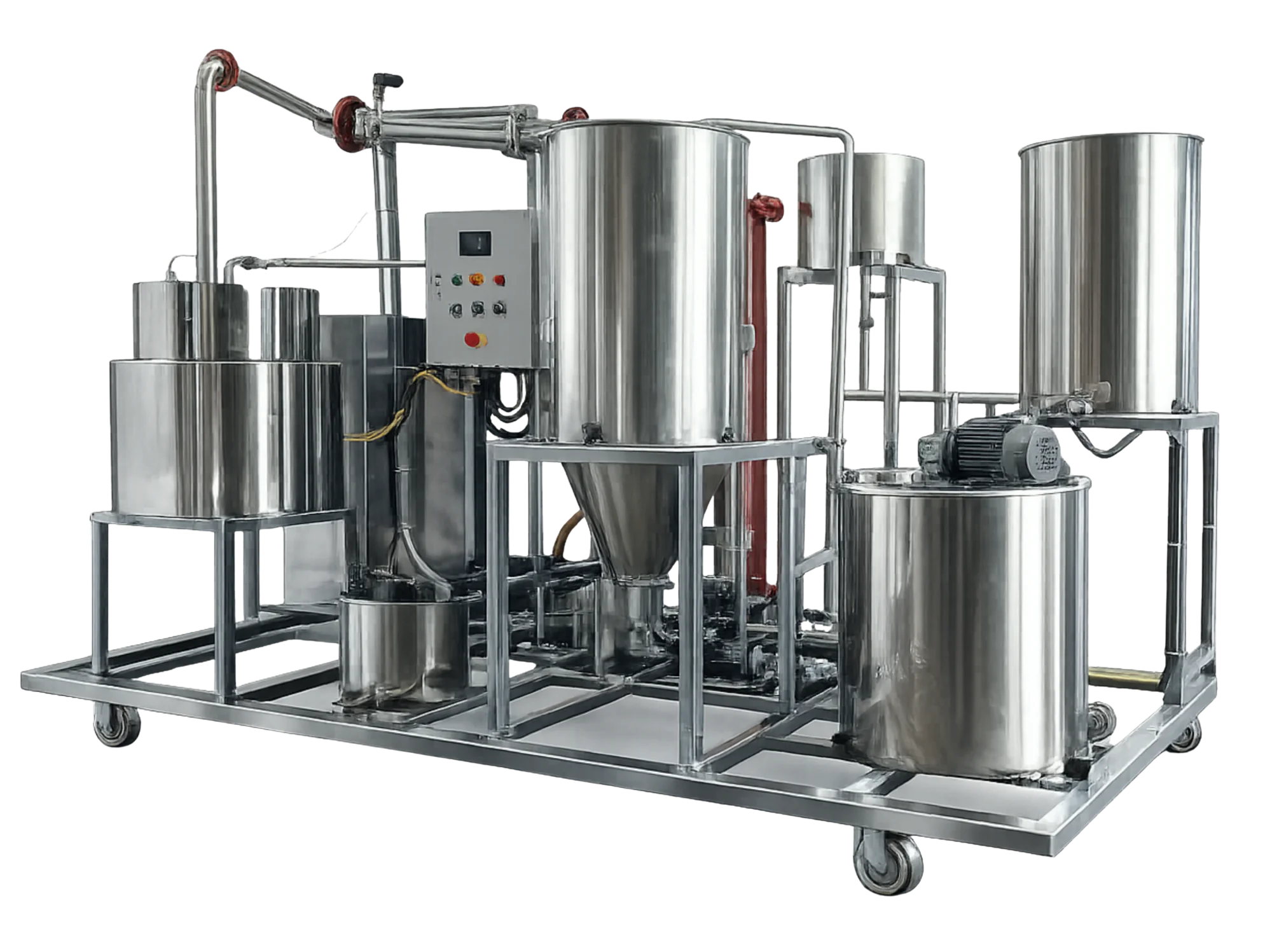
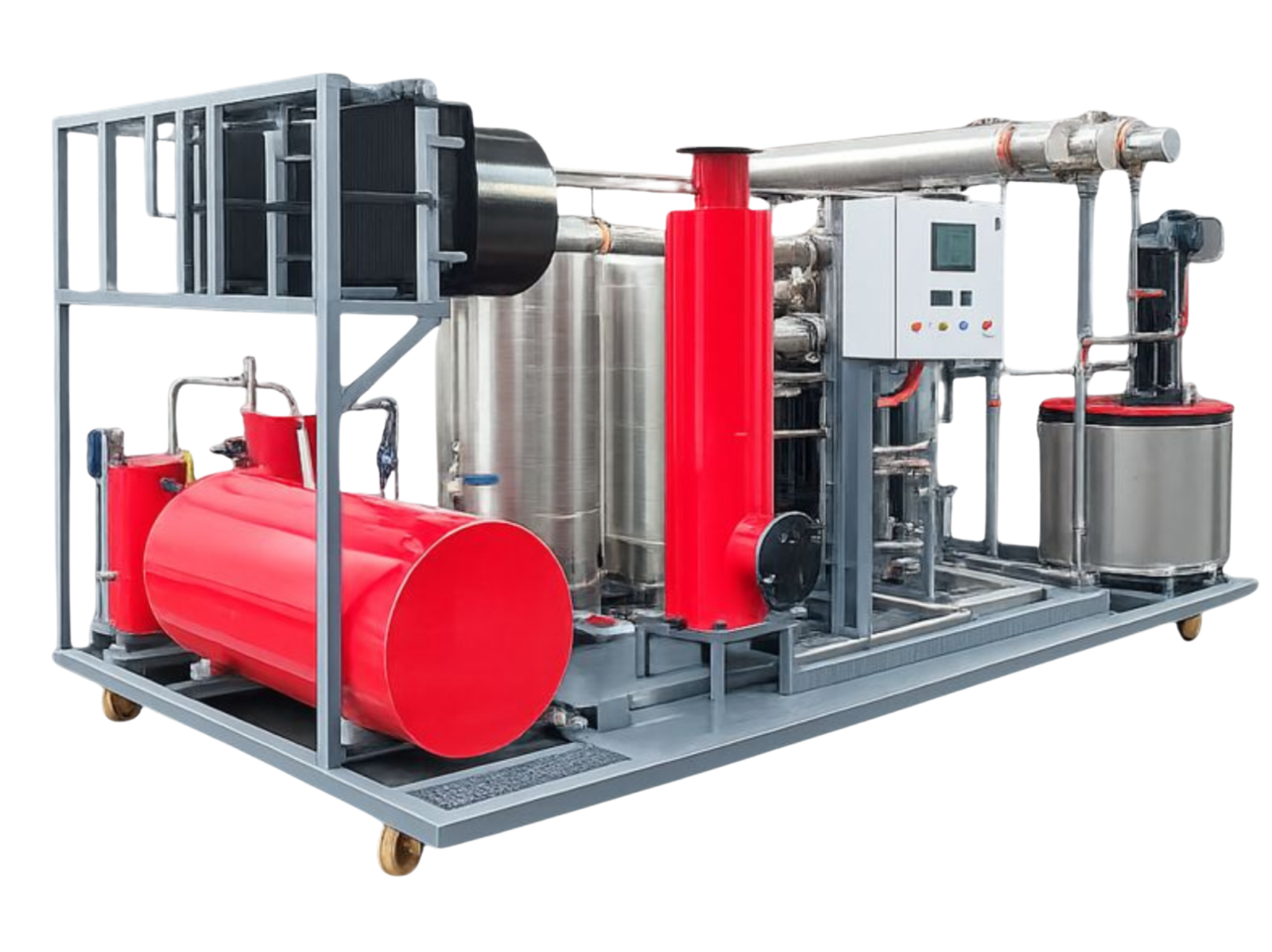 Waste Oil to Diesel Machine
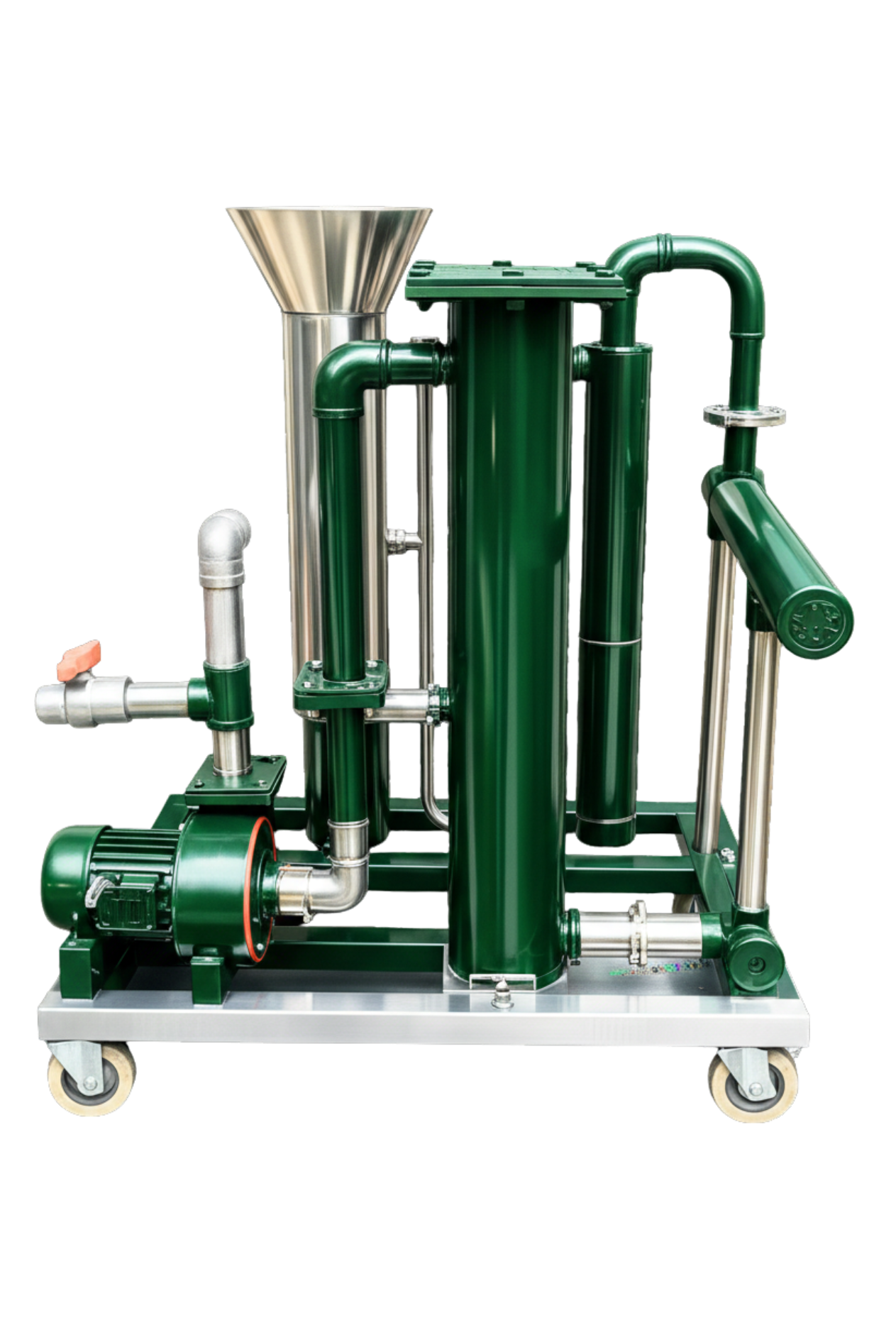 Biomass Gasifier