
Biochar Machine Manufacturer

When you are looking to buy a biochar machine, the biggest question is not simply “How much does it cost?” It is “Which machine configuration is right for my biomass, production target and business?”
That decision becomes much easier when you work directly with a Biochar Machine Manufacturer that can understand your feedstock and recommend equipment around your actual requirements.
Veera Group manufactures waste-to-value and biomass processing machinery for businesses looking to turn suitable organic residues into useful products. If you are comparing a Biochar Machine Manufacturer for a commercial project, the right place to start is with your raw material, expected production and intended use of the biochar.
Looking for a Biochar Machine to Buy?
A commercial biochar project normally starts with three questions:
What biomass do I have?
How much biomass can I process?
How much biochar do I want to produce?
The answers determine the machine configuration you should consider.
A system for a small biomass-processing operation does not necessarily need the same configuration as a larger commercial plant. Feedstock characteristics, moisture, particle size and availability can also influence the equipment selection.
This is why purchasing directly from a Biochar Machine Manufacturer can be useful. Instead of selecting a machine based only on a catalogue capacity, you can discuss the complete project before choosing the equipment.

How Does Biochar Production Work?
Biochar is produced through the thermal conversion of biomass in a low-oxygen environment. This process is commonly referred to as pyrolysis or carbonization, depending on the system and operating conditions.
The basic process involves several stages.
Biomass Preparation
The raw material is first prepared for processing. Depending on the feedstock, this may involve size reduction, screening and moisture control.
Controlled Heating
The prepared biomass enters the carbonization system, where controlled heating drives off volatile components.
Carbonization
As the biomass is heated under controlled oxygen conditions, a carbon-rich solid material is produced.
Cooling
The resulting biochar needs to be cooled appropriately before handling and storage.
Collection
The finished material can then be collected and prepared for its intended application.
A reliable Biochar Machine Manufacturer should be able to explain how each stage works with your specific feedstock rather than presenting one configuration as suitable for every material.
What Biomass Can Be Used?
Feedstock selection is one of the most important parts of a biochar project.
Depending on the machine configuration and operating conditions, potential biomass sources can include:
- Coconut shells
- Rice husk
- Sawdust
- Wood residues
- Agricultural residues
- Crop waste
- Forestry residues
- Other suitable biomass
However, not every feedstock behaves in the same way.
Moisture, particle size, density, ash content and composition can affect feeding, heating and carbonization performance.
Before buying from a Biochar Machine Manufacturer, it is therefore worth discussing the actual biomass you have available.
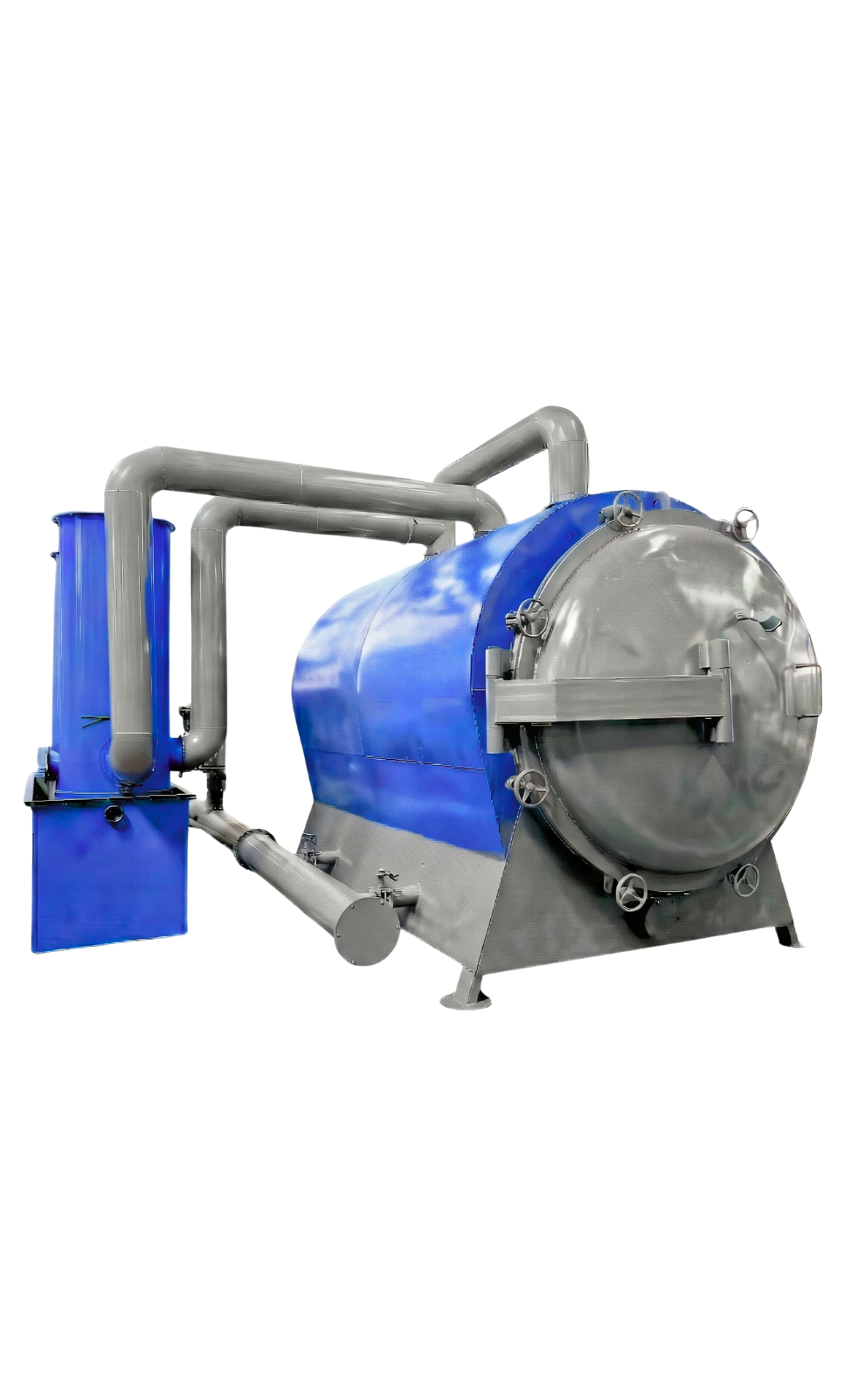
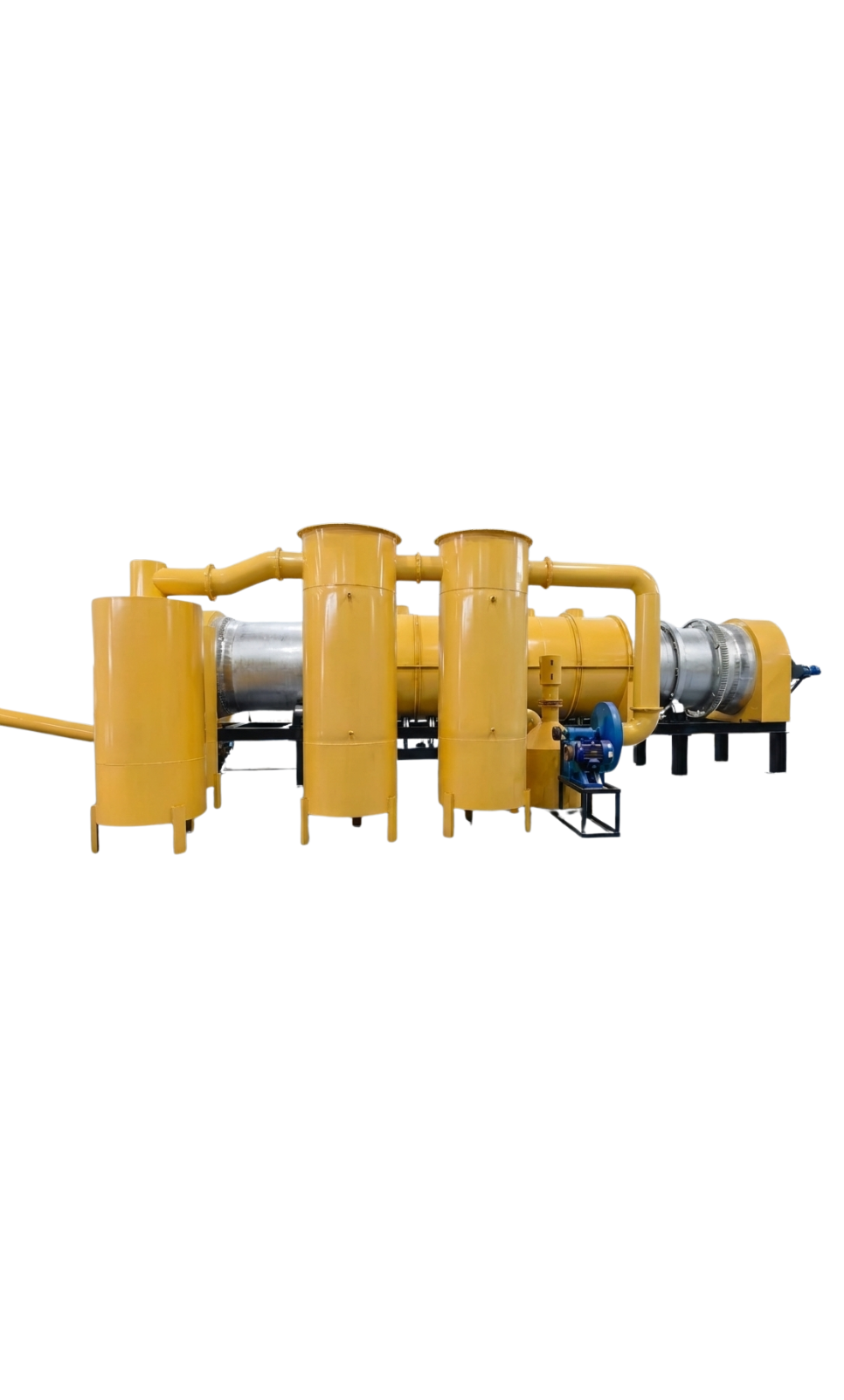
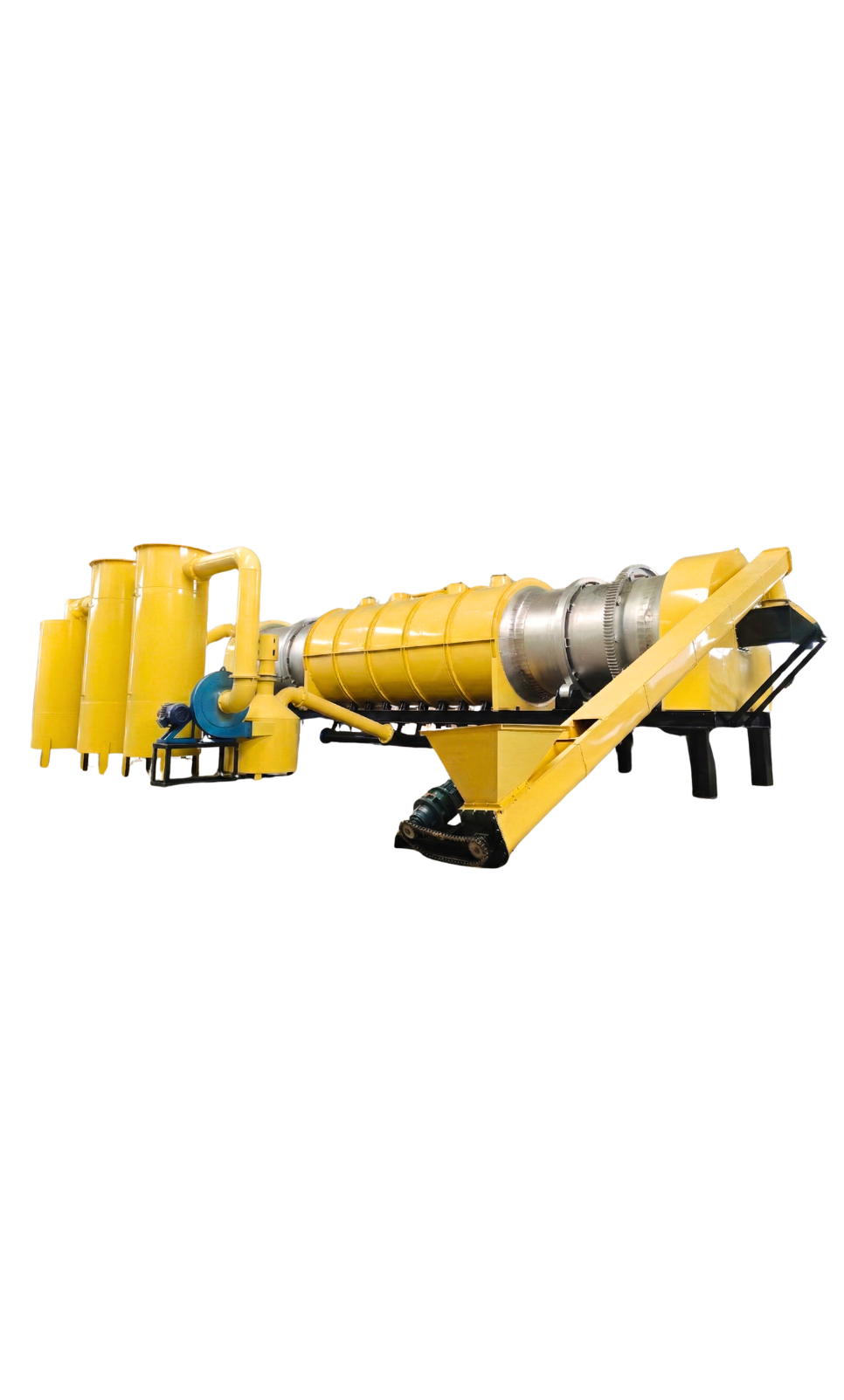
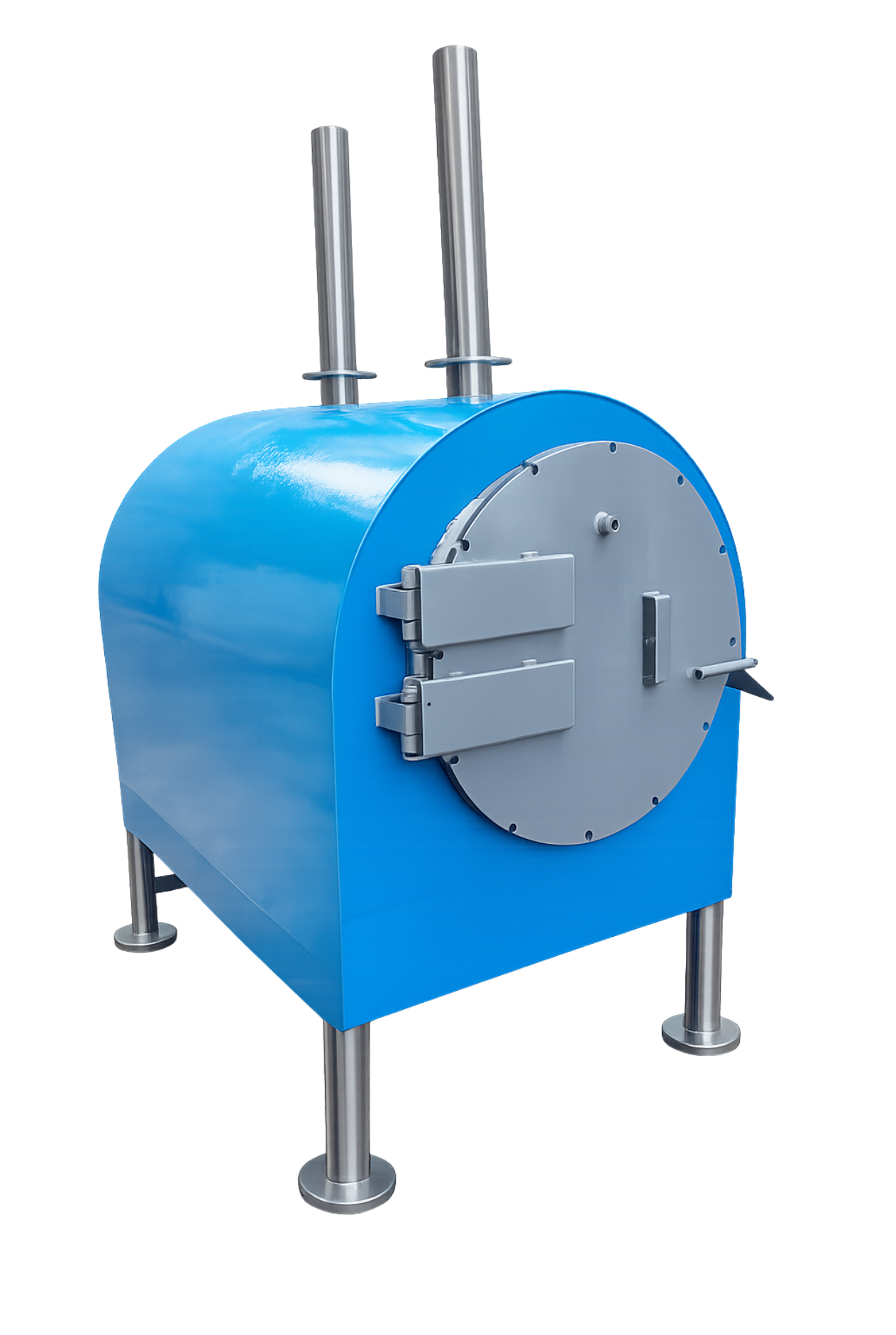
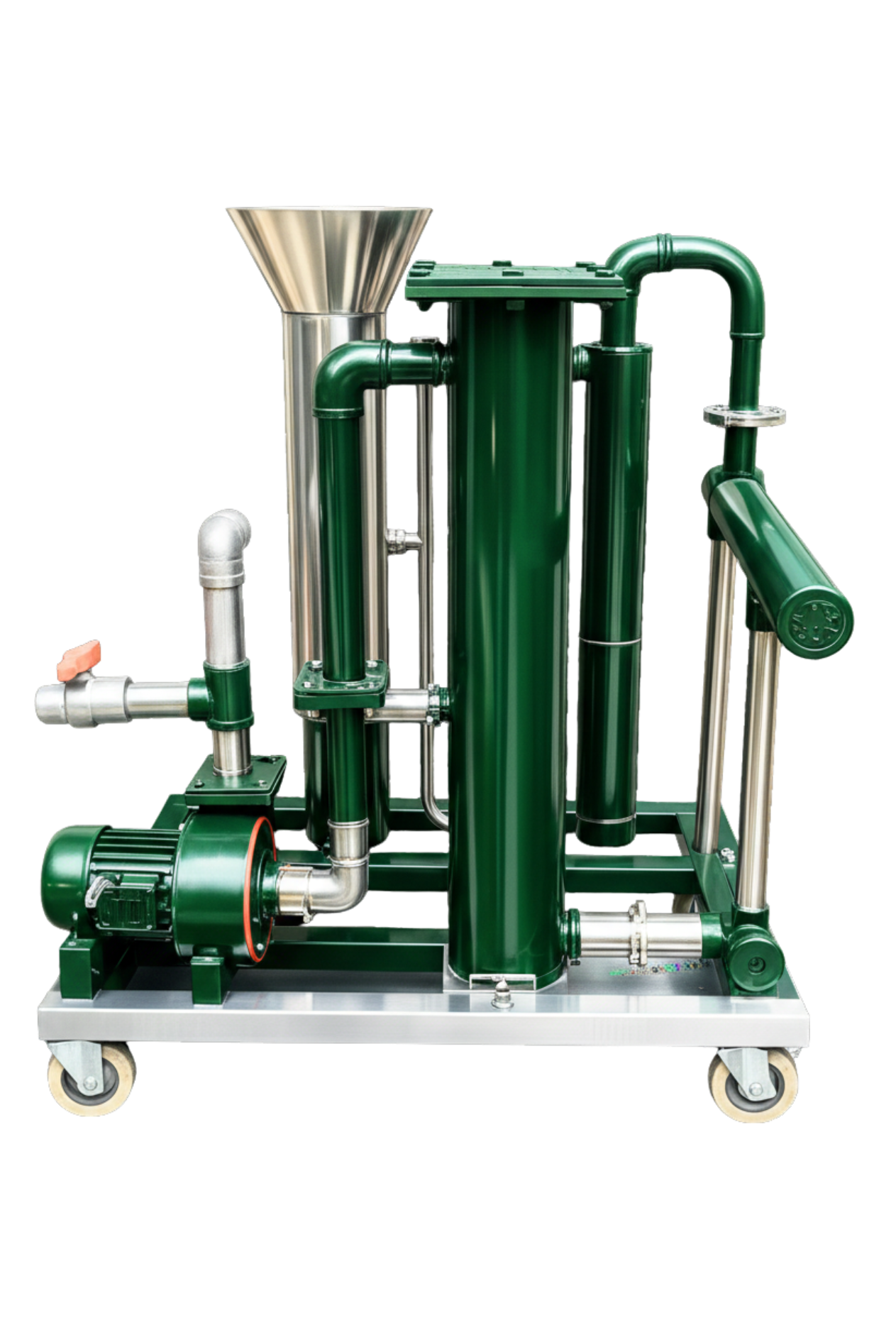
EXPLORE OUR RANGE OF HIGH-PERFORMANCE Biochar Machine
EXPLORE OUR RANGE OF HIGH-PERFORMANCE
Biodiesel Plant
BIOCHAR MACHINE
Advanced biochar production machines engineered for efficient biomass conversion. Designed for sustainable energy recovery and high quality biochar output. Simple, affordable and commercially viable technology.
Get a Quote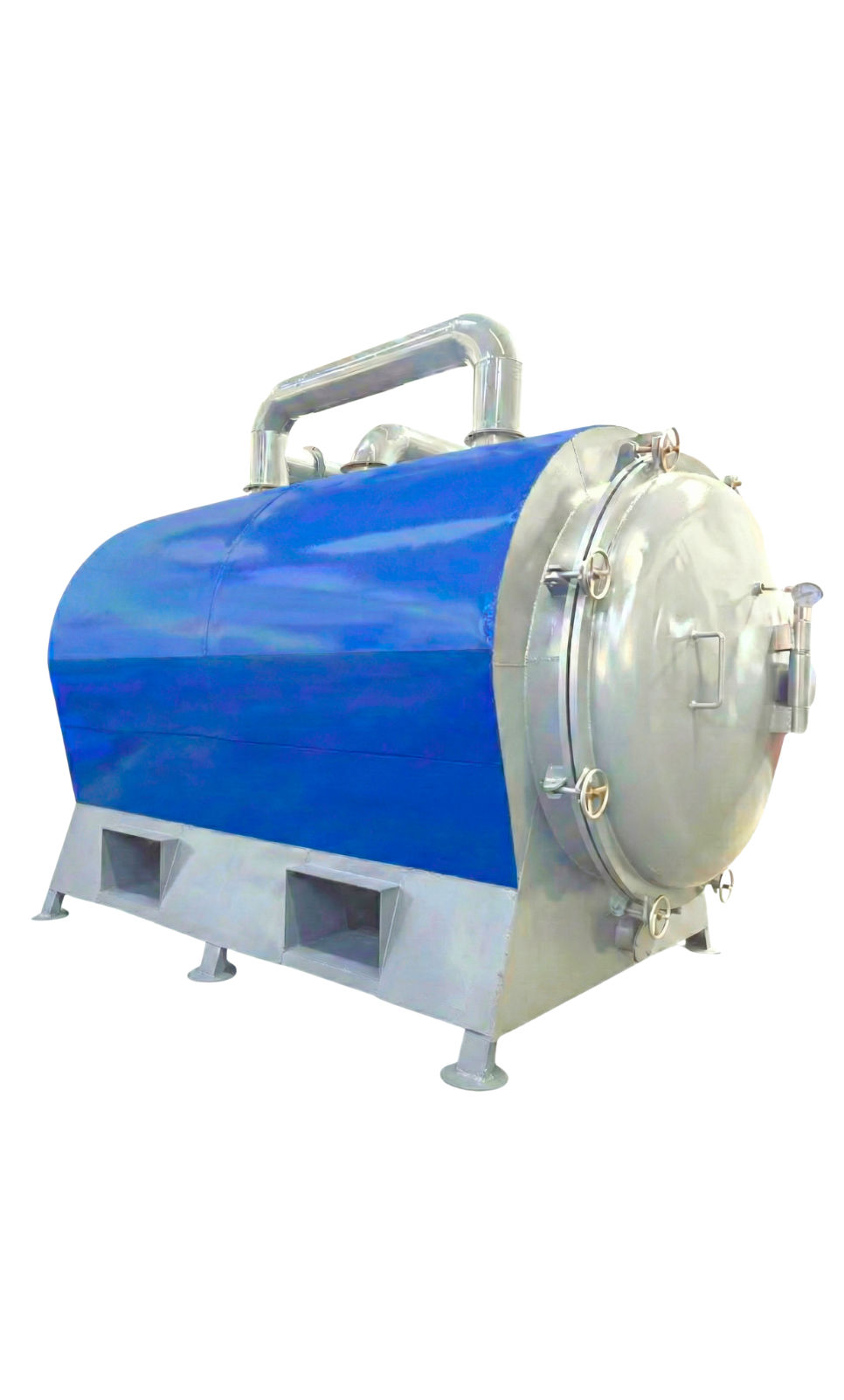
Choosing the Right Production Capacity
Capacity should be based on the biomass you can consistently supply.
If you have a reliable supply of several tonnes of biomass each day, your requirements will be different from a business with a much smaller feedstock stream.
Before buying, calculate:
Available biomass → Daily operating hours → Required processing capacity → Expected biochar output
This prevents a common mistake: purchasing a machine that is much larger or smaller than the actual business requirement.
A good Biochar Machine Manufacturer should be able to discuss capacity based on your available feedstock rather than simply selling you the largest available system.
Feedstocks Suitable for Biodiesel Production
The performance of a biodiesel plant depends heavily on the characteristics of the incoming feedstock.
Used Cooking Oil
Used cooking oil from restaurants, hotels, commercial kitchens, and food-processing facilities can be collected and processed into biodiesel after appropriate preparation.
Vegetable Oils
Suitable vegetable oils can be used as feedstock depending on their chemical properties and the selected processing configuration.
Animal Fats
Certain animal fats can be processed when the plant is appropriately configured for the material.
Selected Non-Edible Oils
Some non-edible oils may also be suitable for biodiesel production depending on their properties and the intended process.
Before purchasing a Biodiesel Plant for Sale, feedstock availability and quality should be assessed because they directly influence plant configuration and operating requirements.
Automation and Process Control
Automation can make a difference to how a commercial plant is operated.
Depending on the project, automation can assist with monitoring and controlling different stages of the process.
When comparing suppliers, ask:
- What functions are automated?
- How is temperature monitored?
- How is feeding controlled?
- How is the system operated?
- What operator involvement is required?
The objective should not be to buy the most automated system available. It should be to select the level of automation that makes sense for your production requirements.
Installation and Technical Support
Buying the machine is only one stage of establishing a production facility.
Installation, commissioning and operator understanding can also influence how smoothly the project starts.
A reliable Biochar Machine Manufacturer should be able to discuss:
- Installation requirements
- Site preparation
- Electrical requirements
- Utility requirements
- Commissioning
- Operator training
- Maintenance
- Spare parts
- Technical support
Ask these questions before placing the order rather than after the machine arrives at your site.
Why Choose Veera Group?
Veera Group works in waste-to-value and renewable-energy technologies, with solutions covering areas such as biochar machine, biomass gasification, waste-oil recycling and biodiesel.
The company’s approach is centered on converting available waste and biomass resources into useful products or energy through industrial processing technologies.
For a buyer comparing a Biochar Machine Manufacturer, this broader experience can be valuable because biomass projects often involve more than carbonization alone. Feedstock preparation, energy requirements, material handling and downstream applications all need to work together.
Veera Group also provides project discussions around machine selection, installation and technical requirements, allowing buyers to explain their specific feedstock and production goals before choosing a configuration.
Ready to Choose Your Biochar Machine?
Buying a Biochar Machine Manufacturer solution should start with your biomass, not with a machine catalogue.
Once you know your feedstock, available quantity, desired production and operating requirements, it becomes much easier to identify the right equipment configuration.
Whether you are setting up a new biochar production business or adding a carbonization system to an existing biomass operation, Veera Group can help you evaluate the appropriate machine configuration for your project.
If you are ready to discuss your requirements with a Biochar Machine Manufacturer, Veera Group can evaluate your biomass type, production target and project location and help you move toward a suitable biochar machine solution.
FAQs
How do I choose a biochar machine manufacturer?
Start by checking whether the manufacturer can work with your specific biomass and production requirement. Then evaluate machine configuration, technical support, installation, spare parts and project experience.
What is the best biochar machine for commercial production?
The right machine depends on your feedstock quantity, desired production capacity, operating hours and site conditions. There is no single configuration that is best for every project.
Can a biochar machine process agricultural waste?
Yes, suitable agricultural residues can be processed when their moisture, particle size and other characteristics match the machine requirements.
Can I buy a biochar machine based on my specific biomass?
Yes. Your biomass should actually be one of the first factors discussed with the manufacturer because different materials can require different preparation and processing conditions.
Does Veera Group supply biochar machines?
Yes. Veera Group supplies biomass and biochar-related machinery and can discuss machine configuration according to feedstock, capacity and project requirements.
BOOK A FREE CALL
Markeshwaran M│ Co-Founder & Technical SEO Lead │ Beyond Digital Marketing Agency
Markeshwaran specializes in industrial SEO, technical SEO, and B2B website optimization for manufacturing, renewable energy, and industrial businesses.
https://www.linkedin.com/in/markeshwaran-m-448777284/

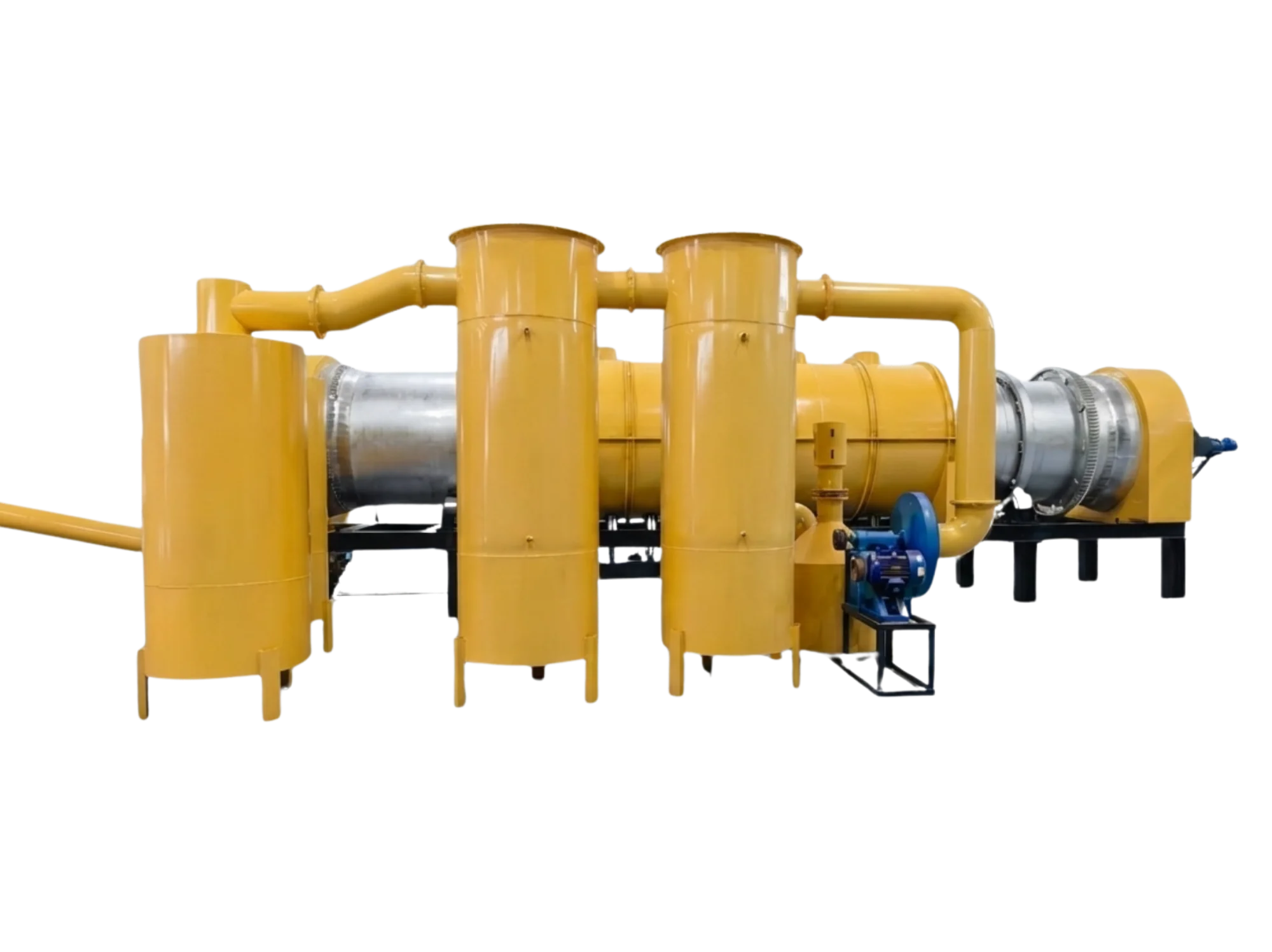
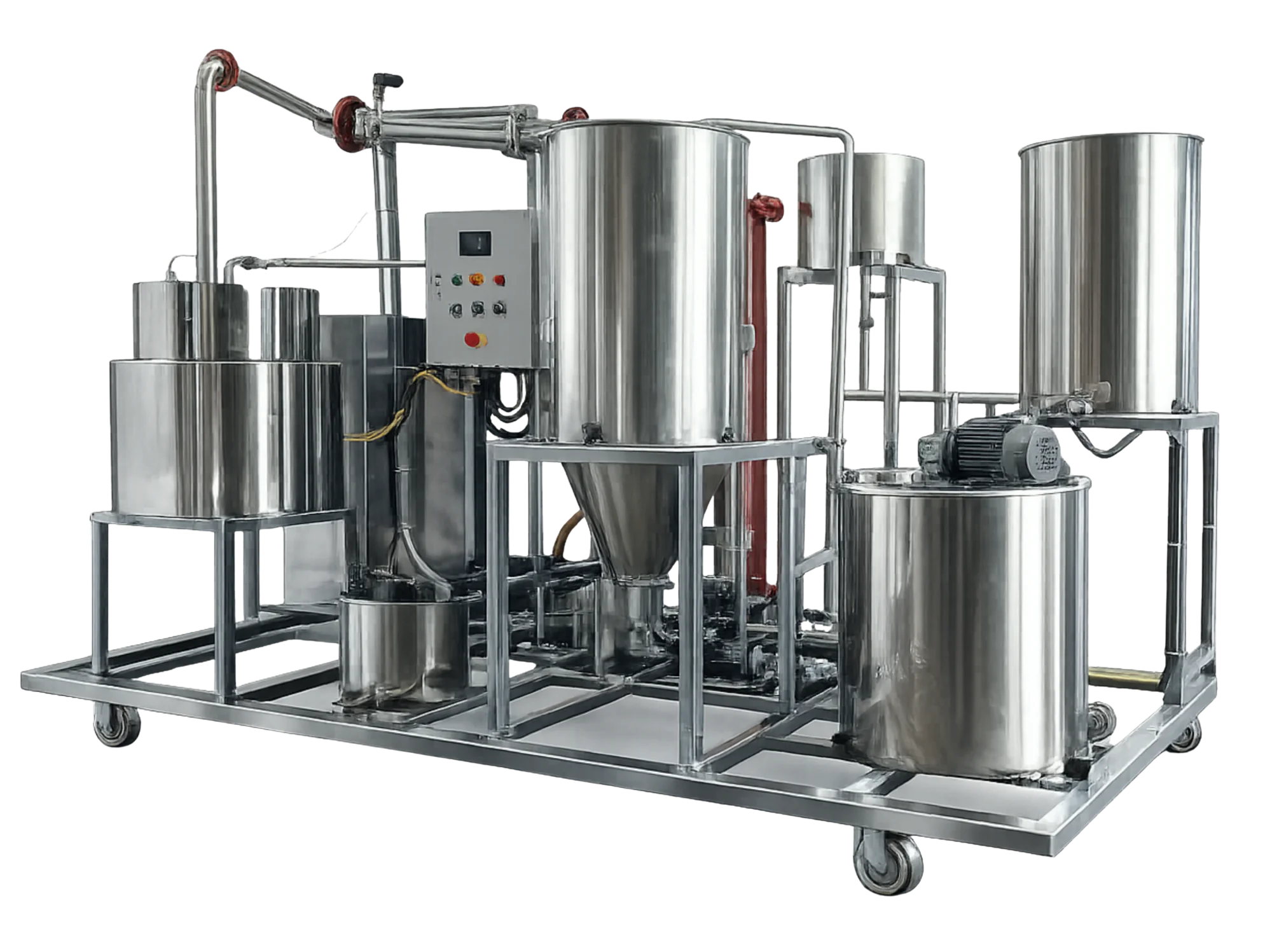
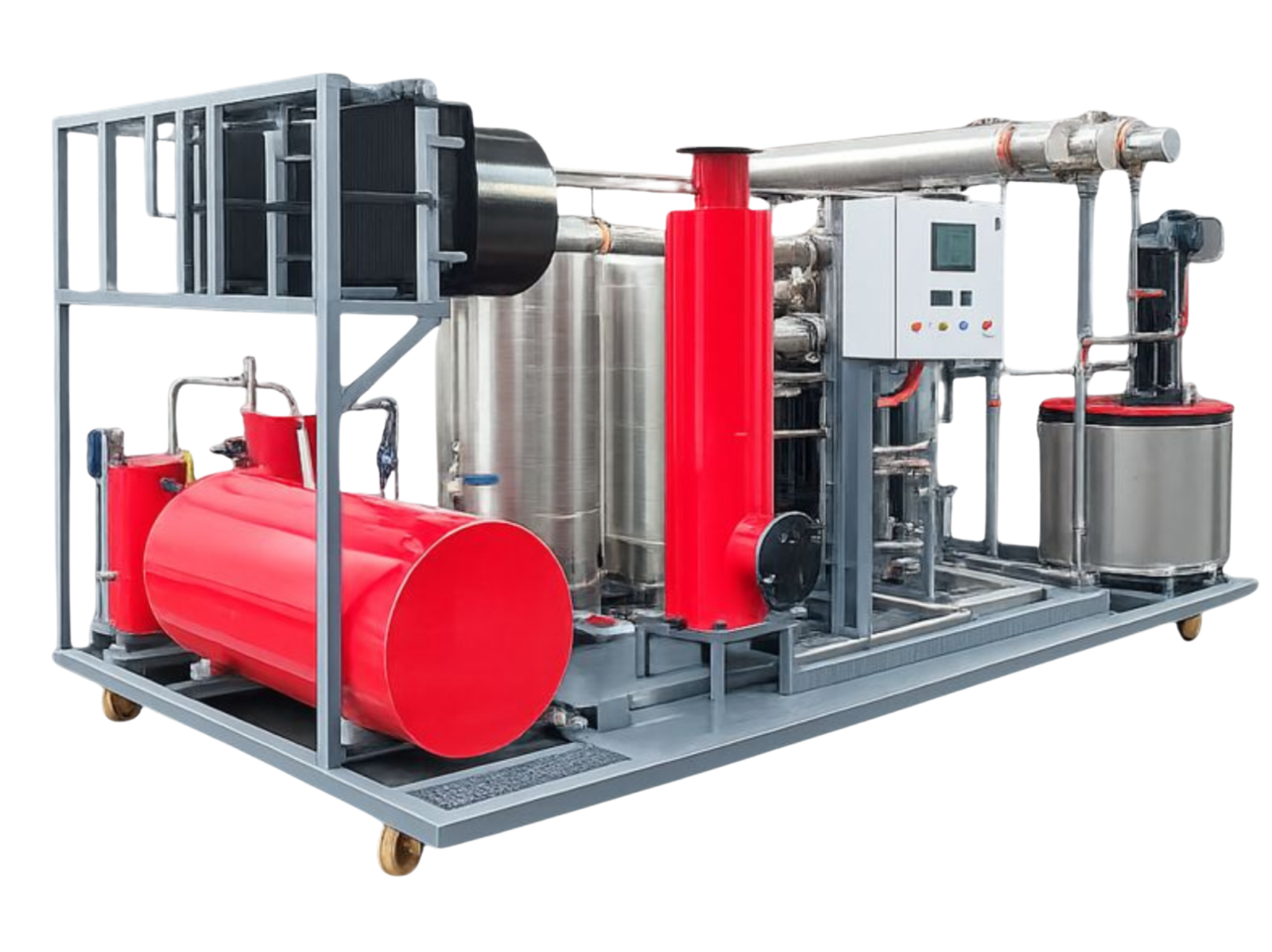 Waste Oil to Diesel Machine
 Biomass Gasifier