
BIOCHAR MAKING MACHINE
BIOCHAR MAKING MACHINE FOR CONTROLLED BIOMASS CARBONIZATION
A Biochar Making Machine is designed to convert suitable biomass into carbonized material through controlled dry carbonization. Instead of treating biomass residues simply as waste, the process uses controlled heating to transform the material into biochar or charcoal for specific end applications.
Veera Group manufactures horizontal dry carbonization systems for biomass processing, with both batch and continuous configurations available across different production capacities. The catalog identifies feedstocks including sawdust, coconut shell, wood, bark, leaves, grass and other suitable biomass materials.
The right Biochar Making Machine depends on the material being processed, its moisture level, the required production volume and the type of carbonized product required.
A Biochar Making Machine is designed to convert suitable biomass into carbonized material through controlled dry carbonization. Instead of treating biomass residues simply as waste, the process uses controlled heating to transform the material into biochar or charcoal for specific end applications.
Veera Group manufactures horizontal dry carbonization systems for biomass processing, with both batch and continuous configurations available across different production capacities. The catalog identifies feedstocks including sawdust, coconut shell, wood, bark, leaves, grass and other suitable biomass materials.
The right Biochar Making Machine depends on the material being processed, its moisture level, the required production volume and the type of carbonized product required.


BIOMASS GOES THROUGH A CONTROLLED TRANSFORMATION
FROM RAW BIOMASS TO CARBON-RICH MATERIAL
Biochar production begins with suitable biomass rather than finished carbon material.
The general production sequence is:
BIOMASS → HEATING → DRY CARBONIZATION → CARBONIZED MATERIAL → COOLING & COLLECTION
Veera’s carbonization systems use an anaerobic dry distillation process. During operation, carbonization gas is recovered and reused for self-heating according to the catalog’s process description.
This makes the Biochar Making Machine a processing system rather than simply a heating chamber. Feedstock preparation, controlled carbonization and product handling all form part of the production process.
PREPARE THE BIOMASS BEFORE IT ENTERS THE MACHINE
FEEDSTOCK CONDITION AFFECTS THE CARBONIZATION PROCESS
The performance of a Biochar Making Machine starts with the condition of the biomass being supplied.
Typical materials listed by Veera include:
- Sawdust
- Coconut shell
- Wood
- Wood bark
- Leaves
- Grass
- Other suitable biomass residues
For the continuous BP 100 C and BP 200 C systems, the catalog specifies biomass moisture of up to 30%.
Before production, the operator should understand the characteristics of the available biomass, including:
MATERIAL TYPE
Different biomass materials behave differently during heating and carbonization.
MOISTURE CONTENT
Moisture affects the amount of energy required during the process and should be considered when planning production.
AVAILABLE QUANTITY
Daily biomass availability should correspond with the intended operating capacity of the machine.
REQUIRED PARTICLE CONDITION
The physical form and preparation of the feedstock should be discussed when selecting the appropriate system.
EXPLORE OUR RANGE OF HIGH-PERFORMANCE Biochar machine
EXPLORE OUR RANGE OF HIGH-PERFORMANCE
Biochar Machine
BIOCHAR MACHINE
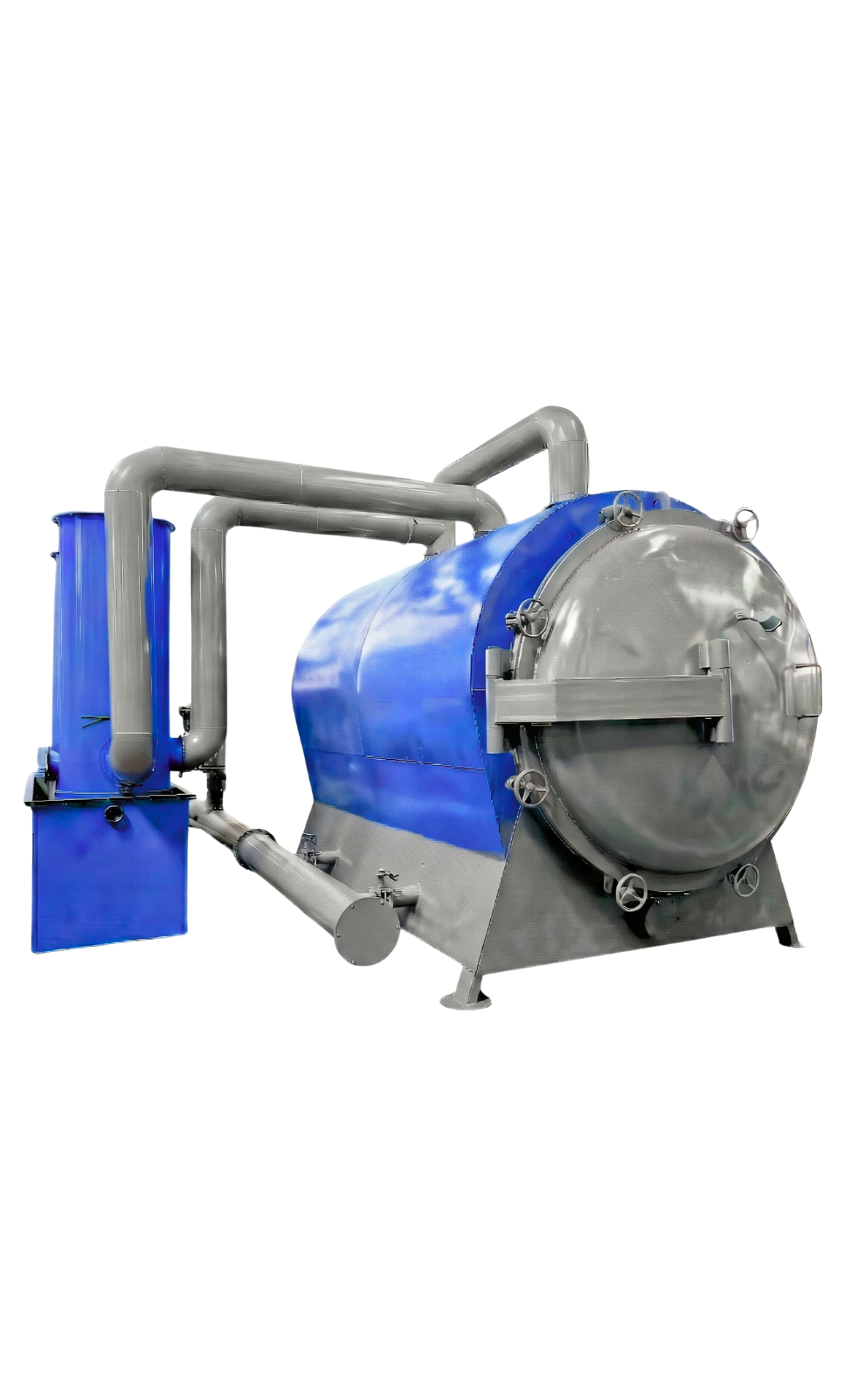
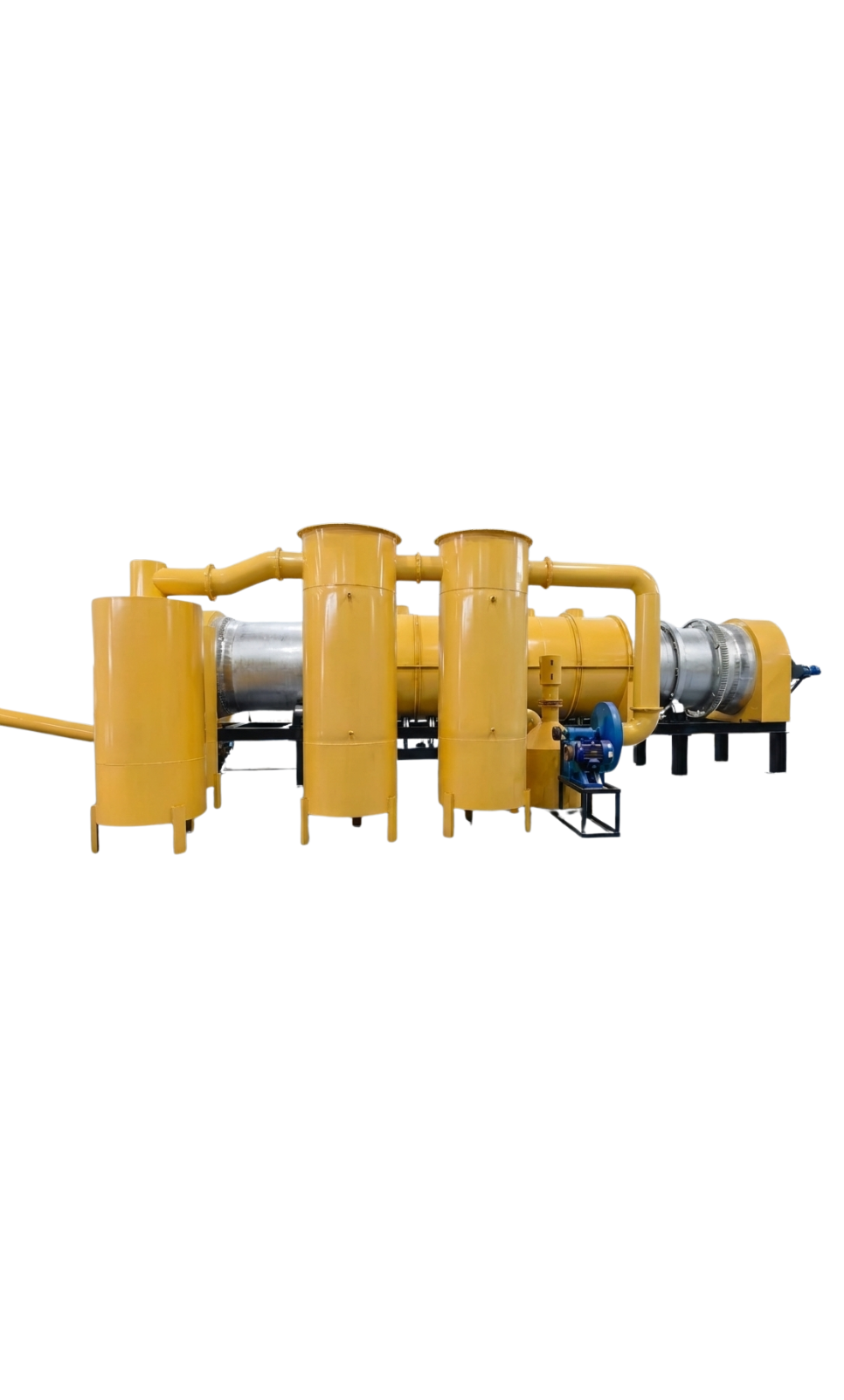
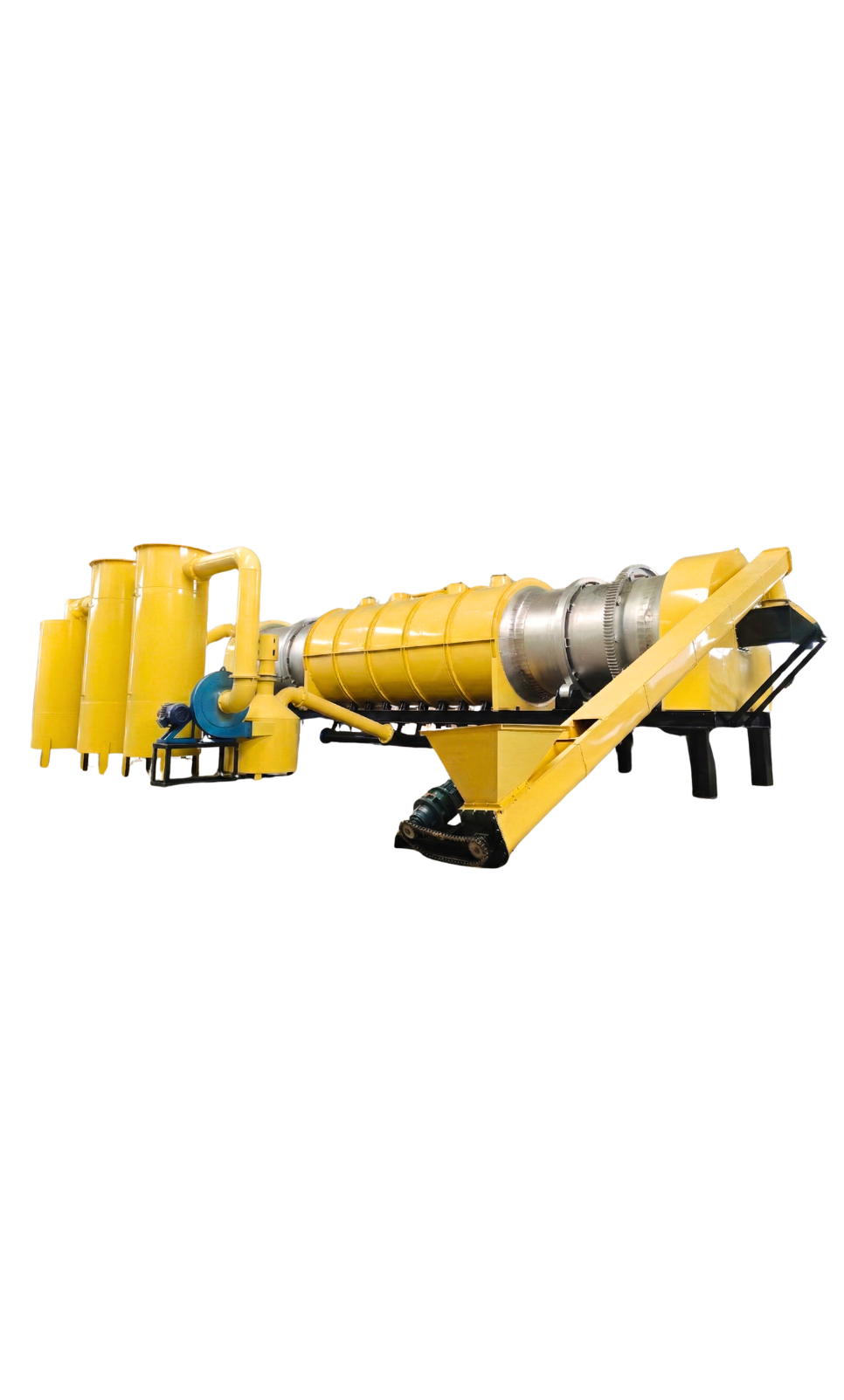
Advanced biochar production machines engineered for efficient biomass conversion. Designed for sustainable energy recovery and high quality biochar output. Simple, affordable and commercially viable technology.
Get a Quote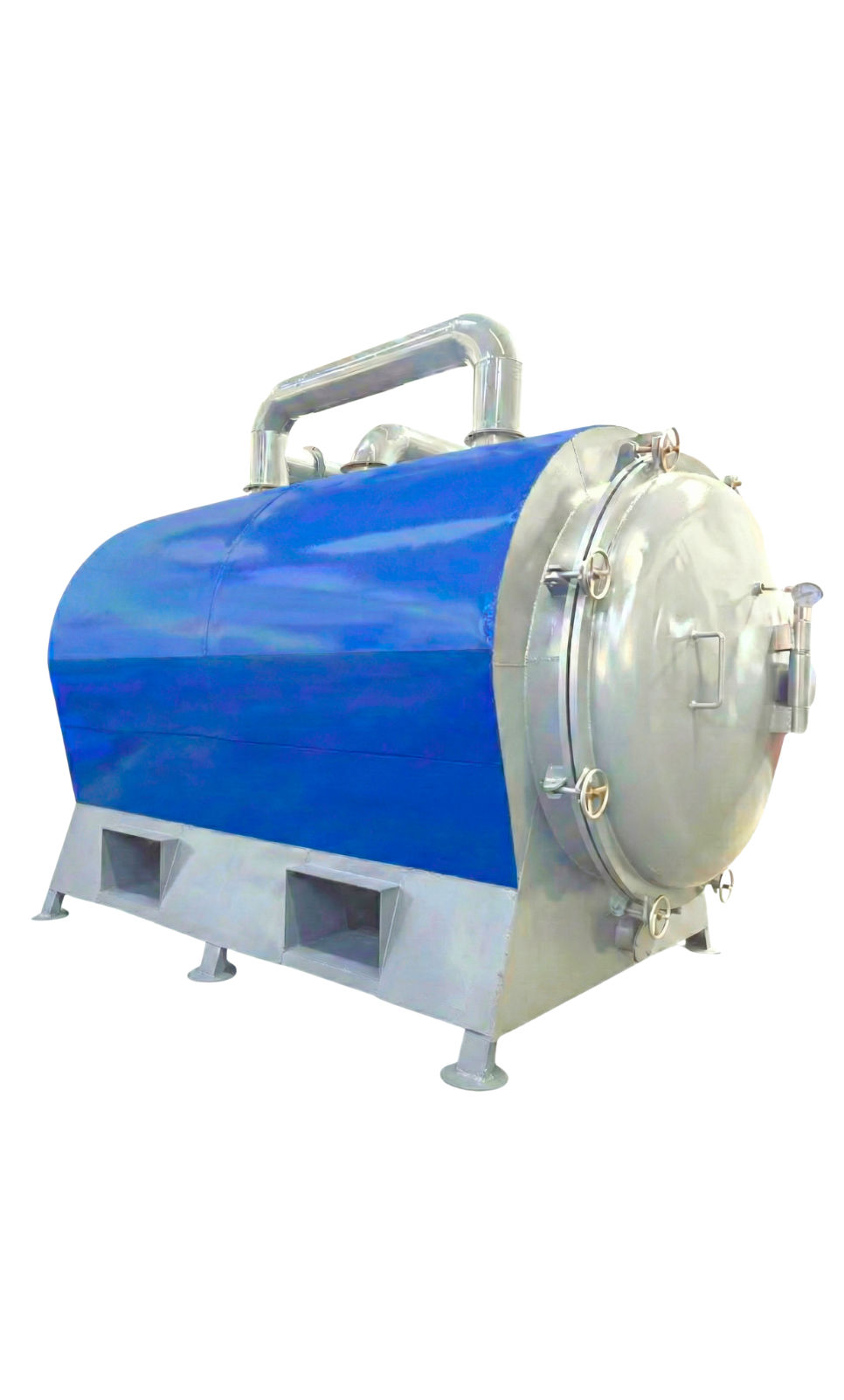
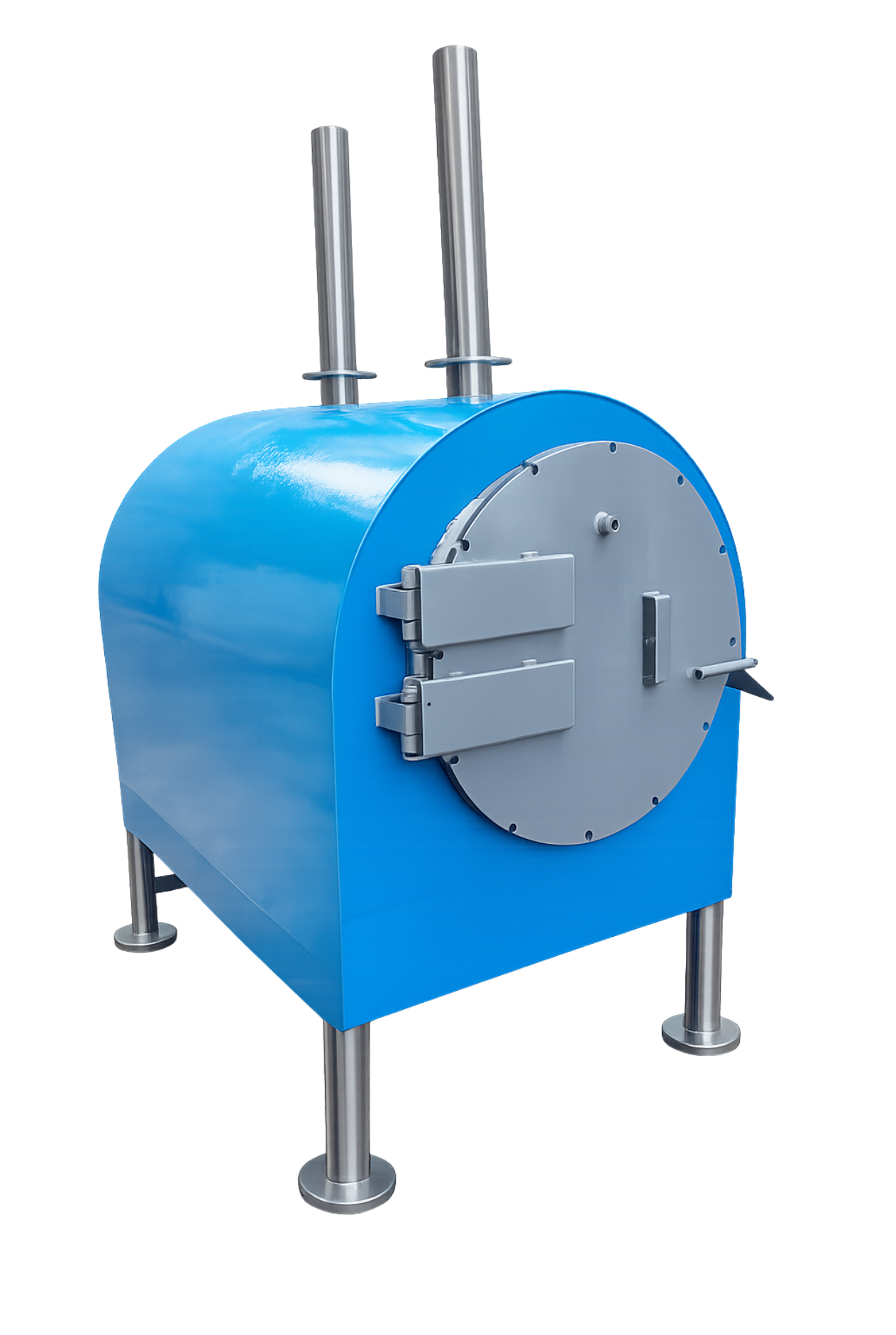
WHAT HAPPENS INSIDE THE CARBONIZATION SYSTEM?
HEATING, GAS RECOVERY AND CARBONIZATION
The core function of a Biochar Making Machine is controlled thermal processing of biomass.
Veera describes its systems as horizontal dry carbonization equipment using anaerobic dry distillation. The carbonization gas generated during the process can be recovered and reused for self-heating.
The process can be understood in stages:
STAGE 1 — BIOMASS LOADING
Suitable biomass is introduced into the carbonization system.
STAGE 2 — CONTROLLED HEATING
The material is heated using the selected heating arrangement.
STAGE 3 — DRY CARBONIZATION
The biomass undergoes carbonization under controlled conditions.
STAGE 4 — GAS RECOVERY
Carbonization gas is recovered and used for self-heating as described by Veera’s system.
STAGE 5 — CARBONIZED PRODUCT
The processed material becomes a carbon-rich product that can be collected for its intended application.
This controlled sequence is what separates a dedicated Biochar Making Machine from basic biomass heating equipment.
BIOCHAR PRODUCTION ACROSS KEY GLOBAL MARKETS
INDIA — AGRICULTURAL AND BIOMASS RESIDUES
India has diverse biomass resources such as agricultural residues, coconut-based materials, wood residues and other organic feedstocks that can be considered for carbonization projects. A Biochar Making Machine can be evaluated according to the locally available biomass and required production scale.
USA — COMMERCIAL BIOMASS PROCESSING
In the USA, biomass residues from agricultural, forestry and other processing activities can create opportunities for dedicated carbonization projects. Machine selection should be based on the actual feedstock and processing volume.
UNITED KINGDOM — TURNING BIOMASS RESIDUES INTO CARBONIZED PRODUCTS
UK projects can evaluate biochar production where suitable biomass residues are consistently available. A Biochar Making Machine provides a controlled method for processing these materials into carbonized products.
CANADA — FORESTRY AND BIOMASS RESOURCES
Canada’s forestry and biomass sectors can provide potential feedstock sources for carbonization projects. The appropriate machine depends on the type, moisture and quantity of biomass available.
AUSTRALIA — AGRICULTURAL AND ORGANIC BIOMASS
Australian projects can assess locally available agricultural and organic biomass for carbonization. Batch or continuous equipment can be considered according to the required processing volume.
GERMANY & FRANCE — INDUSTRIAL BIOMASS UTILIZATION
Industrial and agricultural biomass residues can create opportunities for biochar production in Germany and France. Equipment selection should focus on feedstock characteristics, capacity and the intended carbonized product.
BATCH PRODUCTION OR CONTINUOUS OPERATION?
TWO DIFFERENT WAYS TO ORGANIZE BIOCHAR PRODUCTION
The production method becomes important when selecting a Biochar Making Machine.
BATCH CARBONIZATION
Batch systems process biomass in individual cycles.
Veera’s range includes the BP 200 SC Mini, BP 1600 SC and BP 3100 SC batch systems. The BP 200 SC Mini, for example, is listed with approximately 600 kg/day raw material input, approximately 200 kg/day charcoal output, a 3–4 hour batch cycle and up to three batches per day.
CONTINUOUS CARBONIZATION
Continuous systems are designed for ongoing biomass processing.
The BP 100 C is listed at 400 kg/hour biomass capacity and approximately 2.4 tons/day continuous processing. The BP 200 C is listed at 800 kg/hour and approximately 4.8 tons/day.
The choice between batch and continuous operation should be based on the project’s feedstock supply, production target and preferred operating method.
VEERA MACHINES FOR DIFFERENT BIOCHAR PRODUCTION SCALES
SELECTING CAPACITY AROUND YOUR DAILY BIOMASS SUPPLY
Veera’s Biochar Making Machine range includes smaller batch equipment as well as higher-capacity continuous systems.
| MODEL | OPERATION | BIOMASS / RAW MATERIAL CAPACITY |
|---|---|---|
| BP 200 SC Mini | Batch | ~600 kg/day |
| BP 1600 SC | Batch | ~3–8 tons/day |
| BP 3100 SC | Batch | ~8 tons/day |
| BP 100 C | Continuous | 400 kg/hour |
| BP 200 C | Continuous | 800 kg/hour |
The continuous BP 100 C is specified with 10 kW electrical power, while the BP 200 C is specified with 15 kW. Both are listed with electric, LPG, diesel and pellet burner heating options.
For a new Biochar Making Machine project, the practical starting point is therefore the quantity of biomass you can consistently supply rather than simply choosing the highest-capacity model.
BUILT AROUND REAL BIOMASS PROCESSING REQUIREMENTS

VEERA GROUP’S CARBONIZATION EQUIPMENT
Veera Group, through Sakthi Veera Green Energy Pvt. Ltd., manufactures machinery for waste-to-energy and biomass processing applications.
Its catalog states that the company has served customers in 53+ countries and lists ISO 9001:2015, ISO 14001:2015 and CE certifications.
For buyers evaluating a Biochar Making Machine, Veera provides different machine capacities and configurations rather than a single standardized unit.
The catalog lists a one-year warranty and an estimated 6–12 working weeks production period, depending on the model and customization. It also specifies Ex-Works terms.
If you already know your biomass type and daily quantity, those details can be used to determine which Biochar Making Machine configuration is appropriate for your project.
PLANNING A BIOCHAR PRODUCTION PROJECT?
Tell us what biomass you have, how much is available per day and what you want to produce. Veera Group can help identify the appropriate carbonization machine for your requirement.
FAQs
WHAT DOES A BIOCHAR MAKING MACHINE DO?
A Biochar Making Machine processes suitable biomass through controlled dry carbonization to produce carbonized material such as biochar or charcoal.
HOW DOES THE MACHINE MAKE BIOCHAR?
The biomass is heated through a controlled dry carbonization process. Veera describes its systems as using anaerobic dry distillation, with recovered carbonization gas reused for self-heating.
WHAT BIOMASS CAN BE PROCESSED?
Veera lists sawdust, coconut shell, wood, bark, leaves, grass and other suitable biomass materials. Feedstock suitability should be confirmed for the specific project.
WHAT IS THE CAPACITY OF A BIOCHAR MAKING MACHINE?
Capacity varies by model. The BP 100 C is listed at 400 kg/hour, while the BP 200 C is listed at 800 kg/hour.
DOES VEERA OFFER BATCH MACHINES?
Yes. Veera's catalog includes batch models such as the BP 200 SC Mini, BP 1600 SC and BP 3100 SC.
BOOK A FREE CALL
Markeshwaran specializes in industrial SEO, technical SEO, and B2B website optimization for manufacturing, renewable energy, and industrial businesses.
https://www.linkedin.com/in/markeshwaran-m-448777284/