Biochar Production Technology: How Modern Systems Turn Biomass Into Value
For businesses planning to convert agricultural and organic waste into biochar, understanding Biochar Production Technology is important before investing in machinery. The technology you choose affects how biomass is prepared, heated, carbonized, cooled and finally collected.
Modern systems are designed to make this process more controlled and consistent than traditional methods. If you are currently evaluating equipment, the Biochar Production Equipment page is a useful starting point for understanding the type of machinery involved.
The right technology should ultimately match your biomass, production capacity, operating method and end product requirements.
What Is Biochar Production Technology?
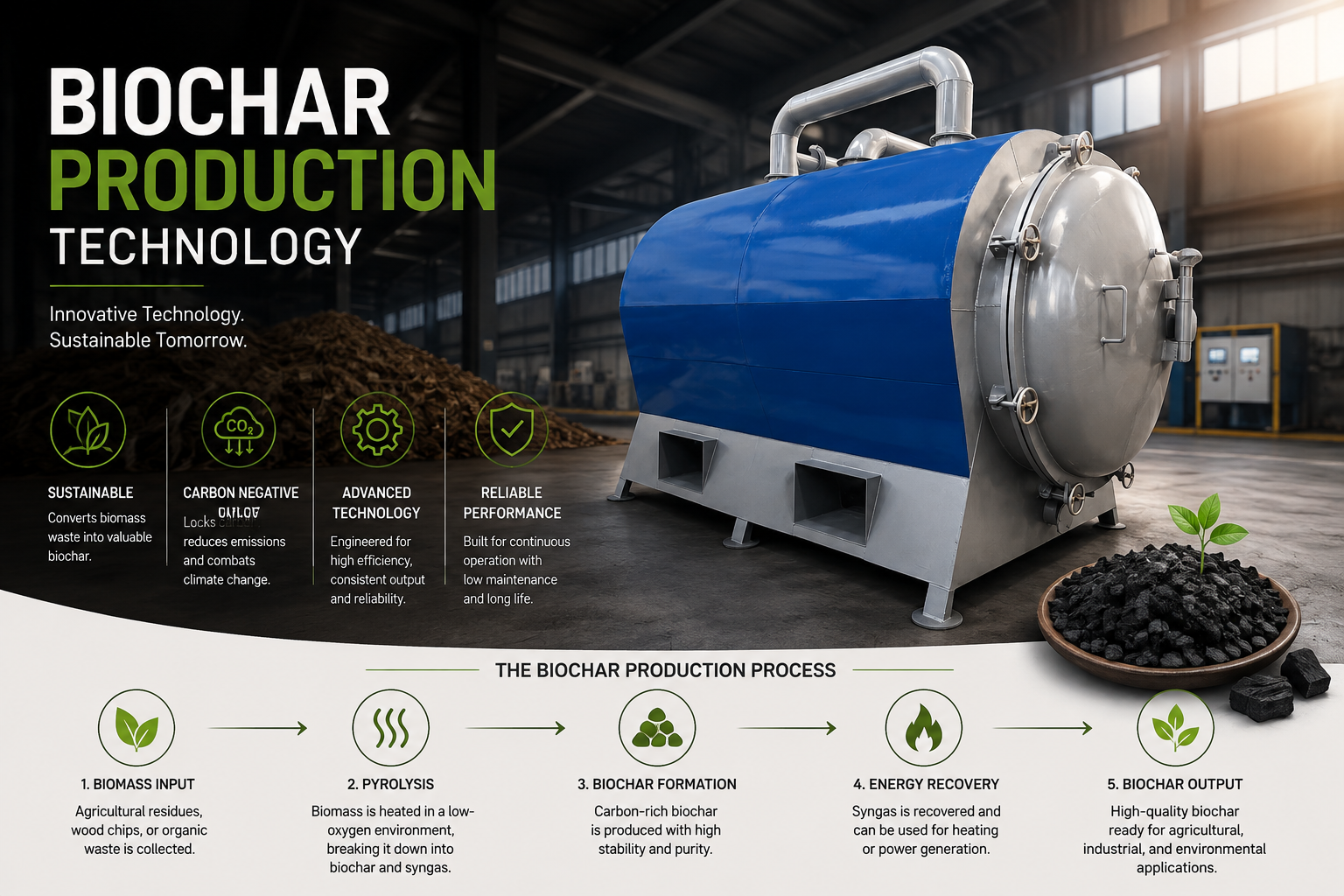
Biochar Production Technology refers to the controlled thermal conversion of biomass into a stable, carbon-rich material called biochar.
The process generally takes place under limited-oxygen conditions. Instead of completely burning the biomass, controlled heating causes thermal decomposition and produces biochar along with gases and vapours.
The exact arrangement can vary depending on the machine design, feedstock and production scale.
Why Does the Technology Matter?
Not all biomass behaves the same way during carbonization.
Coconut shells, sawdust, wood waste, agricultural residues and other biomass materials can differ in moisture, particle size, density and composition.
This makes Biochar Production Technology an important consideration when selecting equipment.
A system that works well for one feedstock may require different preparation or operating conditions for another. This is why buyers should discuss their actual raw material with the equipment manufacturer before making a final decision.
From Biomass to Biochar: The Main Stages
1. Biomass Preparation
Every successful Biochar Production Technology setup starts with suitable feedstock preparation.
Depending on the material, preparation can include:
Drying
Size reduction
Screening
Removal of unwanted material
Consistent feeding preparation
Moisture is particularly important because excessive water can increase the energy required during thermal processing.
2. Controlled Thermal Conversion
Once prepared, biomass enters the thermal processing system.
The Biochar Production Technology used by modern carbonization machines controls the heating environment so the biomass undergoes decomposition rather than uncontrolled combustion.
Temperature and residence time are important operating factors because they influence the characteristics of the final carbon product.
3. Gas Handling and Energy Recovery
Thermal conversion produces gases and vapours. Depending on the equipment configuration, these can be collected and managed as part of the overall system.
Veera Group describes its carbonization systems as using process gas for system heating, which can reduce reliance on external fuel during operation.
This is one of the practical areas buyers should examine when comparing different Biochar Production Technology options.
4. Cooling
After carbonization, the biochar needs to be cooled before it can be safely handled.
Cooling is particularly important for continuous production because the material needs to move from the carbonization stage to collection without disrupting the operating cycle.
5. Collection and Storage
The final stage of Biochar Production Technology is the controlled discharge and collection of the finished biochar.
Depending on the business, the product may then be stored, screened, packed or prepared for further applications.
Continuous or Batch Technology?
One of the decisions buyers often face is whether to choose batch or continuous Biochar Production Technology.
A batch system processes biomass in defined cycles. This can suit businesses that have variable feedstock availability or prefer a simpler production schedule.
Continuous technology is designed around ongoing feeding and discharge. It can be more suitable when a business has a reliable biomass supply and wants consistent commercial production.
Veera Group currently lists both continuous models such as the BP100 C and BP200 C and semi-continuous models such as the BP1600 SC and BP3100 SC.
What Should Buyers Compare?
When evaluating Biochar Production Technology, don’t compare machines only by capacity.
Look at the complete operating system:
Feedstock Compatibility
Can the technology handle your actual biomass?
Moisture Requirements
What preparation is required before the material enters the reactor?
Processing Capacity
How much biomass can the system handle per hour or day?
Temperature Control
How is the carbonization temperature monitored?
Gas Management
How are the gases generated during processing handled?
Cooling
How is the finished biochar cooled and discharged?
Automation
How much manual operation is required?
Technical Support
Does the manufacturer provide installation and operator assistance?
These factors can have a bigger impact on your project than the machine’s headline capacity.
Veera Group’s Biochar Production Technology
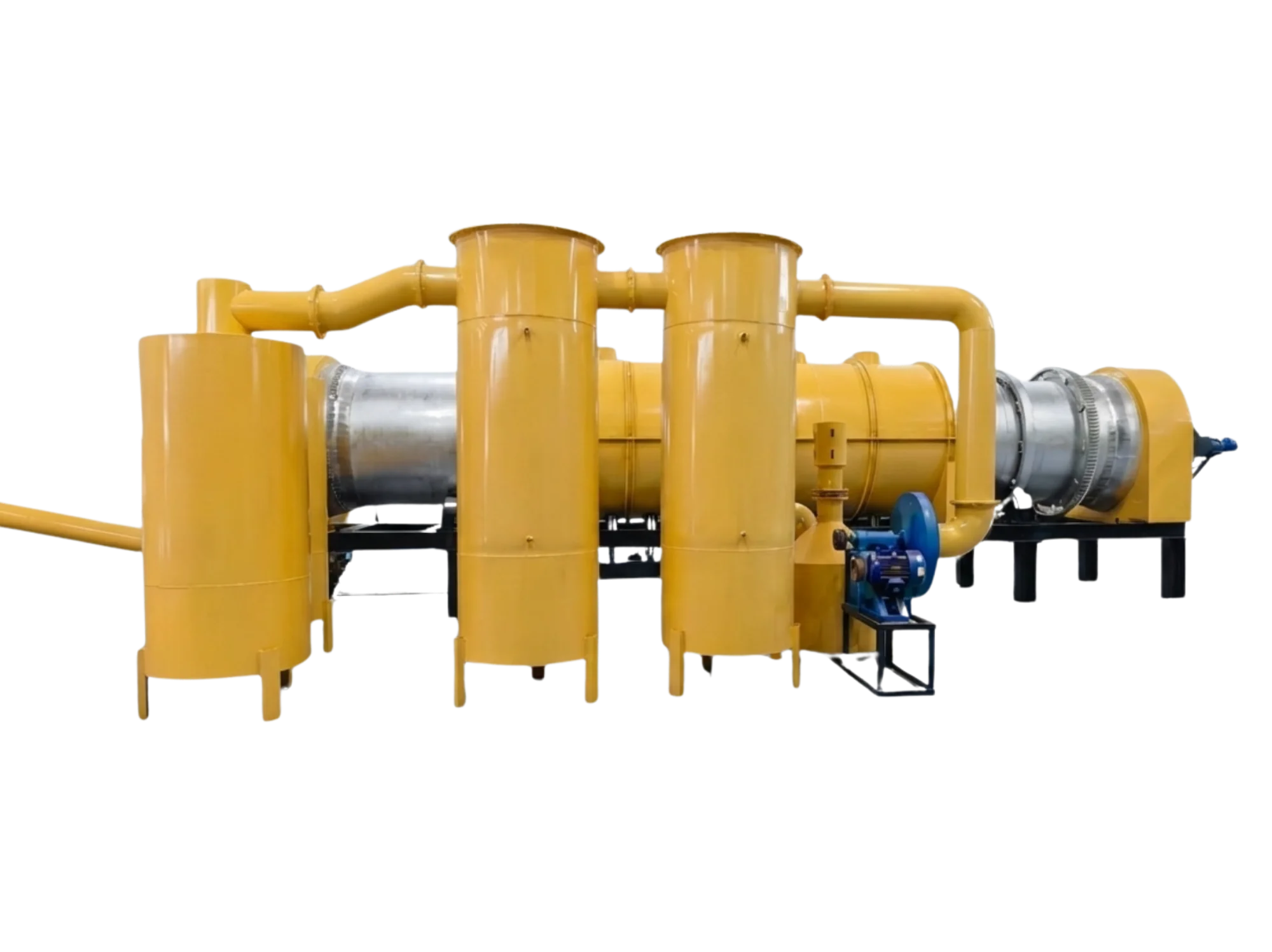
Veera Group develops biomass carbonization systems designed to convert agricultural and organic biomass into biochar and other carbon products.
Its listed biochar systems include models ranging from smaller commercial configurations to higher-capacity continuous and semi-continuous systems. For example, the BP100 C is listed at approximately 400 kg of biomass input per hour with around 100 kg/hour of biochar output, while the BP200 C is listed at approximately 800 kg/hour input and around 200 kg/hour biochar output.
The BP1600 SC is listed for approximately 3.8 tonnes of biomass per day, while the BP3100 SC is listed for up to 8 tonnes per day, depending on operating conditions and feedstock.
This range gives buyers an opportunity to consider Biochar Production Technology according to their actual feedstock availability and production requirements rather than selecting a single standard machine.
What Biomass Can Be Used?
The suitability of a feedstock depends on its characteristics and the selected Biochar Production Technology.
Potential materials include:
Coconut shells
Sawdust
Wood chips
Agricultural residues
Bamboo
Rice husk
Other suitable organic biomass
Veera Group’s published machine information specifically mentions materials such as sawdust, coconut shells, wood chips and agricultural residues across its systems.
Before purchasing equipment, it is sensible to provide the manufacturer with information about your actual biomass rather than assuming that every material will behave identically.
How to Choose the Right Technology for Your Project
The best Biochar Production Technology is the one that fits your operating reality.
Start with these questions:
How much biomass can I source every day?
What is its moisture level?
What type of biochar do I want to produce?
How many hours will the plant operate?
Do I need continuous production?
What space and utilities are available at my site?
The answers can help determine the appropriate machine capacity and configuration.
If you’re moving from research into an actual commercial project, reviewing the Biochar Production Equipment options alongside your feedstock and production requirements can make the equipment-selection process more practical.
Why Modern Technology Is Different From Traditional Carbonization
Traditional biomass carbonization methods can involve significant manual handling and less precise control over operating conditions.
Modern Biochar Production Technology focuses on improving process control, feeding, thermal management, gas handling and product collection.
That doesn’t mean every project needs the most complicated system available. The technology should be selected according to the scale and economics of the operation.
For a commercial buyer, reliability and suitability are more important than simply choosing the most advanced-looking machine.
Questions to Ask Before Buying
Before choosing a supplier, ask:
What biomass can the system process?
What moisture level is recommended?
What is the actual biomass input capacity?
What is the expected biochar output?
Is the system batch, semi-continuous or continuous?
How is the carbonization temperature controlled?
How are process gases handled?
What heating options are available?
What equipment is included?
What installation support is provided?
Is operator training available?
What maintenance and spare-parts support is available?
These questions help you compare Biochar Production Technology based on the complete project rather than just the machine name or advertised capacity.
Final Thoughts
Choosing Biochar Production Technology should begin with the biomass you actually have and the production target you actually need.
A successful project requires more than a carbonization reactor. Feedstock preparation, controlled heating, gas management, cooling, discharge and day-to-day operation all need to work together.
For businesses ready to move from biomass waste toward commercial biochar production, the right Biochar Production Technology can make the difference between simply owning a machine and building a practical production operation.
If you’re evaluating systems for your project, you can review the Biochar Production Equipment options and discuss your feedstock, capacity and operating requirements before selecting a configuration.
For equipment selection, carbonization systems and waste-to-value projects, Veera Group provides biomass-processing and carbonization solutions for industrial applications.
Find the Right Machine for Your Business
Tell us about your requirement. Our team will contact you.




 Waste Oil to Diesel Machine
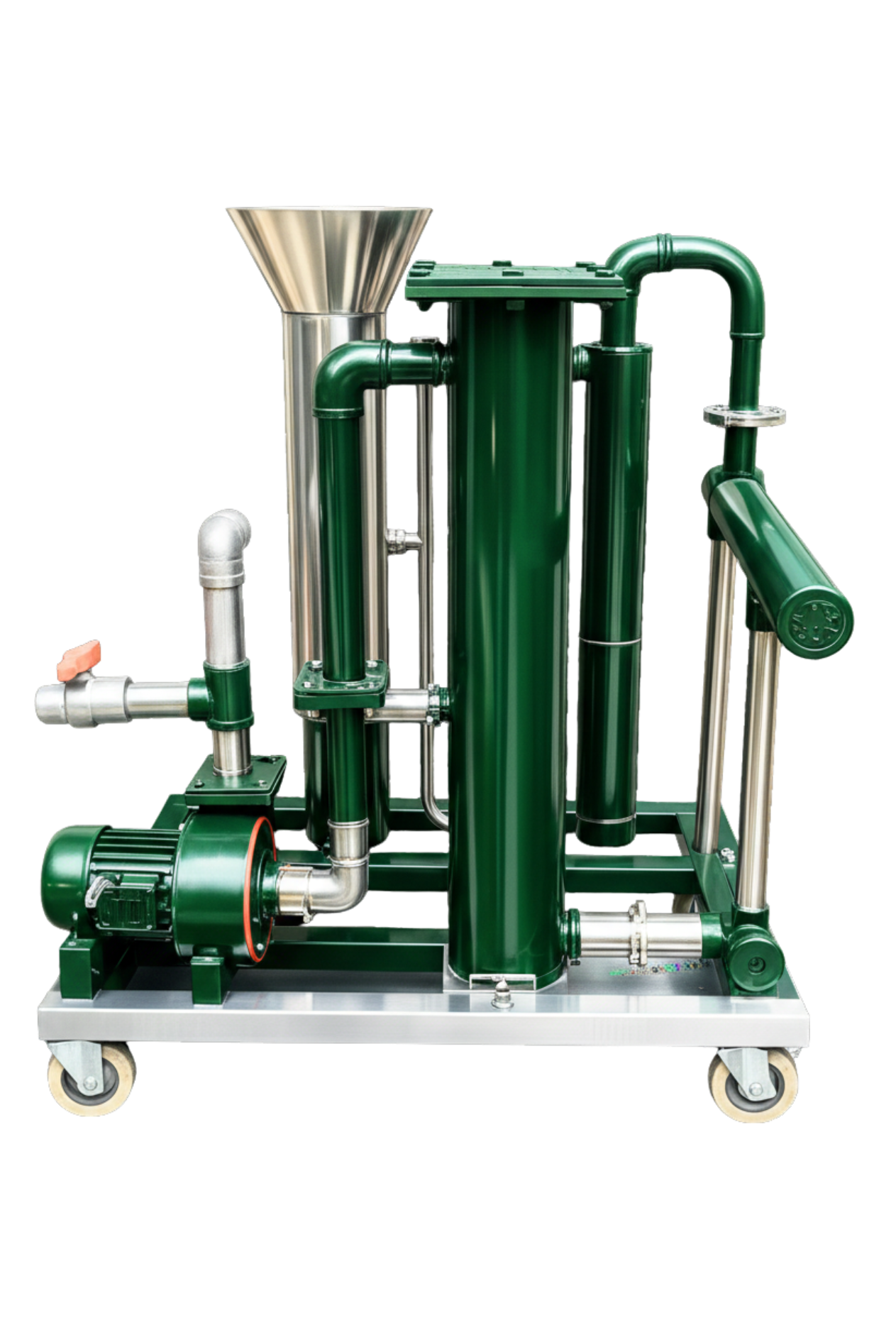 Biomass Gasifier