
Introduction
Ready to own your fuel future?
If you’re in Europe and considering low-carbon options, the idea of using a Biodiesel Kit can be a real game-changer. Whether you’re a farmer in Germany, a fleet manager in Spain, or an eco-conscious beyond hobbyist in the Netherlands, an Easy Biodiesel Kit empowers you to convert waste oils into usable fuel—right where you are.
Operating with a Biodiesel Kit is not just a DIY project—it’s a practical move toward achieving Europe’s climate neutrality, fuel independence, and sustainability goals.
What is a Biodiesel Kit?
Understanding the Concept
A Biodiesel Kit is a set of modular equipment that allows you to make biodiesel from oils or fats — such as vegetable oils, used cooking oil (UCO), or animal fats.
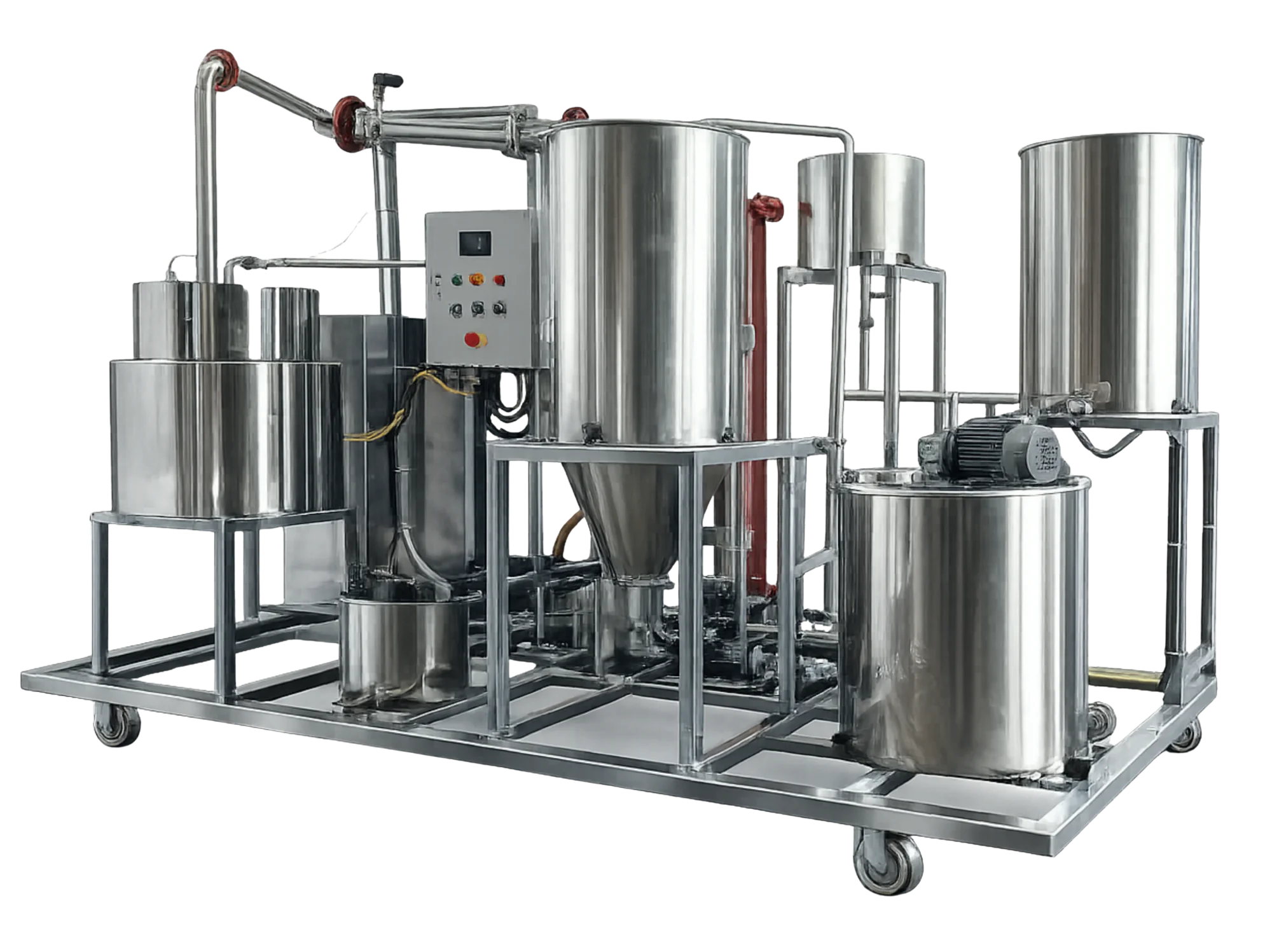
Typically, the kit includes:
-
A reactor or processor
-
Heating and filtration units
-
Monitoring devices
-
Storage tanks
The end product is a renewable diesel substitute compatible with standard diesel engines or blends (like B20 or B100).
Why a Biodiesel Kit is Important in Europe
In Europe, the use of a Biodiesel Kit aligns perfectly with major environmental and market trends:
-
Rapid growth of the EU biodiesel market driven by renewable energy policies
-
Strong sustainability goals focused on carbon reduction and waste recycling
-
Rising diesel prices and supply chain disruptions
-
Increased demand for self-sufficient fuel systems on farms and in logistics sectors
Key Features to Look for in a Biodiesel Kit
When selecting your Biodiesel Kit, focus on:
1. Scale & Capacity
Does it meet your daily production needs (liters per day)?
2. Feedstock Flexibility
Can it handle used cooking oil, vegetable oils, or animal fats?
3. Compliance
Does it meet European fuel standards (EN 14214)?
4. Safety & Durability
Quality of reactors, filtration systems, and materials used.
5. Automation & Support
Reliable customer support and smart automation features are vital for consistent output.
Why Europe Is Ripe for Biodiesel Kit Adoption
Regulatory Context and Market Growth
Europe is one of the fastest-growing biodiesel markets in the world.
According to market research, the EU biodiesel market is projected to reach USD 32.2 billion by 2033, growing at a CAGR of 5.7%.
This reflects Europe’s commitment to low-carbon transport and renewable energy expansion.
Economic and Environmental Incentives
A Biodiesel Kit provides several economic and ecological benefits:
-
Convert waste oils from restaurants or farms into renewable fuel
-
Reduce dependency on imported fossil diesel
-
Improve green brand reputation (important for EU grants and certifications)
-
Participate in the circular economy by turning waste into energy
Feedstock Trends and Real-World Usage
Europe is shifting towards used cooking oil (UCO) and waste-based feedstocks for biodiesel production.
If you operate a Biodiesel Kit, ensure it can process variable-quality feedstocks — a vital factor for sustainable operations.
How a Biodiesel Kit Works – Step by Step
Step 1: Collecting Feedstock
Gather raw materials — vegetable oil, UCO, or animal fat — from local sources such as restaurants, food processors, or farms.
Filter and dewater the oil before use.
Step 2: Pre-Treatment and Filtration
Remove impurities, sediments, and moisture to ensure smooth conversion and prevent contamination.
Step 3: Conversion (Transesterification Process)
Inside your Biodiesel Kit, the oil undergoes a chemical reaction (transesterification) using catalysts, heat, and agitation to convert fats into biodiesel and glycerin.
Step 4: Washing and Drying
Clean the biodiesel to remove residual catalysts, soaps, and glycerin. Dry it completely before testing.
Step 5: Filtration, Testing & Storage
Filter the biodiesel again and test it for compliance with EN 14214 standards (viscosity, cetane number, moisture level).
Store it properly in cool, dry containers.
Step 6: Use and Monitoring
Blend and use your biodiesel (B20, B30, or B100) while monitoring engine performance, fuel stability, and emissions.
Top Benefits of Using a Biodiesel Kit in Europe
1. Cost Savings & Energy Independence
Reduce long-term fuel expenses and gain control over supply, independent of global oil price fluctuations.
2. Environmental Benefits
Lower greenhouse gas emissions, reduce waste oil pollution, and support Europe’s carbon-neutral goals.
3. Feedstock Flexibility
Use multiple feedstocks based on local availability—ideal for Europe’s diverse agricultural sectors.
4. Compliance & Reputation
Proving sustainable practices strengthens your brand image and qualifies you for green grants and tax incentives.
5. Future-Proof Operations
Meet future EU renewable energy directives (RED II and beyond) ahead of regulation.
Challenges and Considerations for Biodiesel Kits in Europe
Challenge 1: Regulatory Complexity
Ensure your production meets EU standards (EN 14214), waste oil collection rules, and tax compliance.
Challenge 2: Capital Investment
Initial setup costs can be high—plan funding and scalability carefully.
Challenge 3: Feedstock Quality
Poor-quality feedstock affects conversion efficiency and fuel purity.
Challenge 4: Quality Testing & Compatibility
Continuous testing and documentation are needed to ensure vehicle compatibility.
Challenge 5: Market Volatility
Keep adaptable strategies as alternative fuels like HVO (Hydrotreated Vegetable Oil) enter the market.
Expert Tips for Operating a Biodiesel Kit in Europe
Tip 1: Choose the Right Kit Size
Analyze your feedstock availability and fuel demand. Go for a modular, expandable Biodiesel Kit.
Tip 2: Maintain Feedstock Traceability
Record sources of your feedstock for sustainability verification and regulatory audits.
Tip 3: Ensure Fuel Quality
Test biodiesel output for compliance with EN 14214 before use.
Tip 4: Seek Technical Support
Choose suppliers offering training, documentation, and spare parts.
Tip 5: Proper Storage
Keep biodiesel in cool, dark places to avoid oxidation and contamination.
Tip 6: Integrate into Business Operations
Plan how your Biodiesel Kit fits within your energy procurement and fleet management systems.
Tip 7: Monitor Incentives
Stay updated on EU renewable energy grants and national incentive programs.
Case Studies: European Leaders in Biodiesel Kit Adoption
Germany – Market Leader
Germany leads Europe with large-scale biodiesel facilities and robust waste-oil collection systems.
👉 Partner with certified local suppliers for best results.
Netherlands & Belgium – Strategic Trade Hubs
These countries have advanced biodiesel infrastructure—ideal for feedstock collection and export operations.
Southern Europe – Rising Players
Spain, Portugal, and Italy are rapidly scaling biodiesel projects using used cooking oil and agricultural waste.
Why Now Is the Perfect Time to Invest in a Biodiesel Kit
1. Strong Policy Support
EU governments are pushing renewable energy adoption under RED II and Fit for 55 policies.
2. Economic Logic
Rising diesel costs make biodiesel production more financially viable.
3. Technological Readiness
Modern Biodiesel Kits are now automated, modular, and easier to operate.
4. Sustainability Advantage
Owning a Biodiesel Kit boosts your sustainability score, brand credibility, and regulatory alignment.
Frequently Asked Questions (FAQs)
Q1: Can I process all kinds of waste oils with a Biodiesel Kit?
Yes—but ensure your kit supports different feedstocks like UCO or animal fat and includes pre-treatment.
Q2: Can I use biodiesel in all diesel engines?
You can blend (B20, B30) or use pure biodiesel (B100) if your engine supports it.
Q3: Does a Biodiesel Kit ensure EU standard compliance?
Yes, if you test and maintain output quality according to EN 14214.
Q4: Are there grants for Biodiesel Kits in Europe?
Yes—many EU nations offer tax credits, subsidies, and funding for renewable fuel initiatives.
Q5: What is the typical ROI for a Biodiesel Kit?
ROI typically ranges from 2–5 years, depending on feedstock cost and production scale.
Conclusion – Powering a Cleaner, Greener Europe
Owning a Biodiesel Kit is more than just a cost-saving choice—it’s a commitment to sustainability, innovation, and self-sufficiency.
You’re not just producing fuel; you’re contributing to Europe’s low-carbon future.
By investing wisely, maintaining compliance, and integrating biofuel production into your operations, your Biodiesel Kit can fuel a cleaner, greener, and more energy-independent Europe.

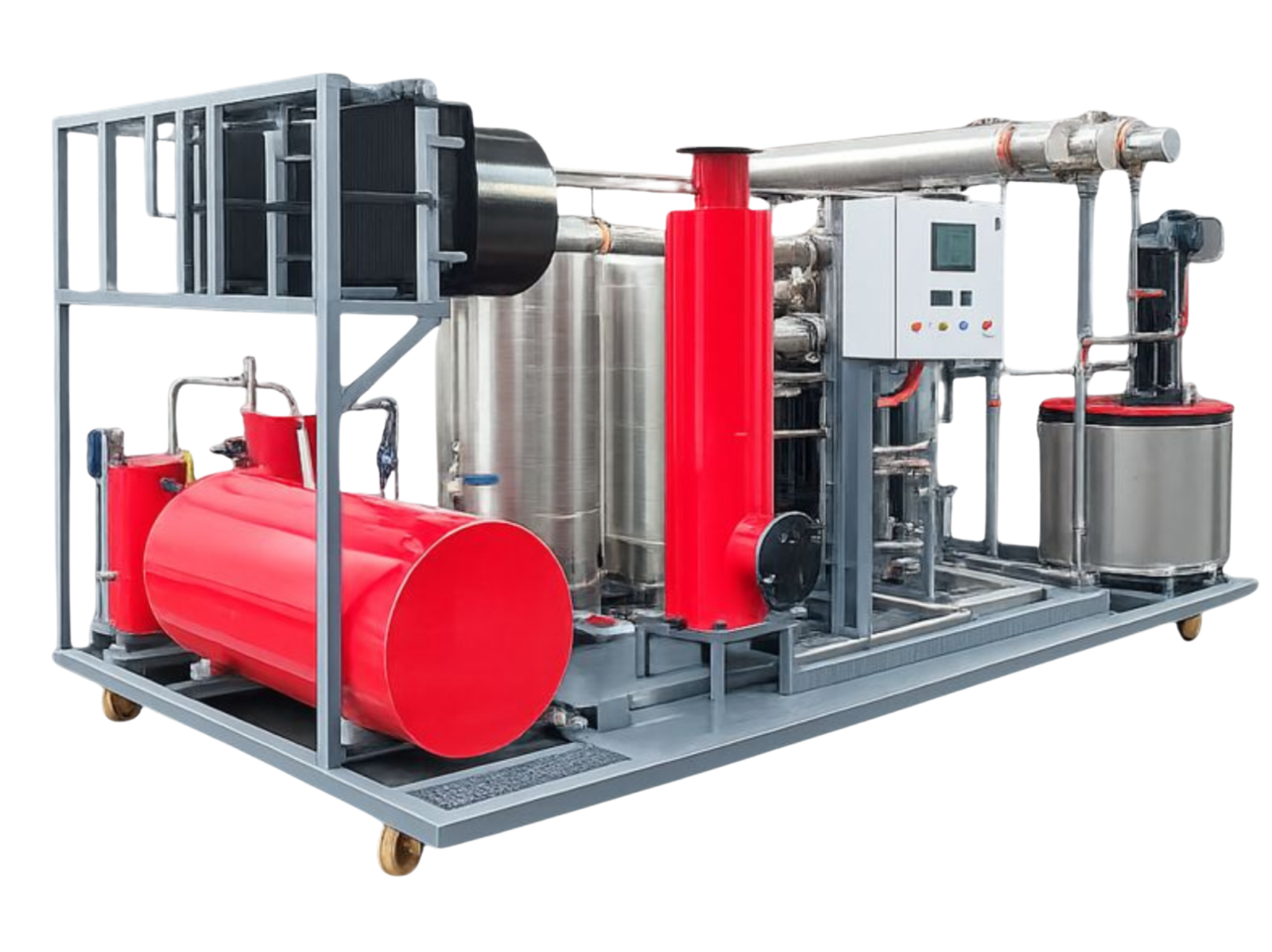 Waste Oil to Diesel Machine
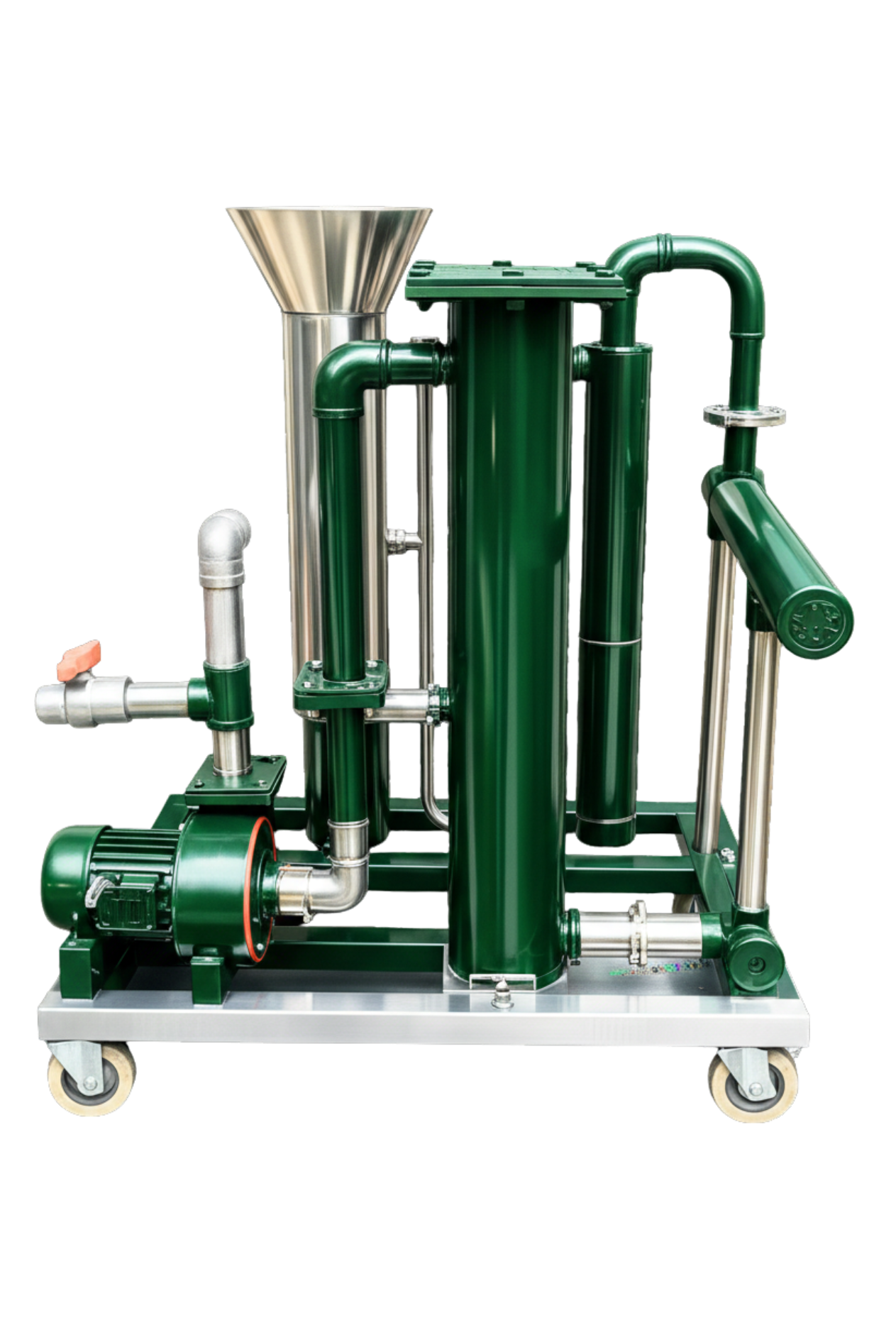 Biomass Gasifier