
Biomass Gasifier for Sale

As industries look for practical ways to use agricultural residues and other biomass resources, gasification has become an attractive option for generating useful energy from materials that might otherwise be discarded or underutilized.
A biomass gasifier for sale can help businesses convert prepared biomass into combustible producer gas through controlled thermochemical conversion. The gas can then be used for applications such as industrial heating and power generation, depending on the system configuration.
However, choosing the right gasifier is not simply about purchasing a machine. Feedstock availability, moisture, particle size, required output, operating conditions, site requirements and the intended energy application all need to be considered.
What Is a Biomass Gasifier?
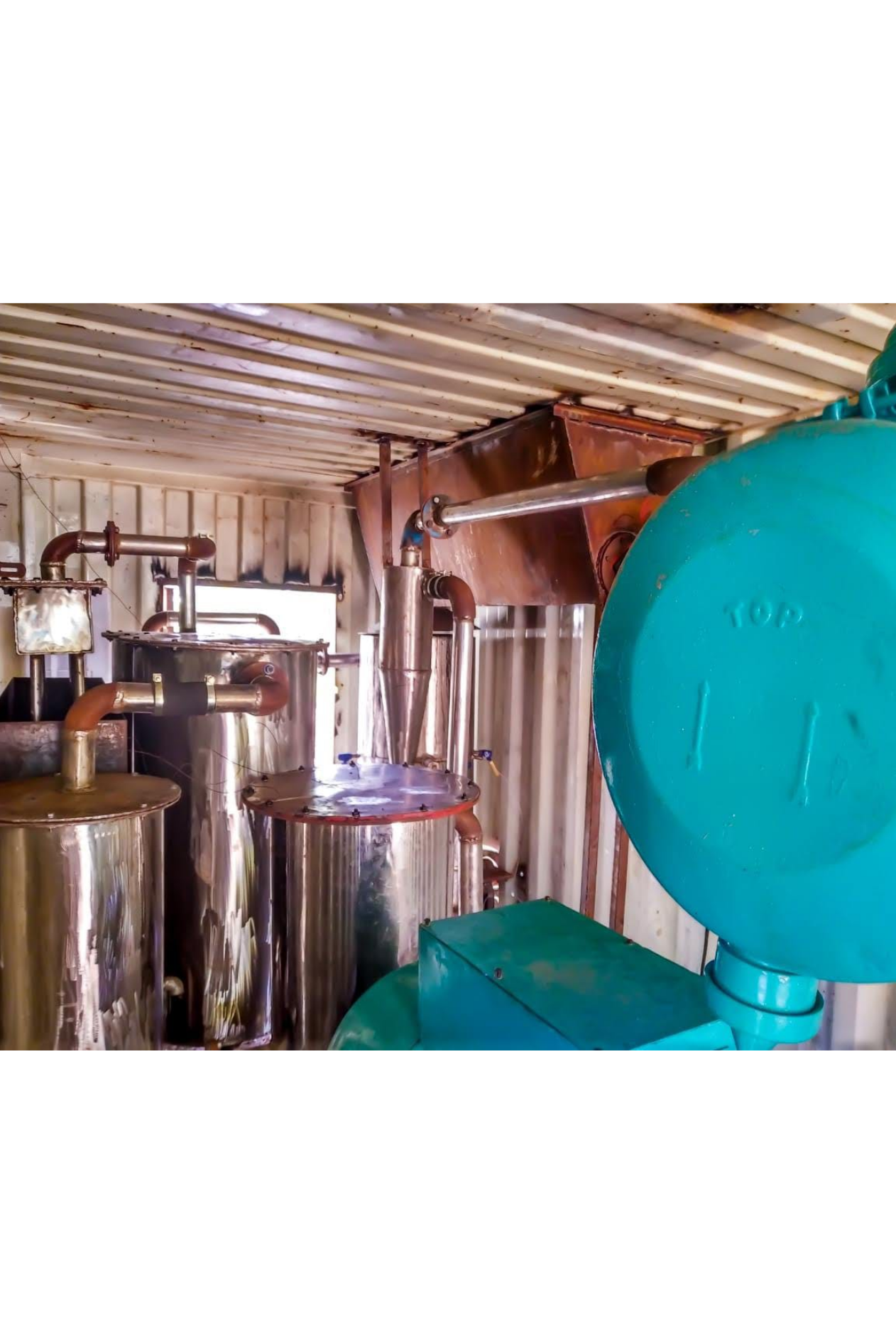
A biomass gasifier converts solid biomass into producer gas under controlled gasification conditions. Instead of completely burning the biomass, the process uses a controlled supply of air to drive a series of thermal reactions.
The resulting gas can contain combustible components such as carbon monoxide, hydrogen and methane. After cooling and cleaning, it can be directed toward suitable energy applications.
Materials that may be suitable for gasification include:
- Wood chips
- Coconut shells
- Sawdust
- Agricultural residues
- Biomass briquettes
- Other suitable organic biomass
The actual feedstock suitability depends on its characteristics and the selected gasifier configuration.

Why Consider a Biomass Gasifier?
For a business that already has access to biomass residues, gasification can provide a way to turn that material into a useful energy resource.
Instead of treating agricultural or wood residues purely as waste, a properly designed system can convert them into producer gas for applications such as:
Industrial Heating
Producer gas can be used with suitable burners, furnaces and thermal systems where the plant configuration supports it.
Power Generation
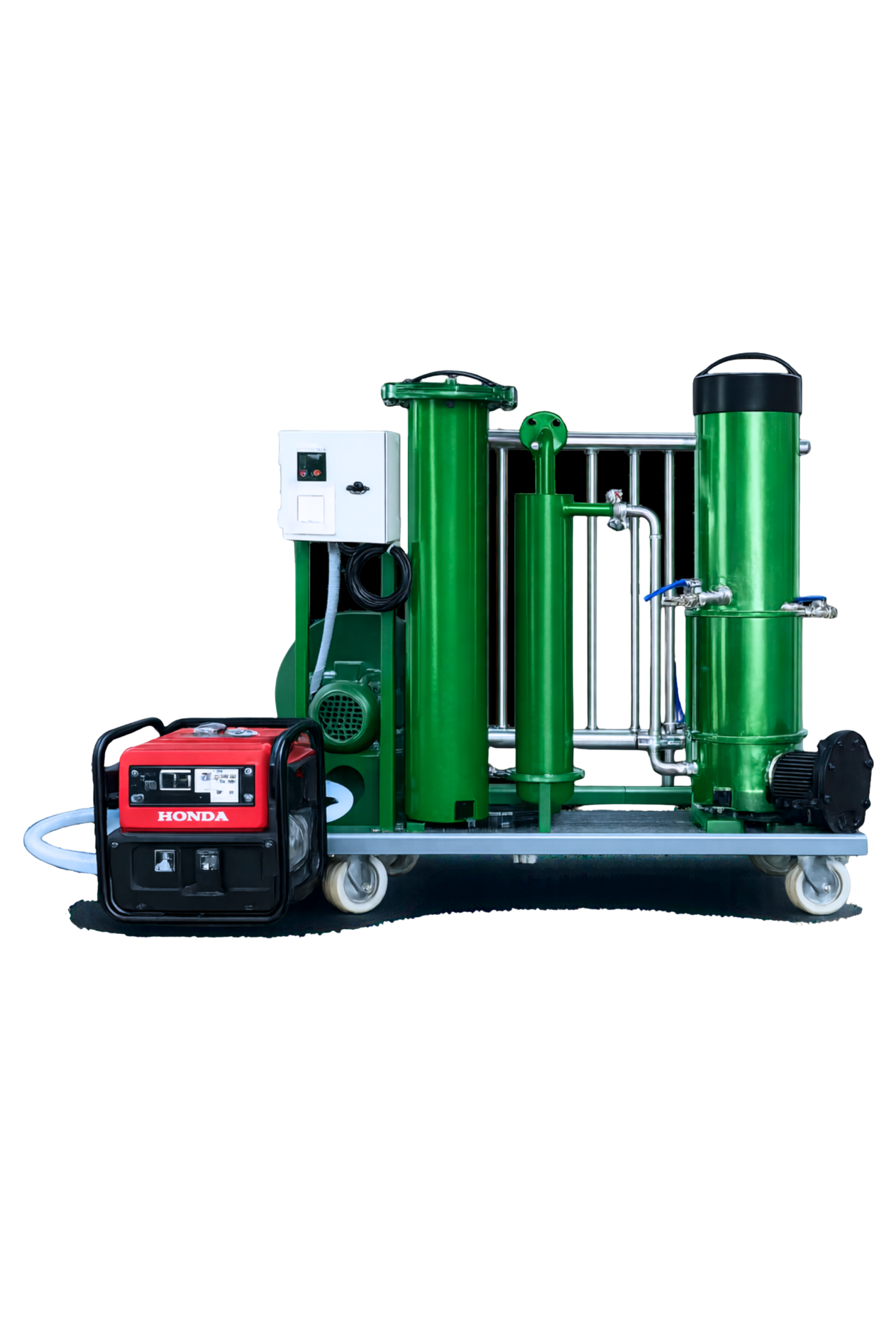
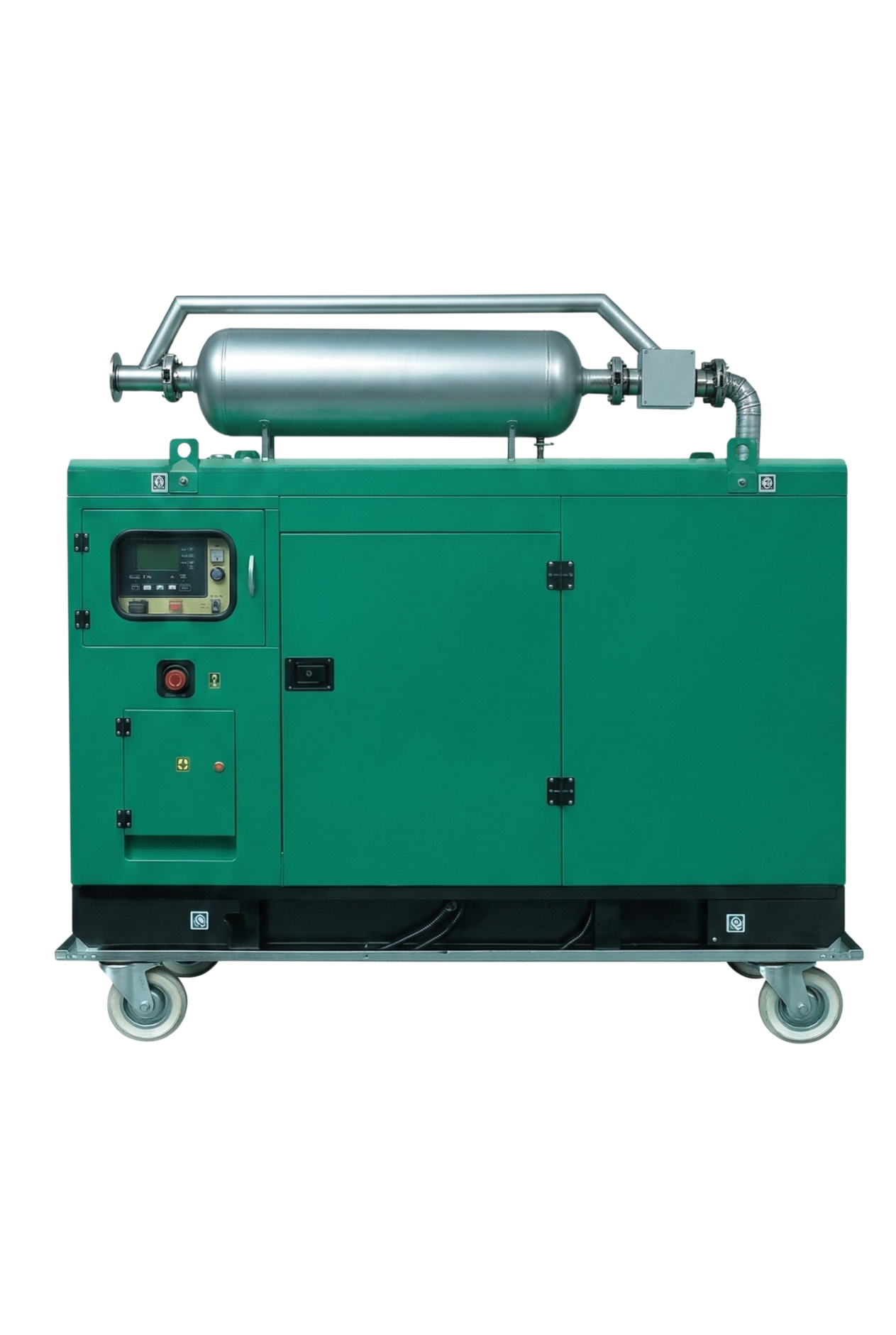
The gas can be utilized with an appropriate generator system to support electricity production.
Agro-Processing
Facilities that generate biomass residues during processing can potentially use those residues as an energy feedstock.
Decentralized Energy
Gasification can be useful for projects where biomass is locally available and energy needs to be generated closer to the source.
The economics and technical suitability depend on the available biomass, energy demand and project design.
How Does a Biodiesel Plant Work?
A typical gasification system follows several controlled stages.
1. Biomass Preparation
The feedstock is prepared to meet the required size and moisture conditions. Consistent feedstock preparation helps maintain stable operation.
2. Drying and Pyrolysis
As the biomass moves through the reactor, moisture is removed and thermal decomposition begins. Volatile components are released as the material heats up.
3. Oxidation and Reduction
A controlled amount of air supports partial oxidation and provides the heat required for the gasification reactions. The remaining material undergoes reduction reactions that contribute to producer-gas formation.
4. Gas Cooling and Cleaning
The generated gas can contain dust, tar and other impurities. Cooling and filtration systems help prepare the gas for its intended application.
5. Gas Utilization
The cleaned producer gas can then be directed toward suitable burners, boilers, furnaces or power-generation equipment depending on the project.
EXPLORE OUR RANGE OF HIGH-PERFORMANCE Biodiesel Plant
EXPLORE OUR RANGE OF HIGH-PERFORMANCE
Biodiesel Plant
BIOMASS
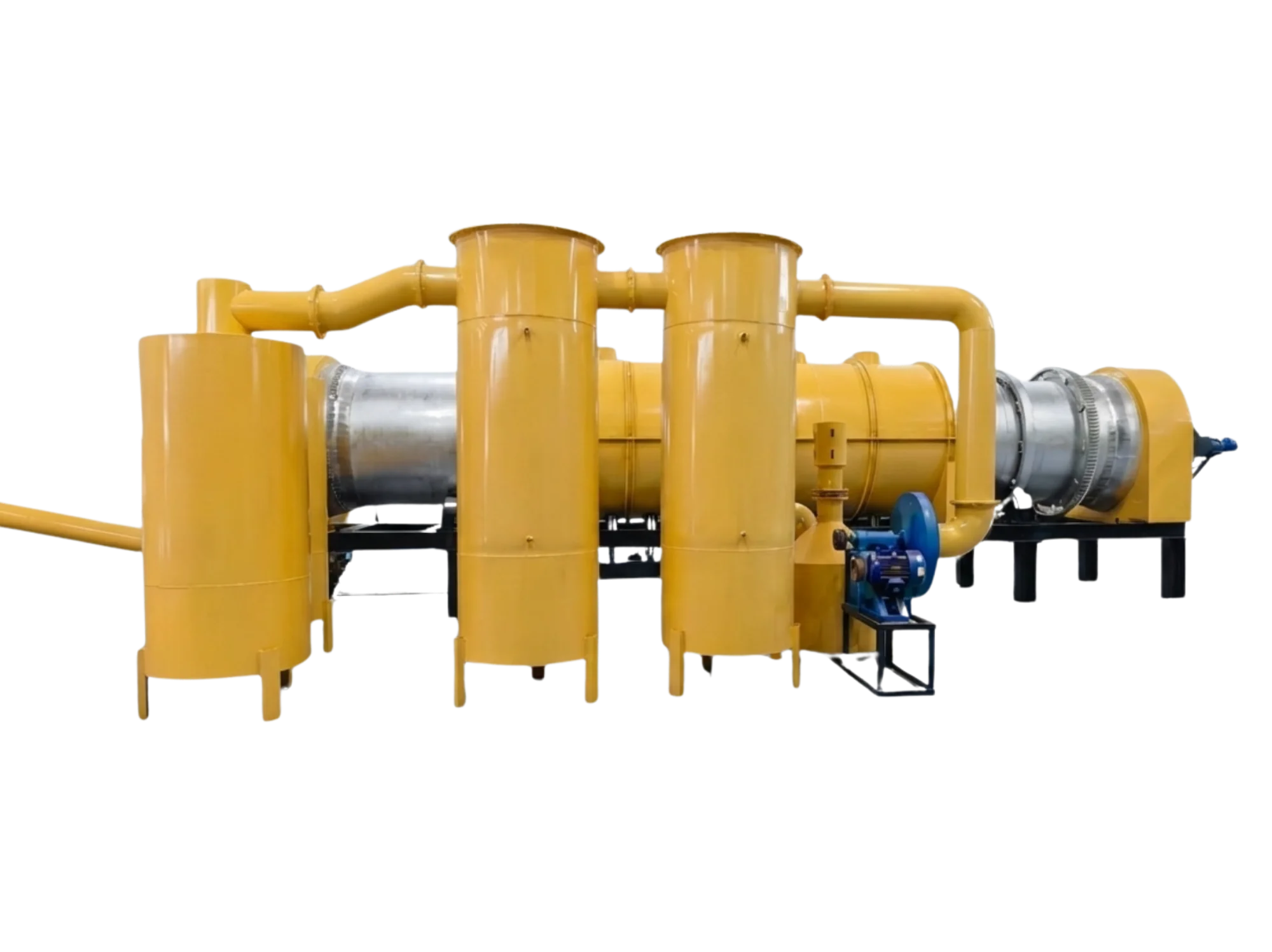
GASIFIER MACHINE
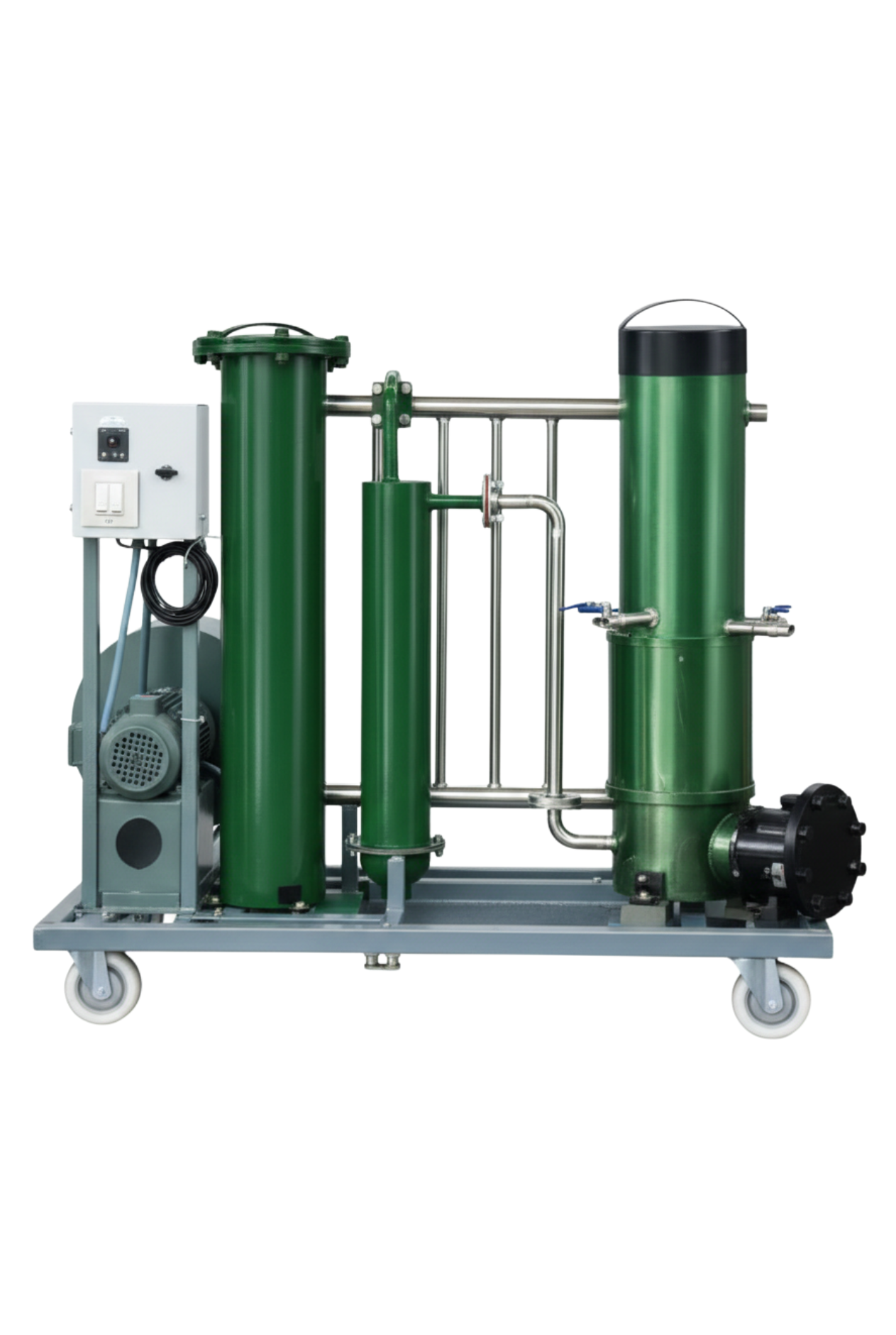
Advanced biomass gasification systems engineered for efficient conversion of biomass into clean syngas. Designed for reliable power generation and sustainable industrial energy production.
Get a Quote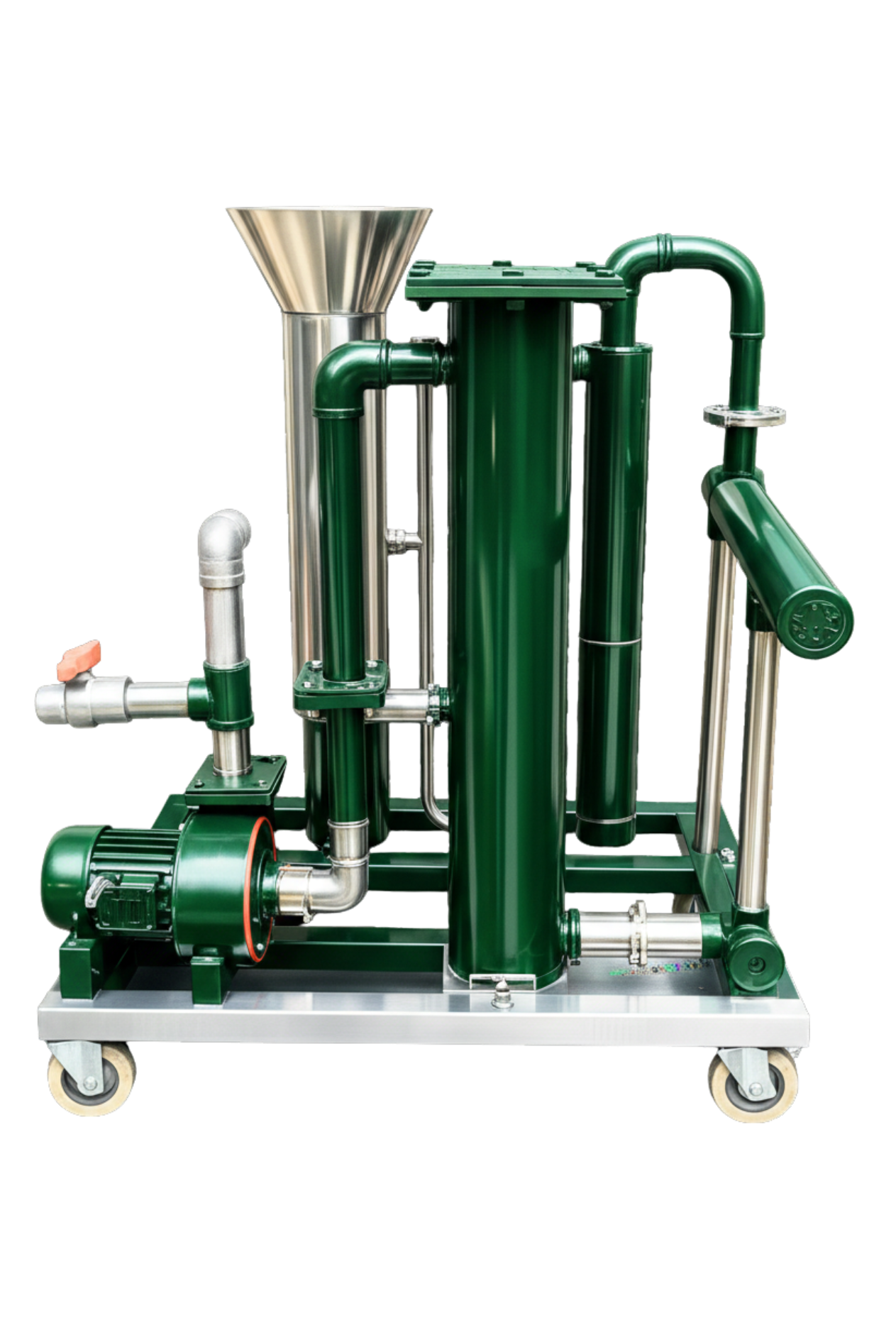
Choosing the Right Biomass Gasifier
Not every gasifier is suitable for every biomass project.
Before purchasing a biomass gasifier for sale, consider the characteristics of the material you have available.
Feedstock Moisture
High moisture can affect gasification performance because part of the available energy is consumed in removing water.
Feedstock Size
Uniform particle size can help maintain more consistent feeding and gasification conditions.
Biomass Availability
A gasifier should match the quantity of biomass that you can reliably source. A larger system does not make sense if sufficient feedstock is unavailable.
Energy Requirement
Decide whether your primary objective is thermal energy, electricity generation or another suitable application.
Operating Environment
Available space, utilities, handling systems and local site conditions should also be considered before selecting the equipment.
Biomass Gasifier for Different Industries
A biomass gasifier for sale can be considered across industries where suitable biomass residues are consistently available.
Agriculture and Agro-Processing
Rice husk, coconut residues and other agricultural by-products can provide potential biomass resources for energy projects.
Manufacturing
Manufacturing facilities with suitable biomass availability can explore producer gas for process heating or other energy requirements.
Food Processing
Food and agricultural processing operations may generate organic residues that can potentially be used as biomass fuel after appropriate preparation.
Rural Energy Projects
Where biomass resources are locally available, gasification can support decentralized energy applications.
Research and Educational Facilities
Smaller gasifier systems can also be used for research, demonstration and technology-development projects.
Biomass Gasification in Major Markets
The suitability of biomass gasification differs from one country to another because feedstock availability, industrial energy demand and local regulations vary.
India
India has extensive agricultural activity and produces a wide range of crop residues. For suitable projects, these residues can provide a locally available biomass resource for energy generation.
United States
In the United States, biomass resources can come from forestry residues, agricultural operations and other organic material streams. Industrial users can evaluate gasification where a reliable feedstock supply and suitable energy application exist.
Germany
Germany’s strong renewable-energy sector and industrial base make biomass utilization relevant for certain heat and energy applications. Project economics still depend on local feedstock and regulatory conditions.
Brazil
Brazil has significant agricultural and forestry activity, creating potential biomass resources for energy projects. Residues from agricultural processing can be evaluated as feedstock where their characteristics are suitable.
South Africa
South Africa has agricultural and industrial biomass resources that can support decentralized energy projects in suitable locations. Veera Group has also carried out technology-transfer work involving biomass gasification in African markets.
Why Veera Group?
Selecting a gasifier manufacturer is about more than the equipment itself. The feedstock, capacity and intended energy application need to be considered before finalizing the configuration.
Veera Group’s biomass gasification systems use downdraft technology and are designed around different project scales. The company provides biomass preparation guidance, gasification systems, producer-gas generation, gas cooling and cleaning, temperature control and installation support.
Veera Group also states that it operates an in-house manufacturing facility and serves customers across more than 52 countries
Is a Biomass Gasifier Right for Your Project?
A gasifier makes the most sense when you have a consistent supply of suitable biomass and a clear use for the producer gas.
The key is to start with the feedstock rather than the machine.
Understand how much biomass you have, its characteristics, how regularly it is available and how much energy your facility requires. From there, the appropriate gasifier capacity and configuration can be evaluated.
If you are currently comparing a biomass gasifier for sale, Veera Group can help assess the available feedstock and project requirements before recommending a suitable system.
Move From Biomass Waste to Useful Energy
The value of biomass gasification begins with using a resource that is already available. For businesses with a dependable supply of suitable biomass, converting residues into producer gas can create another pathway for meeting thermal or power requirements.
The right biomass gasifier for sale should therefore be selected around the complete project—not simply the machine size or purchase price.
If you have biomass available and are planning a gasification project, Veera Group can discuss your feedstock, energy requirements and suitable gasifier configuration.
FAQs
What biomass can be used in a gasifier?
Suitable materials can include wood chips, coconut shells, sawdust, agricultural residues and biomass briquettes, depending on their moisture, size and other characteristics.
What gas does a biomass gasifier produce?
Gasification produces producer gas containing combustible components such as carbon monoxide, hydrogen and methane. The exact composition depends on the feedstock and operating conditions.
Can a biomass gasifier generate electricity?
Yes, producer gas can be used for power generation when the gasifier is integrated with an appropriate generator and supporting system.
Can biomass gasification be used for industrial heating?
Yes. Producer gas can be directed toward suitable burners, boilers, furnaces and other thermal applications depending on the system design.
How do I select the right gasifier capacity?
Start with your available biomass quantity, feedstock characteristics and energy requirement. The gasifier capacity should be matched to the amount of biomass you can consistently supply.
BOOK A FREE CALL
Markeshwaran M│ Co-Founder & Technical SEO Lead │ Beyond Digital Marketing Agency
Markeshwaran specializes in industrial SEO, technical SEO, and B2B website optimization for manufacturing, renewable energy, and industrial businesses.
https://www.linkedin.com/in/markeshwaran-m-448777284/

 Waste Oil to Diesel Machine