
How Is Biochar Made From Biomass? The answer starts with a controlled thermal process called carbonization, where suitable biomass is heated under oxygen-limited conditions to remove volatile components and produce a carbon-rich solid material called biochar.
Biomass such as sawdust, coconut shells, wood bark, leaves, grass and other suitable agricultural or organic residues can be processed through carbonization systems. The exact biochar output depends on the type of biomass, its moisture content, particle size, operating conditions and the design of the carbonization equipment.
Understanding how biochar is made from biomass is important before choosing a production system. The process is not simply about heating waste. A properly designed system controls the conditions under which biomass is transformed into a stable carbonized material.
For businesses, farmers, biomass processors and industrial users, knowing How Is Biochar Made From Biomass? also helps determine what type of machine, production method and feedstock preparation are appropriate for a project.

WHAT HAPPENS TO BIOMASS DURING BIOCHAR PRODUCTION?
When suitable biomass enters a carbonization system, heat causes the material to undergo thermal decomposition. Because the process operates with limited oxygen, the biomass does not simply burn like it would in an open fire.
Instead, the biomass gradually loses moisture and volatile compounds while a carbon-rich solid remains.
This is the basic reason How Is Biochar Made From Biomass? is different from ordinary biomass combustion.
A simplified production pathway is:
BIOMASS → DRYING → HEATING → CARBONIZATION → BIOCHAR
The resulting material can then be cooled, handled and prepared for its intended application.
WHERE DOES THE BIOMASS USED TO MAKE BIOCHAR COME FROM?
To understand How Is Biochar Made From Biomass?, it is important to first understand the raw material entering the process.
Biomass suitable for carbonization can come from several sources, including:
- Sawdust from wood-processing operations
- Coconut shells and other agricultural residues
- Wood bark
- Leaves
- Grass
- Other suitable biomass residues
The feedstock should be evaluated before production because different biomass materials behave differently during heating.
For example, particle size, moisture level, density and composition can influence how efficiently heat moves through the material and how consistently carbonization occurs.
Veera Group’s biochar carbonization equipment is designed for suitable biomass feedstocks including sawdust, coconut shell, wood bark, leaves and grass.
WHY FEEDSTOCK PREPARATION MATTERS
One of the most important parts of How Is Biochar Made From Biomass? happens before the biomass even enters the machine.
If the feedstock contains excessive moisture or inconsistent particle sizes, the carbonization process can become less predictable. Preparing the material helps create more consistent operating conditions.
Depending on the feedstock, preparation may involve:
SORTING → SIZE REDUCTION → MOISTURE CONTROL → FEEDING
The right preparation method depends on the characteristics of the biomass and the carbonization system being used.
HOW DOES THE CARBONIZATION PROCESS WORK?
So, How Is Biochar Made From Biomass? Inside a carbonization machine, the prepared biomass is exposed to controlled heat in an oxygen-limited environment.
The process can generally be understood through several stages.
1. BIOMASS LOADING
Prepared biomass is loaded into the carbonization chamber or reactor.
2. HEATING
Heat is applied to raise the temperature of the biomass. Depending on the machine configuration, heating can be supplied through different methods.
3. THERMAL DECOMPOSITION
As the temperature increases, moisture and volatile components are released from the biomass.
4. CARBONIZATION
The remaining solid material becomes progressively richer in carbon as the volatile components are removed.
5. GAS MANAGEMENT
During carbonization, gases are generated. Veera’s batch systems are designed so recovered carbonization gas can be reused for self-heating, reducing the need for continuous external heating after suitable operating conditions are established.
6. COOLING AND COLLECTION
After carbonization, the produced carbonized material is cooled and collected for further handling or application.
This controlled sequence explains How Is Biochar Made From Biomass? far better than simply describing biochar as “burned biomass.” Biochar production is a controlled thermal conversion process rather than uncontrolled combustion.
WHAT IS THE DIFFERENCE BETWEEN COMBUSTION AND CARBONIZATION?
A common question when learning How Is Biochar Made From Biomass? is whether biochar is simply produced by burning biomass.
It is not.
In combustion, biomass reacts with oxygen and is primarily converted into heat, gases and ash.
In carbonization, biomass is heated under oxygen-limited conditions so that a significant portion of the solid carbon structure remains as a carbonized product.
The objective is therefore different:
COMBUSTION: Biomass → Heat + gases + ash
CARBONIZATION: Biomass → Carbon-rich solid + released gases/volatiles
This distinction is central to understanding How Is Biochar Made From Biomass? and why specialized carbonization equipment is used instead of ordinary furnaces.
BATCH AND CONTINUOUS BIOCHAR PRODUCTION
Another important part of How Is Biochar Made From Biomass? is understanding that biochar can be produced using different machine configurations.
BATCH CARBONIZATION
In a batch system, biomass is loaded into the chamber, processed for a defined operating period and then removed after the carbonization cycle.
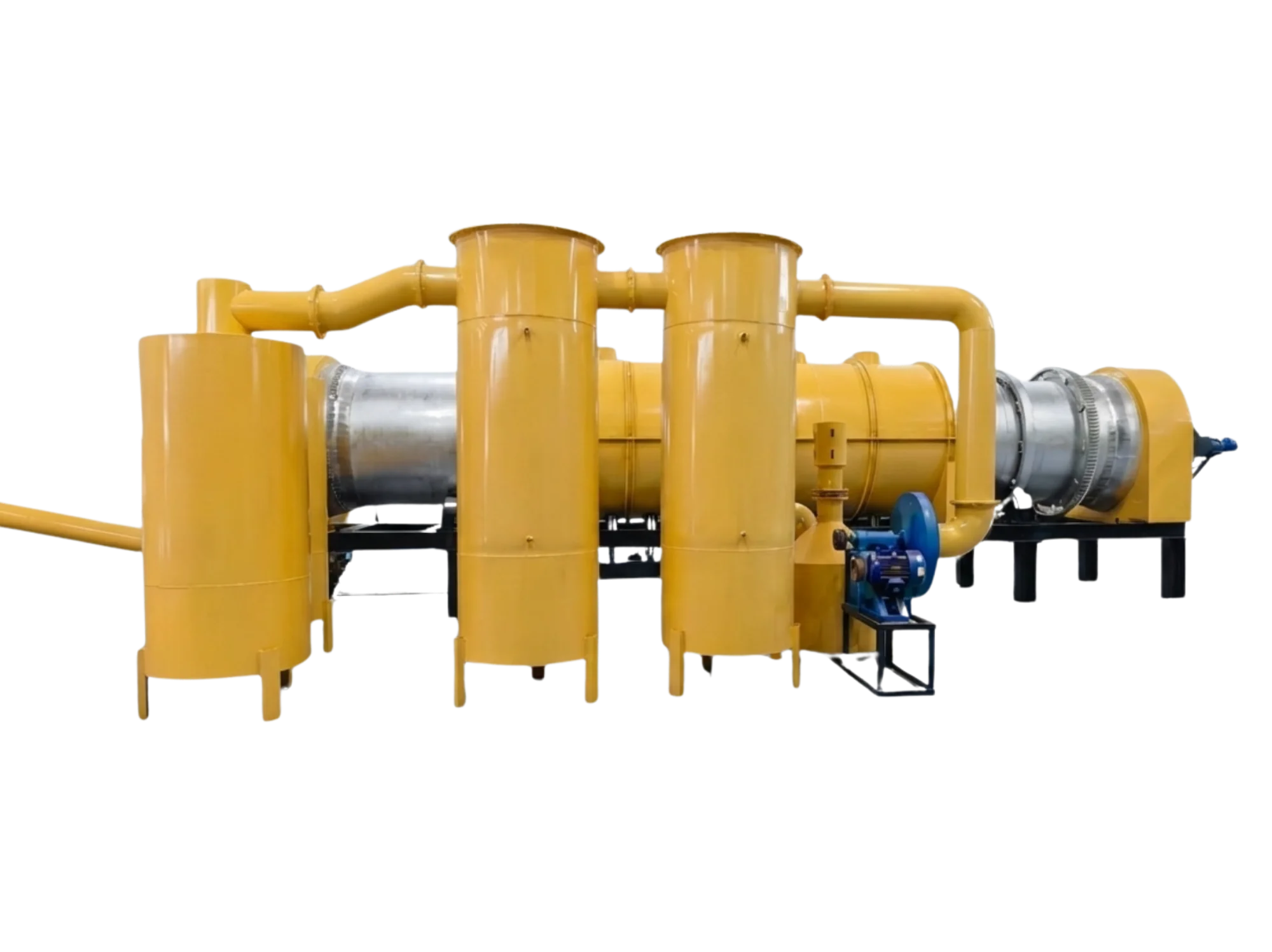
Veera’s BP 200 SC Mini is a batch horizontal dry carbonization machine with approximately 600 kg/day raw input and approximately 200 kg/day char/biochar output, depending on operating conditions.
Larger batch models include the BP 1600 SC and BP 3100 SC, with stated raw input capacities of approximately 3–8 tonnes/day and up to 8 tonnes/day respectively.
CONTINUOUS CARBONIZATION
Continuous systems are designed for ongoing biomass feeding rather than separate individual batches.
Veera’s BP 100 C is specified for approximately 400 kg/hour biomass input, while the BP 200 C is specified for approximately 800 kg/hour. Both are continuous horizontal dry carbonization systems.
The appropriate production method depends on the project’s feedstock availability, required output, operating schedule and beyond production scale.
HOW MUCH BIOCHAR CAN BIOMASS PRODUCE?
The answer to How Is Biochar Made From Biomass? also involves understanding that biomass input does not translate directly into an identical quantity of biochar.
During carbonization, moisture and volatile components leave the biomass. Therefore, the mass of the final carbonized product is lower than the original wet feedstock input.
The actual output depends on:
- Biomass type
- Moisture content
- Feedstock composition
- Particle size
- Carbonization conditions
- Machine configuration
- Operating cycle
For example, Veera’s BP 200 SC Mini lists approximately 600 kg/day raw input and approximately 200 kg/day char/biochar output. Larger models provide higher production capacities.
This is why production capacity should always be evaluated using the actual feedstock and operating conditions, rather than relying on a general biomass-to-biochar percentage.
WHAT CAN BIOCHAR MADE FROM BIOMASS BE USED FOR?
Understanding How Is Biochar Made From Biomass? becomes more useful when the final product’s applications are considered.
Biochar and other carbonized biomass products can have different uses depending on their properties and the processing conditions.
Potential applications include:
- Agriculture and soil-related applications
- Charcoal for BBQ use
- Industrial charcoal
- Feedstock for activated carbon production
- Other applications where suitable carbonized biomass is required
Veera’s catalog specifically lists agriculture/soil, BBQ charcoal, industrial charcoal and activated-carbon raw material among applications for its carbonization systems.
The intended application should be considered before selecting the process because the desired characteristics of the final material can influence production requirements.
HOW DOES A BIOCHAR MACHINE HELP CONTROL THE PROCESS?
When learning How Is Biochar Made From Biomass?, the role of the machine becomes clear.
A dedicated carbonization machine provides a controlled environment where biomass can be heated and converted into carbonized material under defined operating conditions.
A suitable system can help manage:
- Biomass loading
- Heating
- Carbonization
- Gas handling
- Operating temperature
- Production cycle
- Char collection
For larger projects, the difference between batch and continuous operation becomes especially important.
This is where equipment selection connects directly with production requirements. A buyer should not select a machine only because its advertised capacity looks attractive. The machine needs to be matched with the actual biomass available and the desired production schedule.
WHAT SHOULD YOU CHECK BEFORE BUYING BIOCHAR EQUIPMENT?
Before moving from understanding How Is Biochar Made From Biomass? to purchasing equipment, several practical questions should be answered.
WHAT BIOMASS WILL YOU PROCESS?
Identify the exact feedstock rather than simply describing it as “biomass.”
HOW MUCH BIOMASS IS AVAILABLE?
Estimate daily or hourly feedstock availability based on realistic operating conditions.
WHAT IS THE MOISTURE CONTENT?
Moisture affects heating requirements and process performance. Veera’s continuous BP 100 C and BP 200 C specifications list biomass moisture up to 30%.
HOW MUCH BIOCHAR DO YOU NEED?
Determine your required production volume before selecting between smaller batch systems and larger continuous equipment.
WHAT WILL YOU DO WITH THE FINAL PRODUCT?
The intended application can influence the production requirements and product specifications.
WILL YOU OPERATE BATCH OR CONTINUOUSLY?
This depends on production scale, labor, feedstock supply and operating requirements.
These questions make the transition from How Is Biochar Made From Biomass? to equipment selection much more practical.
FROM BIOMASS TO BIOCHAR WITH VEERA GROUP

For businesses researching How Is Biochar Made From Biomass?, the next step is understanding what type of carbonization system matches their feedstock and production requirement.
Veera Group manufactures and exports biomass-to-biochar carbonization machines designed for suitable biomass feedstocks such as sawdust, coconut shells, wood bark, leaves and grass.
The equipment range includes both batch and continuous carbonization systems, allowing projects to be evaluated according to their required processing scale.
If you are moving from understanding How Is Biochar Made From Biomass? to planning an actual production facility, review the available Biochar Machine for Sale options based on your feedstock, required output and production method.
For buyers comparing different machine configurations, the Biochar Machine for Sale page provides a more direct view of available Veera carbonization systems and their stated capacities.
The right Biochar Machine for Sale should be selected according to the biomass you actually have, the production volume you require and the application of the resulting carbonized material—not simply by choosing the largest machine available.
FREQUENTLY ASKED QUESTIONS
How Is Biochar Made From Biomass?
How Is Biochar Made From Biomass? Biochar is produced by heating suitable biomass under controlled, oxygen-limited conditions. During carbonization, moisture and volatile components are released while a carbon-rich solid material remains.
What biomass can be used to make biochar?
Suitable feedstocks can include sawdust, coconut shells, wood bark, leaves, grass and other biomass residues. Feedstock suitability should be confirmed according to its physical and chemical characteristics and the selected machine.
Is biochar made by burning biomass?
No. Biochar production uses controlled thermal processing under oxygen-limited conditions rather than uncontrolled combustion.
How long does biomass take to become biochar?
The processing time depends on the biomass, machine configuration, batch size and operating conditions. Veera’s catalog, for example, lists different batch cycle times for its BP 200 SC Mini, BP 1600 SC and BP 3100 SC models.
Can biochar be made continuously?
Yes. Continuous carbonization systems can continuously process suitable biomass. Veera’s BP 100 C and BP 200 C are listed as continuous horizontal dry carbonization systems.
What is the difference between a batch and continuous biochar machine?
A batch machine processes a defined quantity during a production cycle, while a continuous system is designed for ongoing biomass feeding and processing.
What happens to the gases produced during carbonization?
Carbonization releases gases and volatile components. In Veera’s batch systems, recovered carbonization gas is reused for self-heating as part of the system design.
Can all biomass be converted into biochar?
Not necessarily. Feedstock suitability depends on its characteristics and the machine’s operating requirements. The actual biomass should be evaluated before selecting equipment.
How do I choose the right biochar machine?
Start with your exact biomass type, moisture content, available feedstock quantity, required biochar output, desired operating method and final product application. These factors should determine the machine configuration.

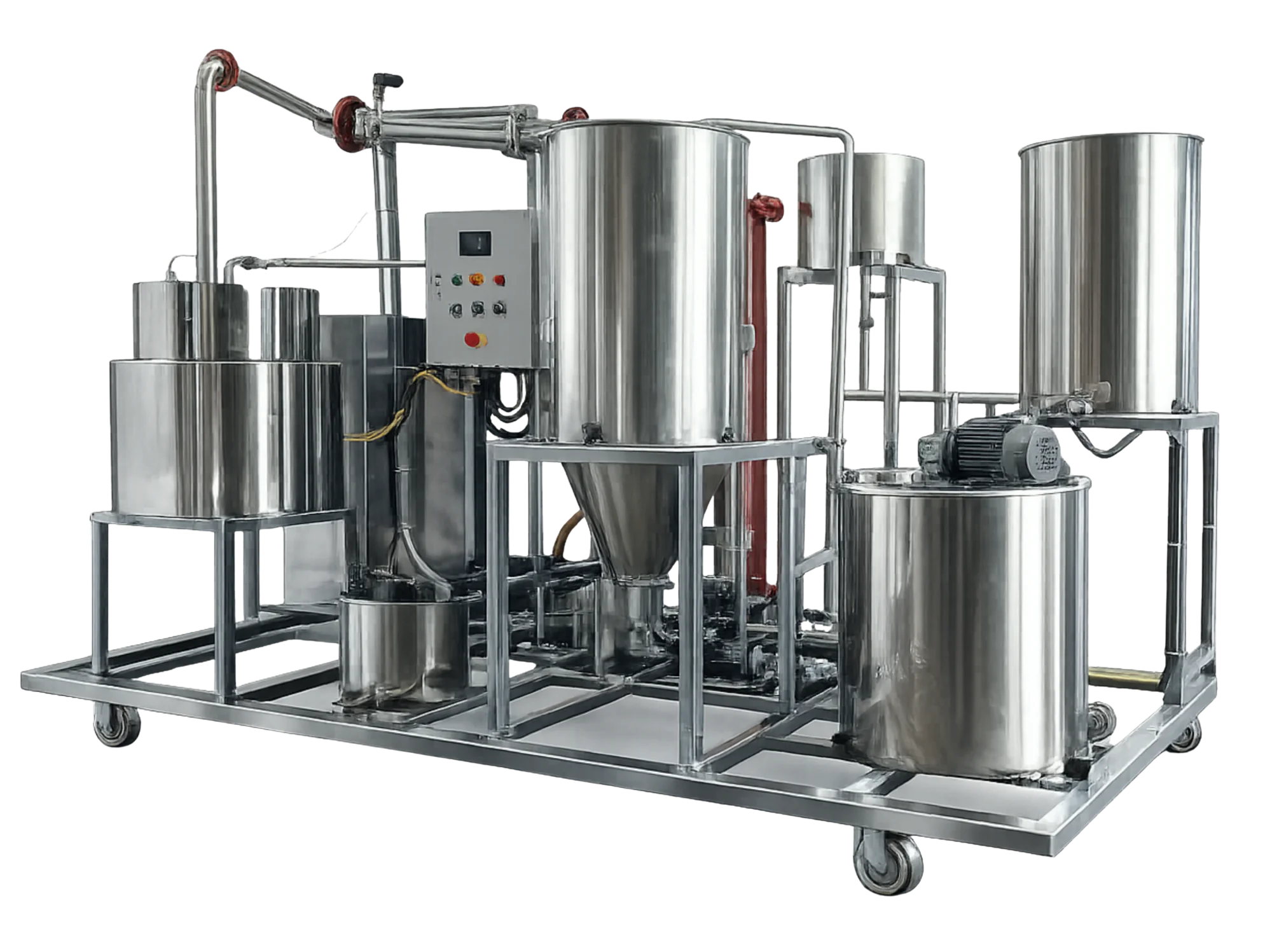
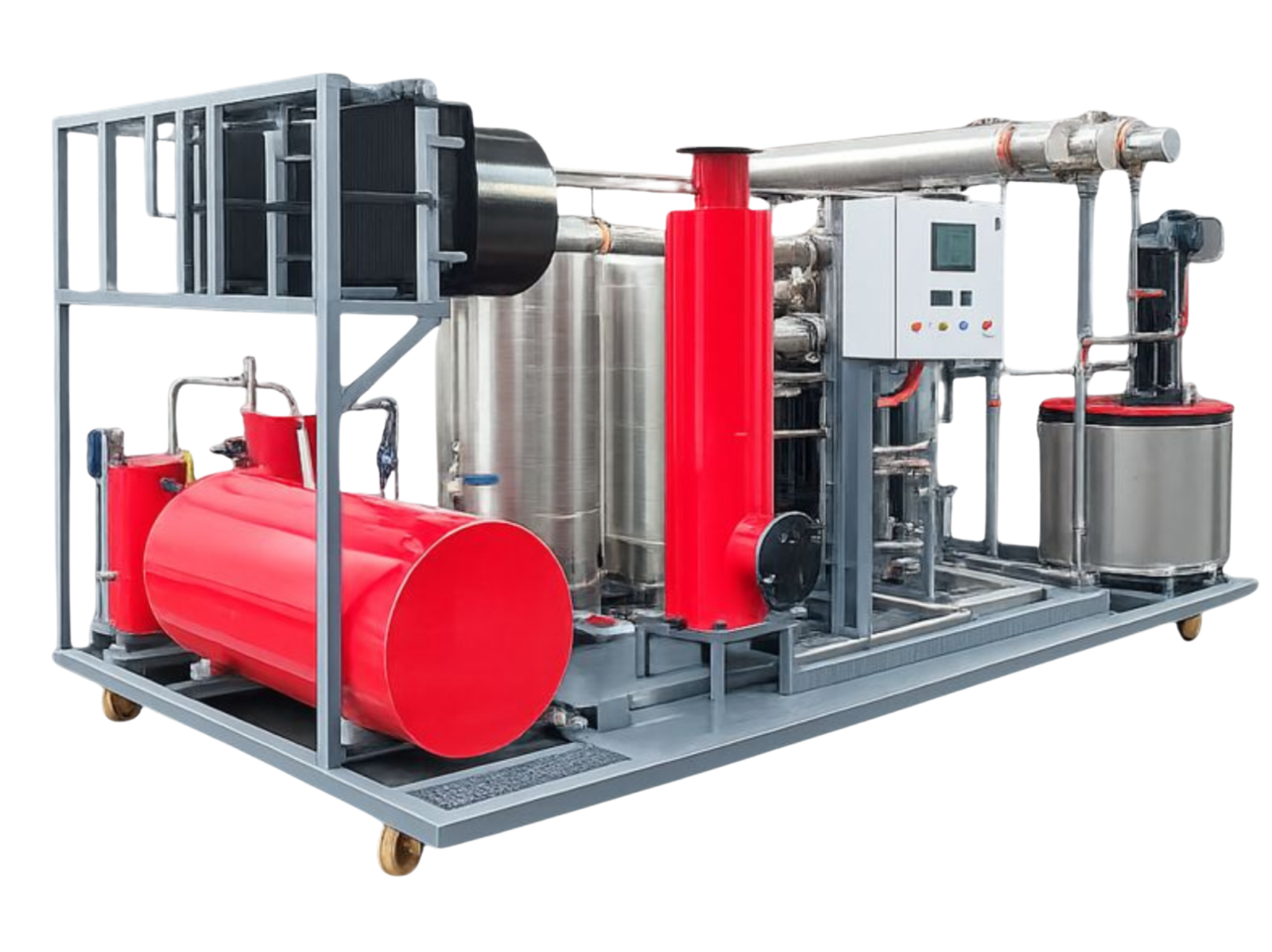 Waste Oil to Diesel Machine
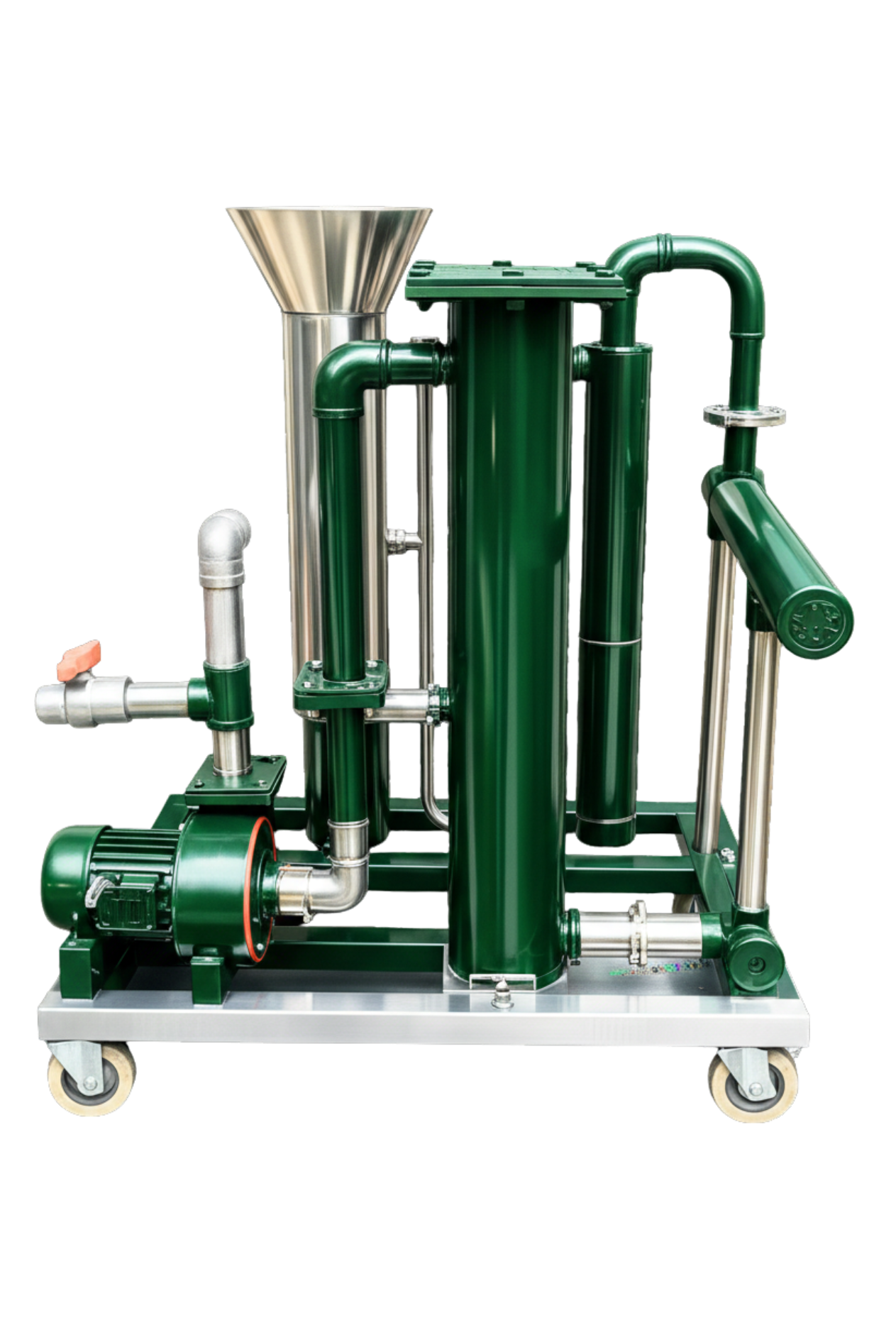 Biomass Gasifier