
Used motor oil is one of the most prevalent hazardous wastes produced worldwide, particularly by the automotive and manufacturing sectors. With each oil change for a vehicle, truck, or machine, comes used motor oil — a highly dangerous byproduct that has the potential to devastate the environment when mishandled.
But here’s the clincher: used motor oil recycling is not just a compliance initiative anymore. It’s now a vital response to sustainable development, energy efficiency, and even profitability for business. With governments, businesses, and consumers increasingly becoming environmentally aware, used motor oil recycling is becoming a lucrative industry in the global circular economy.
What Is Used Motor Oil Recycling?’
Used motor oil recycling is collecting, washing, and re-processing used lubricating oil to use it again. The goal is straightforward: exclude harmful waste from the environment and transform it into useful products.
This operation has the benefit of:
- Keeping water and land pollution at bay
- Lowering the need for crude oil
- Lessening greenhouse gases
- Sustaining industries through affordable, renewable lubricants
Why Is Used Motor Oil Hazardous?
Dirty with heavy metals, dirt, by-products of engines, and in some cases even fuel residues, used motor oil is a toxic brew. If disposed of irresponsibly, one gallon of used oil can contaminate more than a million gallons of drinking water. Recycling used motor oil is not just a choice, therefore—it’s a duty.
Most recent environmental reports indicate that almost 60% of used motor oil in certain developing areas is still being burned, discarded, or wasted. This is seriously harming soil, aquatic organisms, and human health. Used motor oil recycling is a contemporary necessity that helps offset this destruction.
How Is Used Motor Oil Recycling Done?
Used motor oil recycling works in the following general process:
1. Collection & Transportation
Recyclers deal with garages, industries, and transport fleets to reclaim used oil. They use specialized containers and tankers to avoid spills and contamination.
2. Pre-treatment & Dehydration
The oil is treated to drain water, solids, and fuel residues. Pre-treatment prepares the oil for additional refining.
3. Re-refining
This is the core of recycling used motor oil. By vacuum distillation and hydrotreating, impurities are eliminated, and base oils are left behind to be reused in making high-quality lubricants.
At the end of the process, the used oil is reborn as:
- Lubricating base oil
- Diesel fuel (through advanced distillation)
- Industrial fuel oils
What Products Are Made from Recycled Motor Oil?
Used oil recycling is not disposal — it’s reformulation. Some of the useful products that come out of the recycling process include:
- Base oil: The prime component in creating new motor oil.
- Marine fuel: Cleaner fuel for boats and ferries.
- Industrial lubricants: Used in manufacturing machinery.
- Energy fuel: Fuels furnaces and boilers in factories.
Some companies even invest in clean diesel technology, refining used motor oil into low-emission diesel substitutes.
Advantages of Recycling Used Motor Oil
1. Conservation of the Environment
Effective recycling prevents oil pollution, safeguards wildlife, and preserves water resources.
2. Energy Conservation
Base oil production from recycled motor oil requires 85% less energy than refining from crude oil.
3. Economic Benefits
Re-refining may be cheaper than new oil production, saving industries money and generating local employment.
4. Sustainability Branding
Companies that recycle their used oil improve their green brand image and attract environmentally friendly consumers.
Is Used Motor Oil Recycling Worthwhile?
Yes. Used motor oil recycling has become a worthwhile business due to the advancement of technologies and the increasing price of oil. In 2025, businesses that invest in recycling facilities and re-refining systems are experiencing high ROI because:
- Government subsidies for waste management
- Growing demand for base oil
- Reduced cost of oil purchase for industrial consumption
- Export markets to countries with limited refining capacities
Global Trends in Used Motor Oil Recycling (2025 Update)
Current industry trends indicate a dramatic increase in investment in used motor oil recycling technology. Highlights:
- India, China, and the Middle East are becoming hotspots for motor oil re-refining.
- Artificial intelligence-based waste collection is making oil recovery more effective.
- Hybrid recycling processes now enable the recovery of oil and fuel simultaneously from the same waste feedstock.
- Carbon credit schemes incentivize industries that recycle their used oil rather than burning it.
- This implies the recycling industry isn’t merely expanding—it’s evolving through innovation.
What Can Businesses Do?
If you’re in transportation, automotive, manufacturing, or heavy equipment, here’s how you can embrace used motor oil recycling:
- Collaborate with a certified recycler
- Train staff on safe oil disposal practices
- Utilize reusable containers to minimize packaging
- Record recycling practices for ESG and sustainability reporting
- Track oil change intervals to reduce unnecessary oil disposal
- Government Rules and Compliance
Environmental regulations in most nations require recycling of used motor oil. For instance:
India’s CPCB guidelines require recycling of hazardous waste in accordance with the Hazardous Waste Management Rules.
The USA’s EPA necessitates special handling and reporting by used oil generators.
European nations offer incentives to organizations that recycle lubricants effectively.
It is essential to adhere to these regulations to avoid penalties and get an edge in sustainability reporting.
The Future of Used Motor Oil Recycling
As the demand for circular economy models continues to grow, used motor oil recycling is ready to be among the most rapidly expanding segments of the green economy.
Some new developments include:
- Nanotechnology filtering for enhanced contaminant extraction
- Blockchain monitoring of used oil for compliance
- Rail-mounted recycling trucks for rural areas
- With the global transition toward eco-responsibility, firms that invest in oil recovery technologies early on will find a long-term advantage.
Conclusion
Used motor oil is not a waste material — it’s a resource in wait of being reclaimed. Recycling used motor oil is a win-win proposal for the economy and the environment. With up-to-date technologies and increasing environmental awareness, the process is no longer an afterthought but a frontline solution.
It’s time for governments, garages, and industries to get on board and handle used oil as a commodity to be cherished, not waste to be discarded. Because the future isn’t about throwing away — it’s about reusing, recycling, and refining.

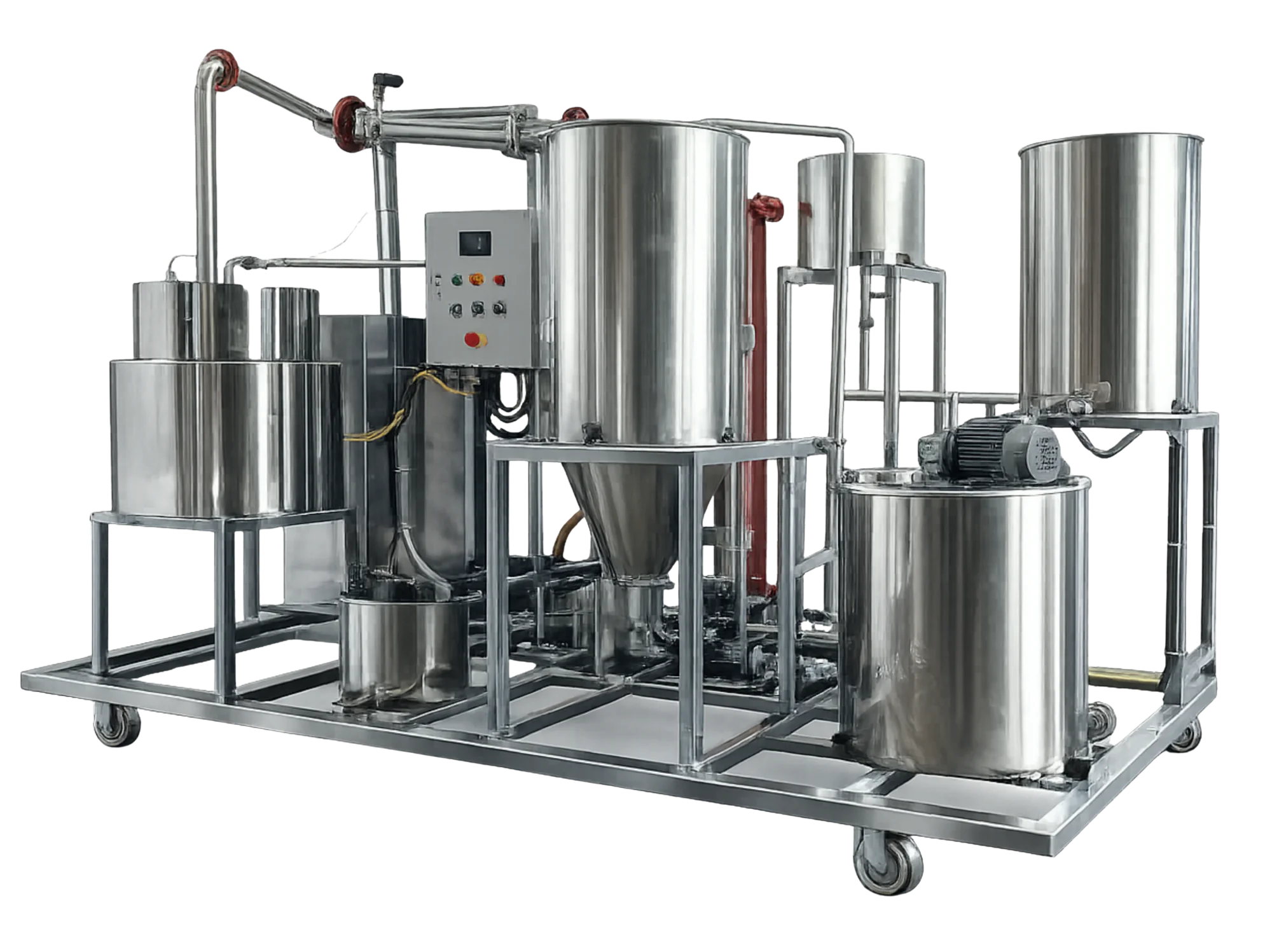
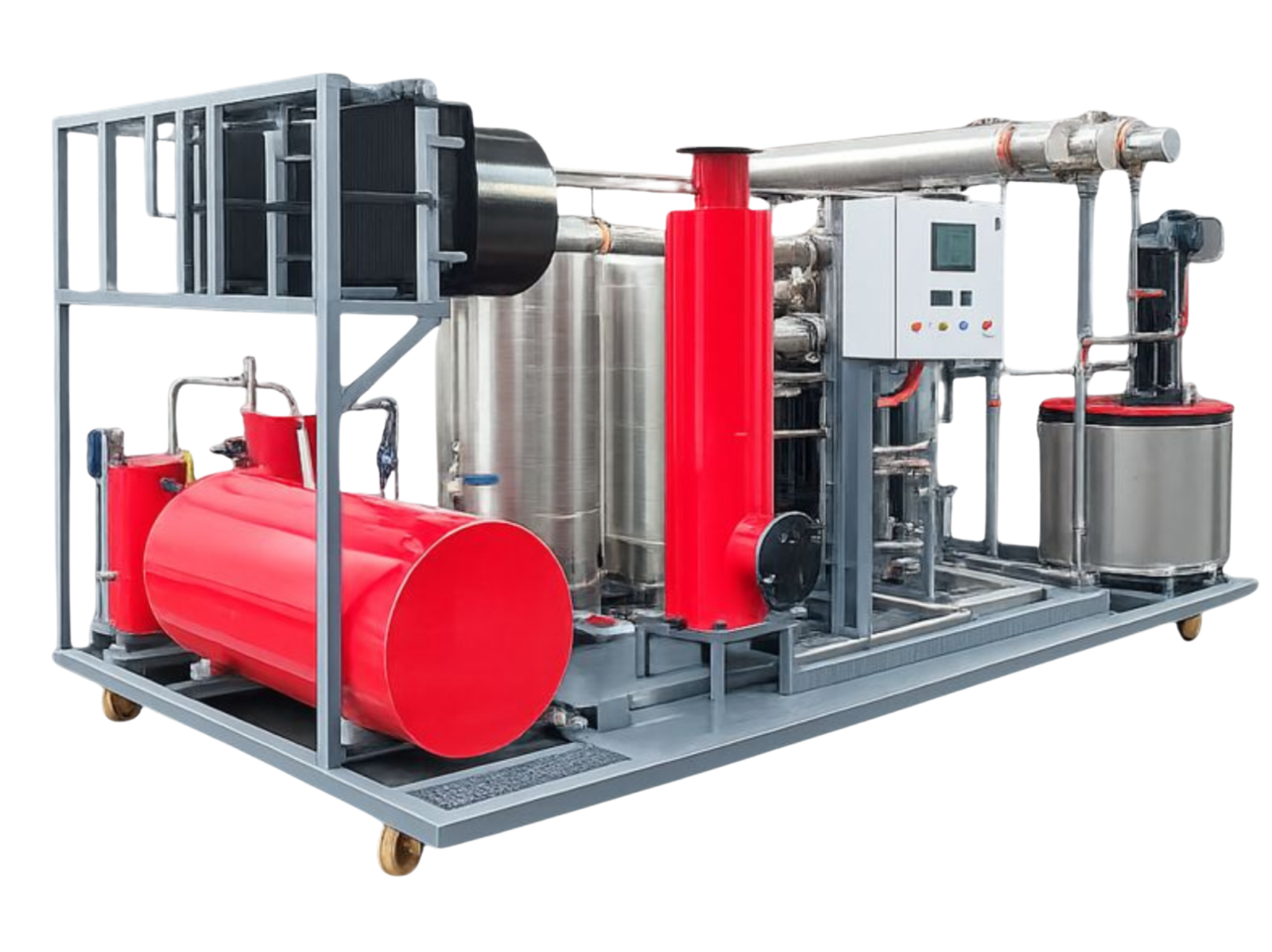 Waste Oil to Diesel Machine
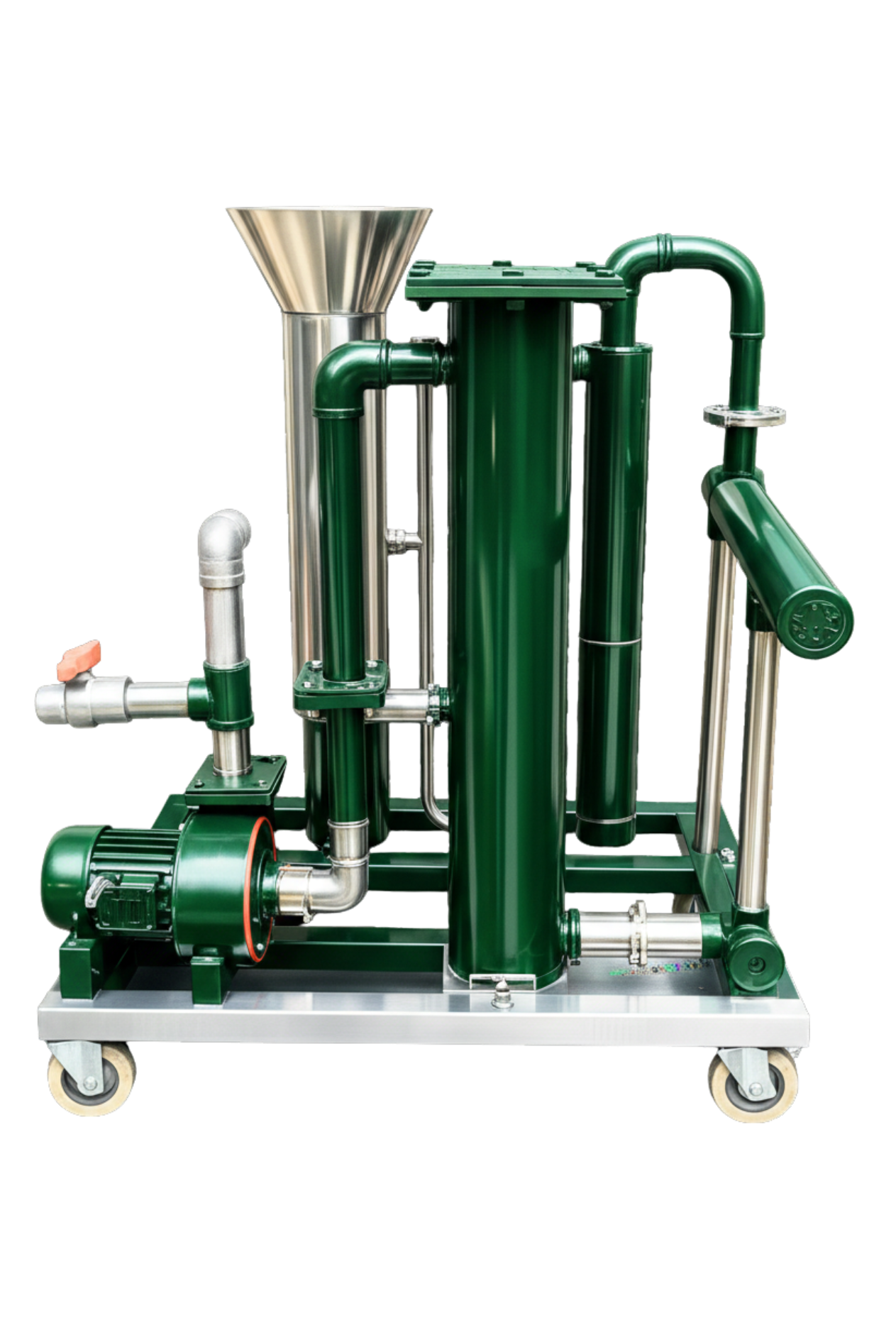 Biomass Gasifier