
Vegetable oil can be converted into biodiesel through a controlled chemical process called transesterification. This process offers businesses an opportunity to transform suitable oil feedstocks into renewable fuel for applications such as diesel engines, generators, agricultural machinery, and industrial equipment.
The Vegetable Oil to Biodiesel process is attracting interest from businesses exploring alternative fuels, oil processing, and renewable energy production. However, successful production depends on selecting suitable feedstock, controlling processing conditions, and ensuring that the final biodiesel meets the required quality standards.
For businesses planning a commercial project, understanding the Vegetable Oil to Biodiesel process is an important first step towards selecting appropriate processing equipment.

WHAT IS THE VEGETABLE OIL TO BIODIESEL PROCESS?
The Vegetable Oil to Biodiesel process converts suitable vegetable oils into biodiesel through a chemical reaction involving an alcohol and a catalyst.
Vegetable oils contain triglycerides, which react with an alcohol during transesterification to produce fatty acid esters, commonly known as biodiesel, and glycerol as a by-product.
Depending on availability, the feedstock may include:
- Soybean oil
- Palm oil
- Rapeseed oil
- Sunflower oil
- Jatropha oil
- Other suitable vegetable oils
The choice of feedstock depends on regional availability, cost, oil composition, and the intended application.
For commercial production, the Vegetable Oil to Biodiesel process must be designed around the properties of the selected oil rather than assuming every feedstock behaves identically.
HOW DOES VEGETABLE OIL BECOME BIODIESEL?
The Vegetable Oil to Biodiesel conversion process generally involves several stages, from preparing the raw material to separating and purifying the final product.
1. FEEDSTOCK PREPARATION
The vegetable oil is inspected and prepared before processing. Water and unwanted solid particles may need to be removed to support the reaction.
Oil quality is particularly important because excess water and free fatty acids can affect the production process.
2. TRANSESTERIFICATION
During transesterification, the prepared oil reacts with an alcohol in the presence of a suitable catalyst.
The reaction converts triglycerides into biodiesel and glycerol. Temperature, mixing, reaction time, and feedstock characteristics influence the process.
3. PHASE SEPARATION
After the reaction, the mixture is allowed to separate into different phases.
The biodiesel-rich phase is separated from the glycerol-rich phase before further purification.
4. BIODIESEL PURIFICATION
The separated biodiesel undergoes appropriate purification to remove residual contaminants, including remaining alcohol, catalyst, soap, and other impurities.
The required treatment depends on the production system and the quality specifications the finished fuel must meet.
5. FINAL QUALITY CHECKS
The finished biodiesel should be tested against the relevant fuel-quality requirements before it is used or distributed.
This step helps ensure that the product is suitable for its intended application.
A properly planned Vegetable Oil to Biodiesel system considers all these stages rather than focusing only on the chemical reaction.
WHY IS VEGETABLE OIL TO BIODIESEL PRODUCTION IMPORTANT?
The Vegetable Oil to Biodiesel process can support businesses interested in renewable fuels and alternative energy production.
Potential benefits include:
- Renewable fuel production: Suitable vegetable oils can serve as feedstocks for biodiesel.
- Feedstock flexibility: Different vegetable oils may be used when the processing system is designed for them.
- Commercial opportunities: Biodiesel production can support businesses serving suitable fuel markets.
- Industrial applications: Biodiesel can be used in compatible diesel engines and equipment, subject to fuel specifications and manufacturer requirements.
- Resource utilization: Businesses can evaluate locally available oil resources for fuel production.
The actual commercial benefits depend on feedstock cost, production efficiency, fuel quality, operating expenses, and local regulations.
HOW TO CHOOSE VEGETABLE OIL TO BIODIESEL PROCESSING EQUIPMENT
Selecting appropriate machinery is essential for a reliable Vegetable Oil to Biodiesel production project.
Before choosing equipment, businesses should evaluate the following factors.
1. Raw material availability
Determine which vegetable oil is available and whether the supply is consistent throughout the year.
2. Production capacity
Estimate the quantity of oil available per day or per batch. The equipment should match the expected production requirement.
3. Oil quality
Water content, free fatty acids, and other feedstock characteristics can influence the processing method and pretreatment requirements.
4. Processing configuration
Consider the reaction system, heating, mixing, separation, filtration, and purification stages required for the project.
5. Final product requirements
Identify the intended biodiesel application and the relevant fuel-quality specifications before selecting the system.
6. Technical support
Review the manufacturer’s specifications, warranty, operating instructions, and installation support.
Businesses looking for machinery can explore the Vegetable Oil to Biodiesel Machine offered by Veera Group and evaluate the available configuration against their project requirements.
VEGETABLE OIL TO BIODIESEL FOR GLOBAL MARKETS
The commercial potential of Vegetable Oil to Biodiesel varies across regions because vegetable oil availability, fuel demand, infrastructure, and regulations differ from country to country.
For example, businesses in regions with established palm oil production may evaluate palm oil as a potential feedstock. Other markets may have access to soybean, sunflower, rapeseed, or non-edible vegetable oils.
Before investing in a biodiesel project, buyers should assess:
- Local feedstock availability
- Delivered raw material cost
- Demand for biodiesel
- Applicable fuel standards
- Environmental and operating regulations
- Transportation and distribution requirements
These considerations are important for international buyers evaluating a Vegetable Oil to Biodiesel project in markets across Asia, Africa, Europe, the Middle East, and the Americas.
A suitable business model should be based on local conditions rather than assuming that one feedstock or production configuration is appropriate for every market.
COMMON CHALLENGES IN BIODIESEL PRODUCTION
Although the Vegetable Oil to Biodiesel process offers potential benefits, businesses should plan for several technical and commercial challenges.
Feedstock variation: Different vegetable oils may require different processing conditions.
Water contamination: Excess water can interfere with conventional base-catalysed transesterification.
High free fatty acid content: Certain feedstocks may require pretreatment before the main reaction.
Purification requirements: Residual alcohol, catalyst, soap, and glycerol must be managed appropriately.
Fuel-quality compliance: The final product must meet applicable specifications for its intended use.
Understanding these factors helps businesses evaluate the complete production system before investing in equipment.
HOW VEGETABLE OIL TO BIODIESEL SUPPORTS INDUSTRIAL APPLICATIONS
The Vegetable Oil to Biodiesel process can supply fuel for compatible diesel engines, generators, agricultural machinery, commercial vehicles, and other suitable applications.
However, the finished fuel must meet the relevant specifications, and equipment compatibility should be confirmed with the engine or machinery manufacturer.
For industrial buyers, production planning should consider both the available feedstock and the intended fuel market.
The correct equipment configuration, appropriate operating conditions, and reliable quality-control procedures are essential to developing a sustainable production operation.
CONCLUSION
The Vegetable Oil to Biodiesel process provides a method for converting suitable vegetable oils into renewable fuel through transesterification, separation, and purification.
For businesses considering biodiesel production, the most important decisions involve selecting the right feedstock, determining the required production capacity, choosing suitable equipment, and ensuring that the final product meets applicable fuel-quality standards.
A well-planned project should also consider local raw material availability, market demand, operating costs, and regulatory requirements.
If you are exploring machinery for your project, visit the Vegetable Oil to Biodiesel Machine page to learn more about Veera Group’s processing solutions.
The right combination of feedstock, processing technology, and quality control can help businesses evaluate the potential of vegetable oil-based biodiesel production.
FREQUENTLY ASKED QUESTIONS
1. WHAT IS VEGETABLE OIL TO BIODIESEL CONVERSION?
The Vegetable Oil to Biodiesel process converts suitable vegetable oils into biodiesel through transesterification, followed by separation and purification.
2. WHICH VEGETABLE OILS CAN BE USED?
Depending on the processing system, possible feedstocks include soybean, palm, sunflower, rapeseed, and jatropha oils. Suitability depends on oil quality and processing requirements.
3. WHAT IS THE MAIN PROCESS USED TO PRODUCE BIODIESEL?
Transesterification is the conventional process used to convert vegetable oils into biodiesel and glycerol.
4. CAN BIODIESEL BE USED IN DIESEL ENGINES?
Biodiesel can be used in compatible diesel engines when it meets the applicable fuel specifications and the engine manufacturer’s requirements.
5. HOW DO I SELECT A VEGETABLE OIL TO BIODIESEL MACHINE?
Consider feedstock availability, oil quality, required production capacity, processing configuration, purification requirements, fuel standards, and supplier support before selecting a machine.

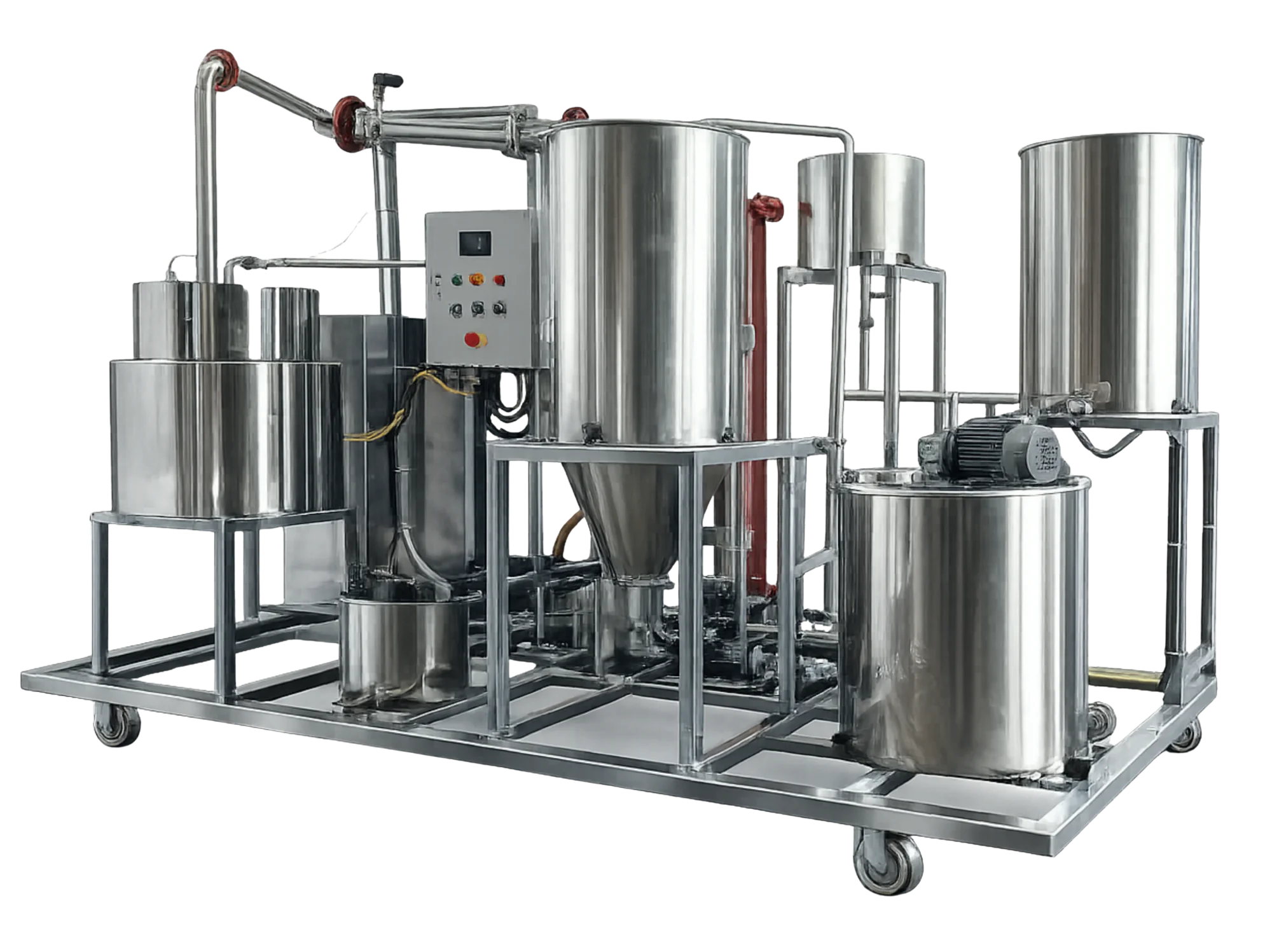
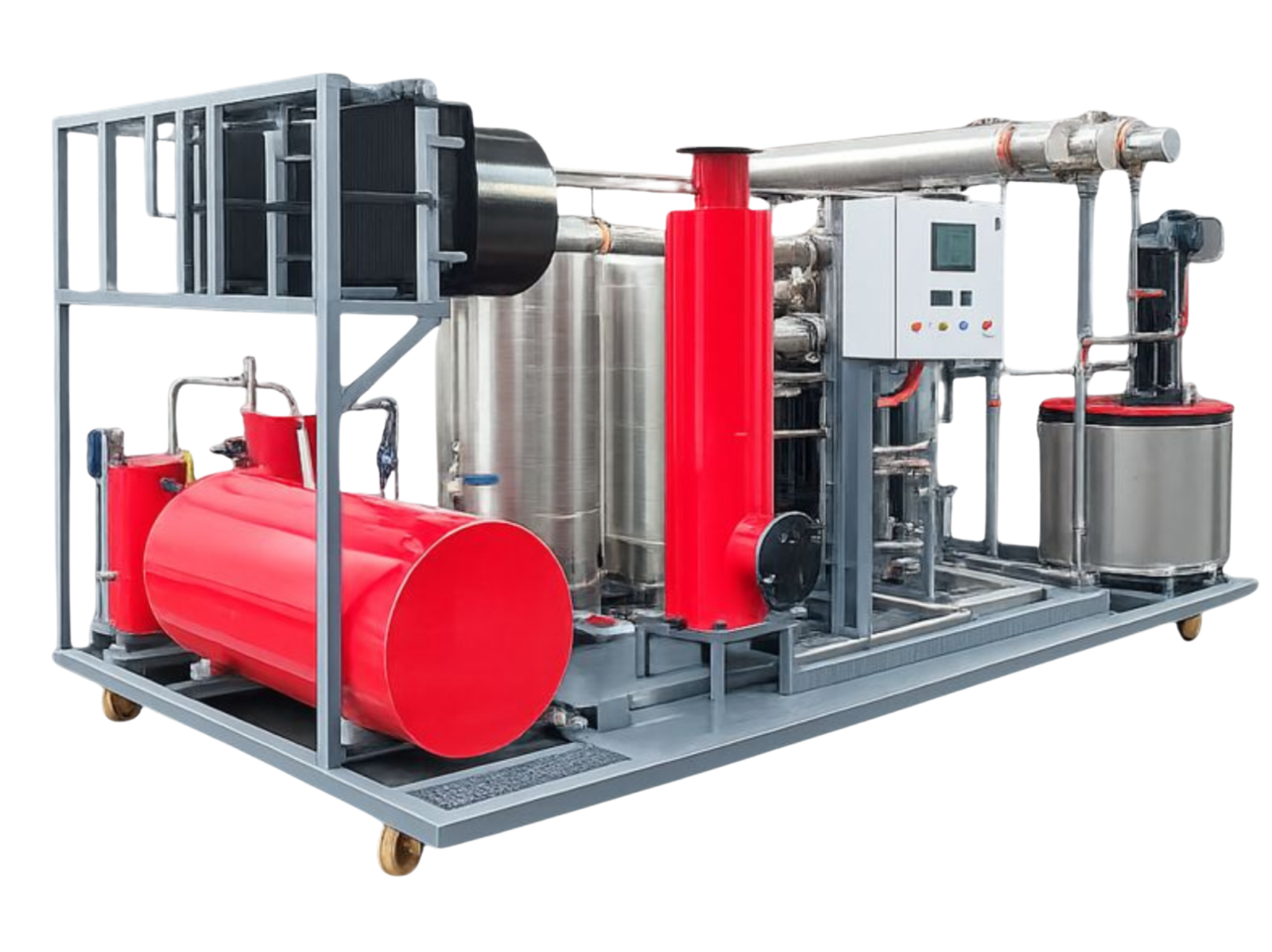 Waste Oil to Diesel Machine
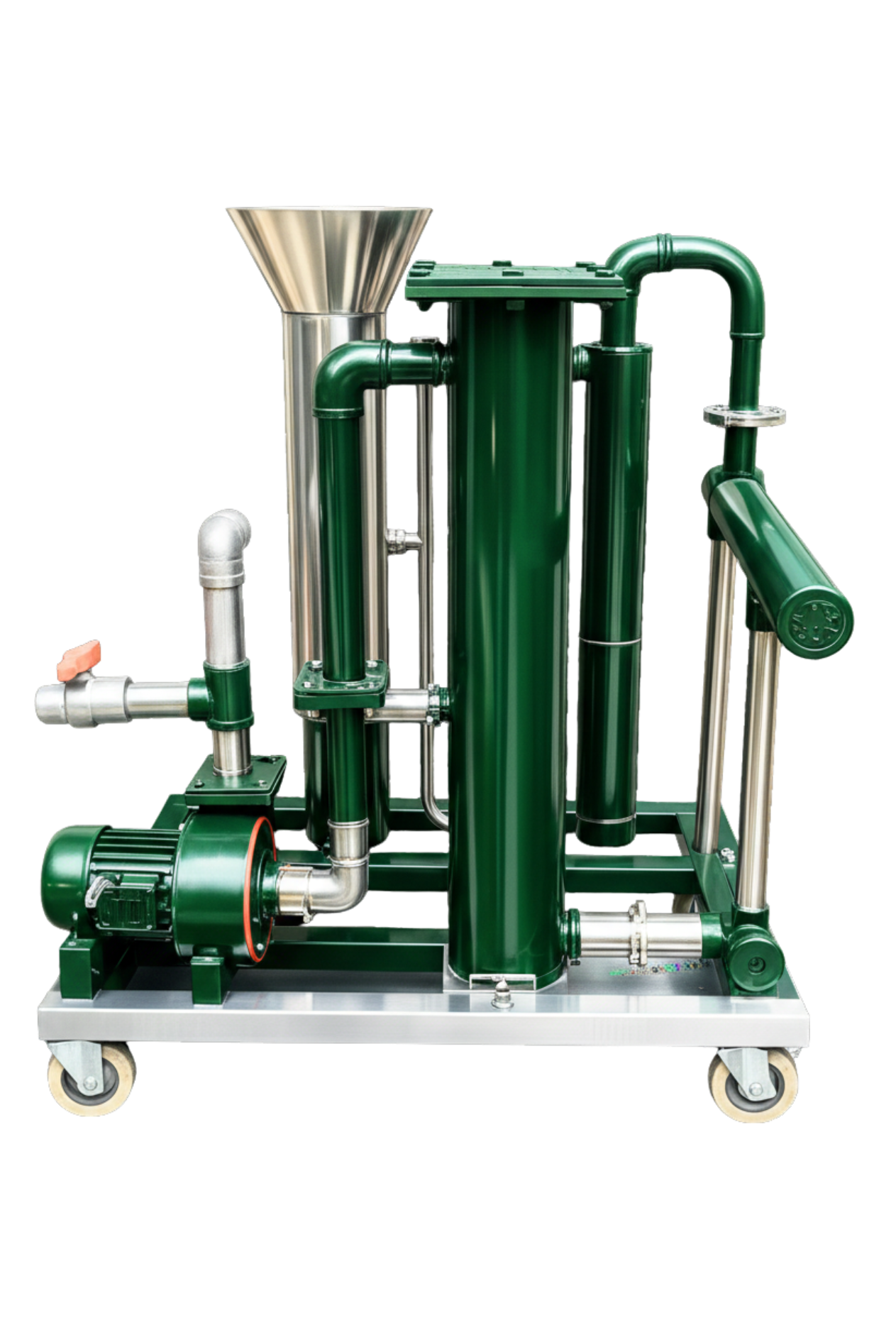 Biomass Gasifier