
Biochar Production Process is important if you’re planning to invest in a biochar production machine. The process is not simply about heating biomass. Feedstock preparation, moisture, controlled carbonization, cooling and final biochar handling all affect how smoothly a plant operates.
If you’re already comparing equipment, speaking with a Biochar Machine Manufacturer can help you understand which machine configuration is suitable for your biomass, production target and site.
What Is the Biochar Production Process?
The Biochar Production Process is a controlled thermal conversion of biomass in a low-oxygen environment. During the process, organic material is heated and converted into a carbon-rich solid product known as biochar.
For a buyer, understanding each stage is useful because the equipment required depends on how the process needs to be handled.
The basic sequence is:
Biomass preparation → Feeding → Drying → Carbonization → Gas handling → Cooling → Biochar discharge
1. Biomass Preparation
The Biochar Production Process starts with suitable biomass.
Depending on the material, preparation may include:
-
- Size reduction
-
- Screening
-
- Removal of unwanted materials
-
- Moisture control
-
- Consistent feeding preparation
Common feedstocks can include coconut shells, wood residues, sawdust, agricultural waste and other suitable biomass.
The quality and consistency of the feedstock can have a significant impact on the operation of the equipment.
2. Drying the Biomass
Moisture is an important consideration in the Biochar Production Process.
Excess moisture can consume additional thermal energy before the biomass reaches the required carbonization conditions. For this reason, some projects require a dedicated drying stage before the material enters the main reactor.
The exact drying requirement depends on the biomass being processed.
When discussing a project with a Biochar Machine Manufacturer, it is useful to provide information about the approximate moisture content of your feedstock.
3. Feeding the Reactor
Consistent feeding is another important part of the Biochar Production Process.
The prepared biomass needs to enter the carbonization system at a controlled rate. An appropriate feeding arrangement can help maintain stable operation and prevent unnecessary interruptions.
The feeding system should therefore be considered when selecting equipment rather than treating it as a separate afterthought.
4. Carbonization
Carbonization is the central stage of the Biochar Production Process.
The prepared biomass is heated under controlled oxygen conditions. As the temperature increases, moisture and volatile compounds are released while the remaining solid material becomes progressively richer in carbon.
Temperature, residence time and feedstock characteristics can all influence the resulting biochar.
This is one reason why selecting equipment based solely on machine capacity isn’t enough.
5. Gas Handling
During the Biochar Production Process, gases are released as the biomass undergoes thermal decomposition.
A properly designed system needs to manage these gases safely and efficiently. Depending on the machine configuration, process gases can be handled within the thermal system.
The gas-handling arrangement should be discussed with the manufacturer before purchasing equipment.
6. Cooling the Biochar
After carbonization, the material needs to be cooled before it can be safely handled and stored.
Cooling is therefore an important part of the Biochar Production Process, particularly for continuous commercial operations.
The cooling arrangement should provide controlled handling of the finished biochar while supporting the overall operating cycle.
7. Biochar Collection
The final stage of the Biochar Production Process is collecting the cooled biochar.
Depending on the project, the material may then be:
-
- Stored
-
- Screened
-
- Packed
-
- Transported
-
- Further processed
The intended application of the biochar should be considered when designing the handling and storage arrangement.
What Determines the Right Machine?
Understanding the Biochar Production Process helps you make a better equipment decision.
Before buying, consider:
-
- What biomass will you process?
-
- How much biomass is available every day?
-
- What is the moisture level?
-
- What biochar output do you need?
-
- How many hours will the plant operate?
-
- Do you prefer batch or continuous operation?
-
- What space is available?
These answers help determine the appropriate machine configuration.
Batch vs Continuous Production
The Biochar Production Process can be implemented using different operating configurations.
A batch system processes a specific quantity of biomass during each cycle. This can be suitable for certain smaller or flexible operations.
A continuous system is designed for ongoing feeding and discharge and can be more appropriate for commercial projects with a consistent biomass supply.
Neither approach is automatically better. The right choice depends on your production target and operating conditions.
What Should Buyers Ask the Manufacturer?
Before investing, ask the Biochar Machine Manufacturer about the complete process rather than only asking for a machine price.
Important questions include:
-
- What biomass can the machine process?
-
- What moisture level is recommended?
-
- What preparation is required?
-
- What is the expected production capacity?
-
- How is temperature controlled?
-
- How is the biochar cooled?
-
- What happens to the process gases?
-
- What equipment is included?
-
- What installation support is provided?
-
- What maintenance is required?
These questions can help you compare different machines more realistically.
How Feedstock Affects the Biochar Production Process
The Biochar Production Process can vary depending on the raw material.
Coconut shells, wood residues, sawdust and agricultural residues do not necessarily have the same moisture, density or particle size.
This can influence:
-
- Feeding
-
- Heating
-
- Residence time
-
- Carbonization conditions
-
- Biochar characteristics
-
- Cooling requirements
For a commercial project, testing or discussing the actual feedstock with the manufacturer can be more useful than relying on general machine specifications.
Choosing Equipment for Commercial Production
If you’re planning a commercial facility, the Biochar Production Process should be considered as a complete system.
Look beyond the reactor and evaluate:
Feedstock preparation → Feeding → Carbonization → Gas handling → Cooling → Discharge → Storage
This approach helps you understand what equipment is actually required for your project.
A Biochar Machine Manufacturer should be able to explain the complete configuration and help you determine which components are necessary for your intended production scale.
Why Veera Group?
For buyers researching the Biochar Production Process, manufacturer experience matters because equipment selection needs to be connected to the actual biomass and operating requirements.
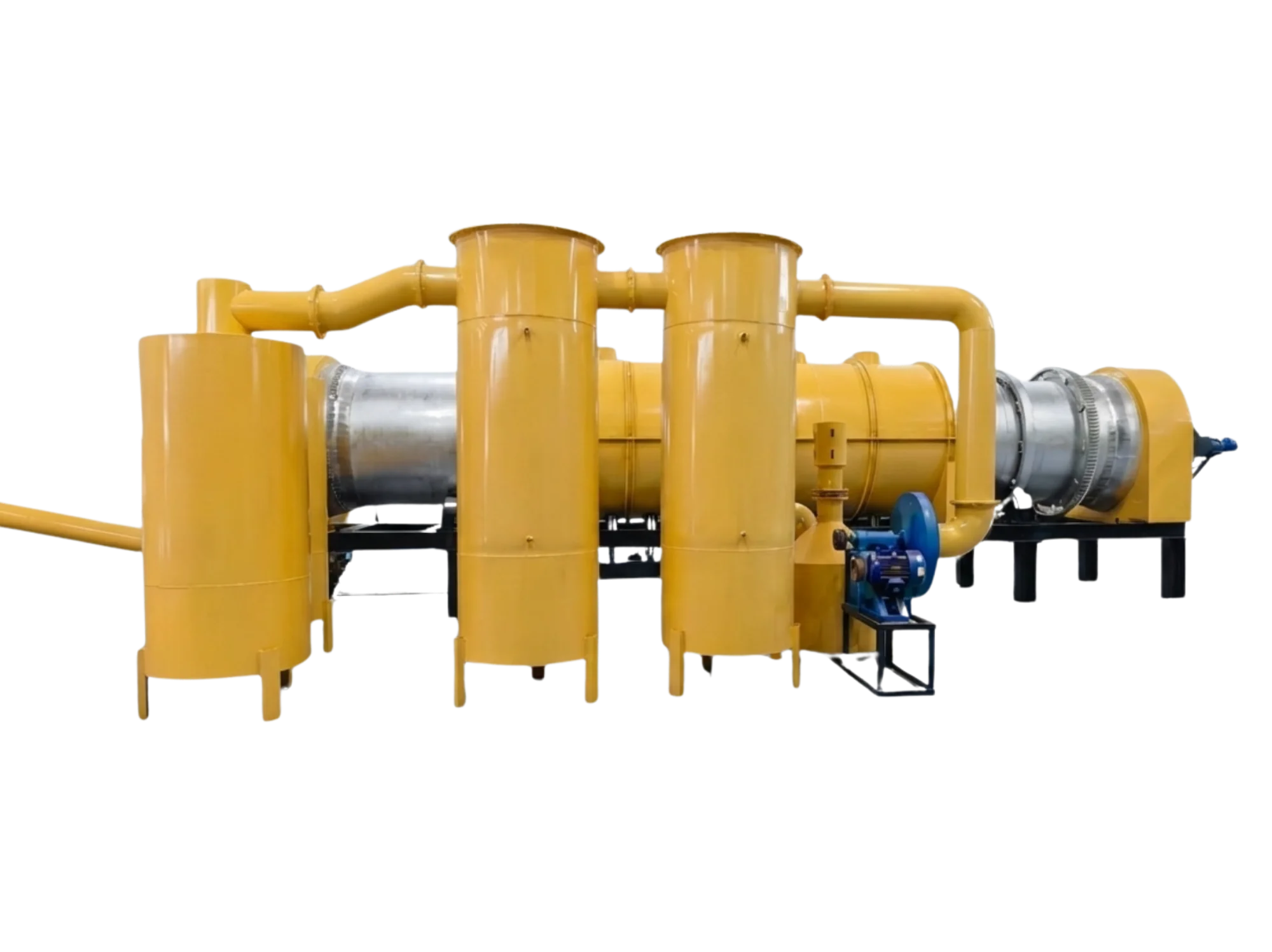
Veera Group works in waste-to-value and biomass processing technologies, including biochar-related machinery, biomass gasification, biodiesel and waste-oil recycling.
The company can discuss factors such as biomass type, production capacity, machine configuration and project requirements when evaluating a biochar project.
Final Thoughts
The Biochar Production Process is a sequence of controlled stages, and each stage has a role in achieving stable production. Preparing the biomass correctly, controlling the thermal process and providing suitable cooling and discharge systems are all important when planning a commercial operation.
If you’re planning to purchase equipment, don’t choose a machine simply because its capacity or price looks attractive. Discuss your actual biomass, daily availability and production target with a Biochar Machine Manufacturer before making the final decision.
For businesses ready to move from biomass residues to commercial biochar production, Veera Group can help evaluate the project requirements and identify a suitable equipment configuration.

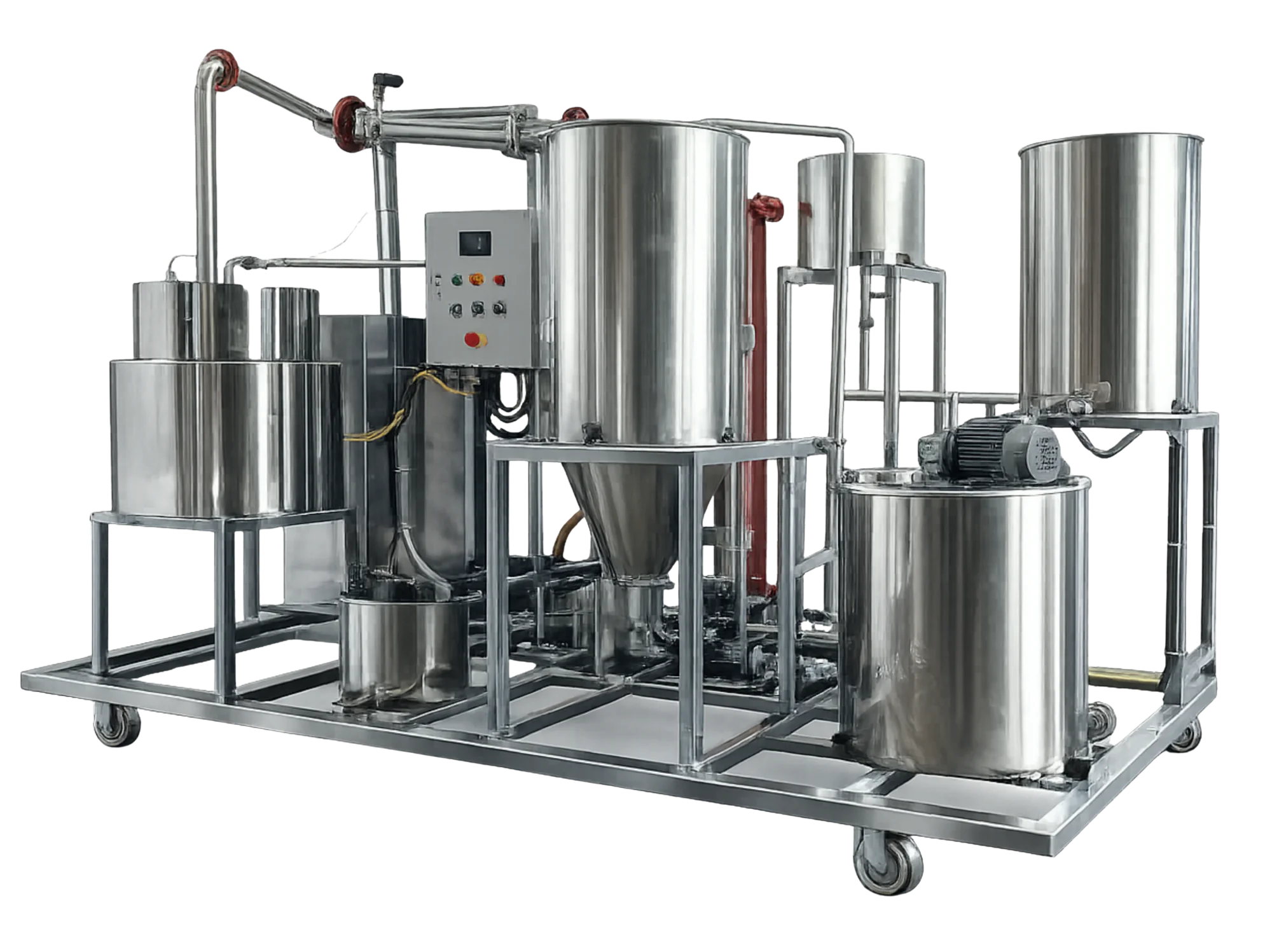
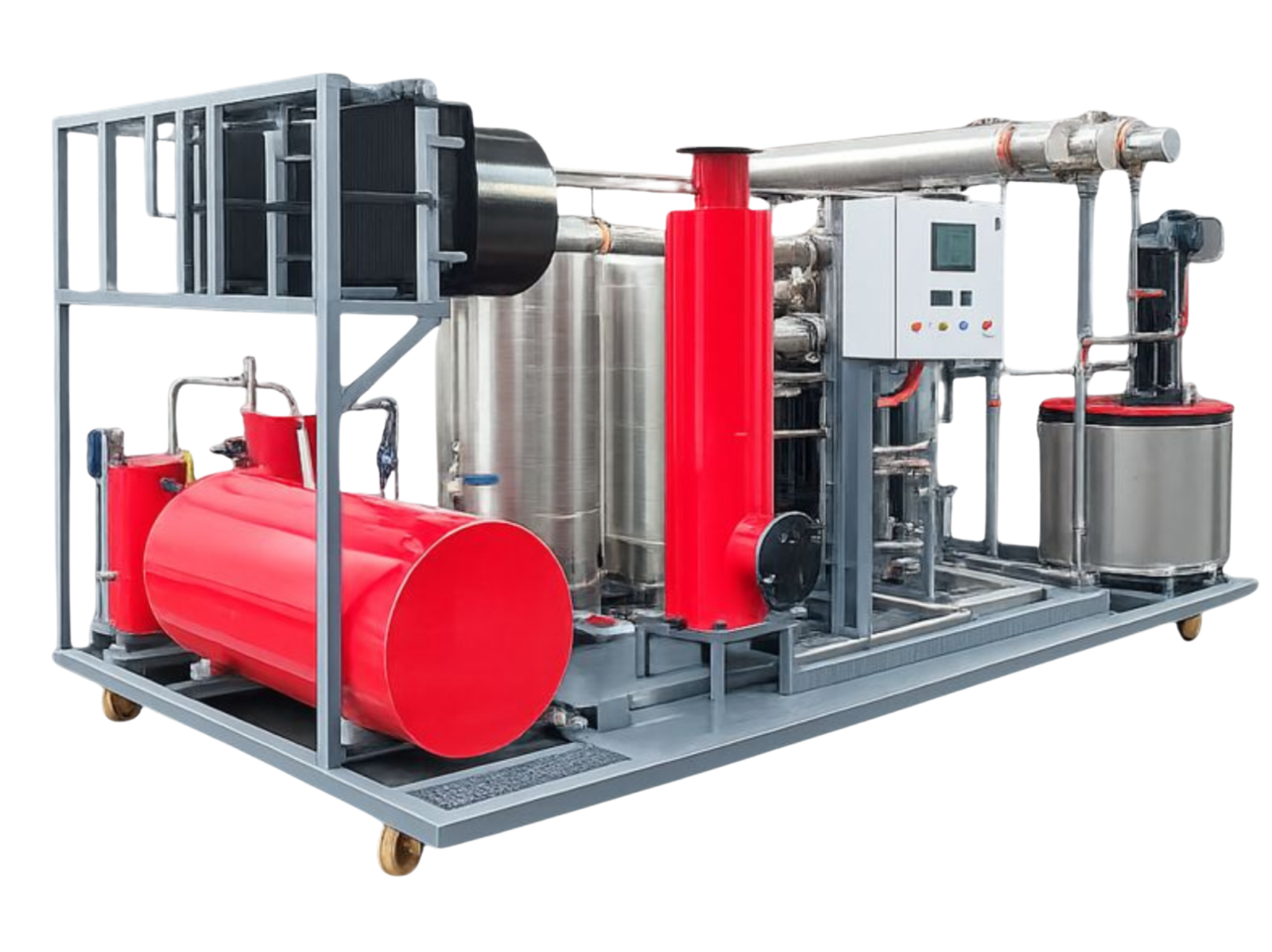 Waste Oil to Diesel Machine
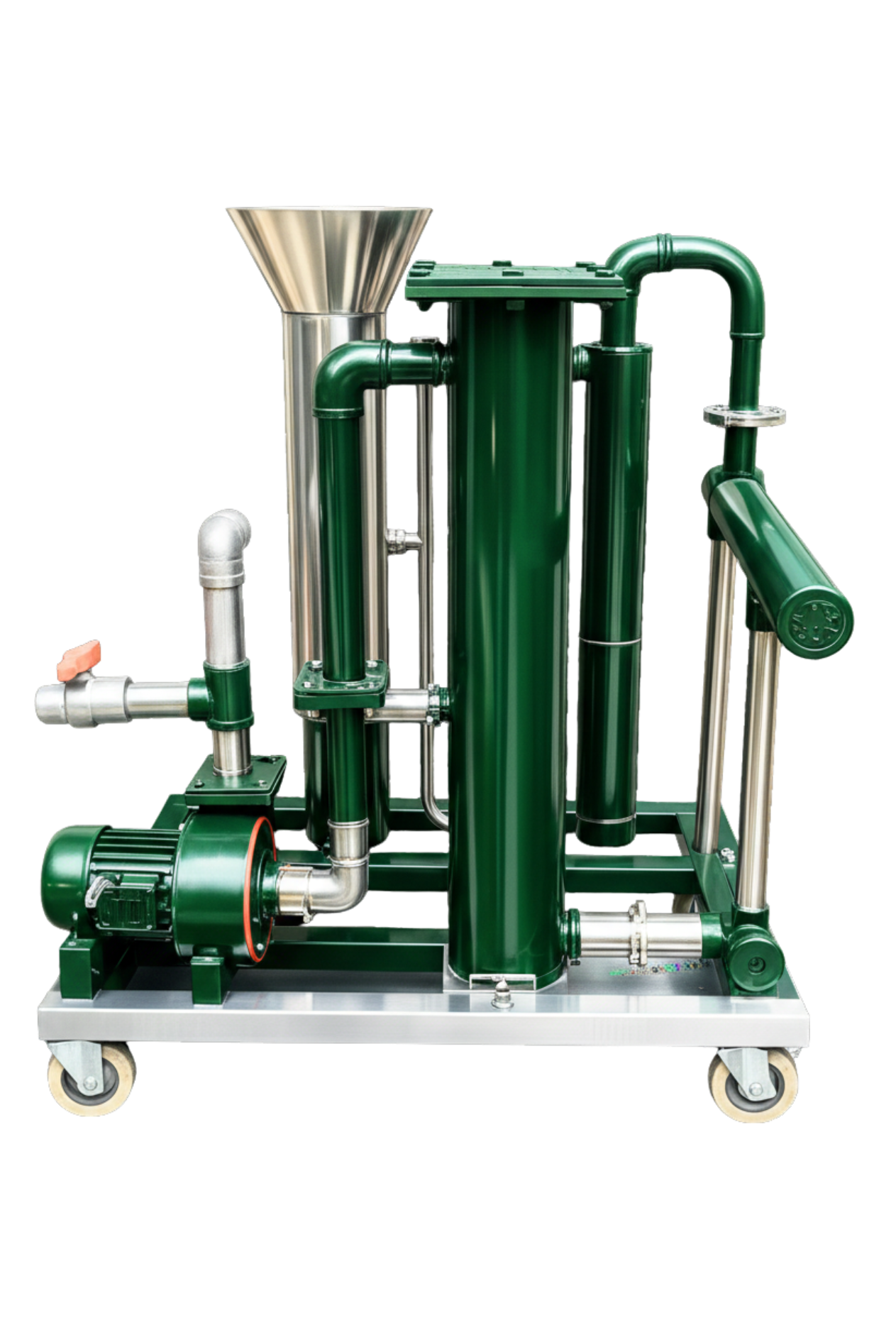 Biomass Gasifier