
Biodiesel Plant Cost: A Practical Guide for Buyers
If you’re planning to start biodiesel production, understanding biodiesel plant cost is an important part of deciding whether a project is commercially practical. The amount you invest will depend on much more than the capacity of the main processing equipment.
Feedstock, production capacity, plant configuration, automation, storage, utilities, installation and site conditions can all affect the final investment.
If you’re already comparing suppliers, reviewing a suitable biodiesel plant for sale can help you understand what different plant configurations offer before making a decision.

What Determines Biodiesel Plant Cost?
There isn’t a universal price for every biodiesel project. A plant designed for a small operation can have very different requirements from a larger commercial facility.
The following factors usually have the biggest influence on biodiesel plant cost.
1. Production Capacity
Production capacity is usually one of the first things to determine.
A plant producing a smaller quantity each day will require a different equipment configuration from a facility designed for continuous, large-scale production.
Before choosing capacity, consider:
- Available feedstock
- Expected biodiesel demand
- Daily production target
- Available site area
- Future expansion plans
Selecting the right capacity helps you avoid paying for production capability you don’t currently need while keeping the project prepared for future growth.
2. Feedstock Type and Quality
The raw material you intend to process can have a direct effect on biodiesel plant cost.
Depending on the plant configuration, suitable feedstocks may include used cooking oil, vegetable oils, animal fats and other appropriate oil sources.
The quality of the feedstock matters too. Used cooking oil, for example, can contain moisture, food particles and other contaminants. Depending on its condition, additional filtration or pretreatment may be required.
This means the same plant configuration may not be suitable for every type of feedstock.
3. Processing Technology
The production technology used in the plant also influences the overall investment.
A typical biodiesel facility includes stages for feedstock preparation, chemical reaction, separation and purification. The exact arrangement depends on the feedstock and production requirements.
When comparing biodiesel plant cost, don’t compare only the main reactor or processing machine. Look at the complete system and understand how each stage is handled.
How Does Capacity Affect Biodiesel Plant Cost?
Capacity has a major influence on the size and number of processing systems required.
For example, a higher-capacity facility may require larger reactors, additional tanks, stronger pumping systems, increased heating capacity and larger storage arrangements.
However, capacity shouldn’t be selected simply because a larger plant appears more profitable.
Ask yourself:
How much feedstock can I reliably source?
How much product can I realistically sell?
Do I have enough space and utilities for the proposed capacity?
These questions can help you choose a plant that matches your actual business plan.
Does Automation Increase the Investment?
Automation is another factor that can affect biodiesel plant cost.
Different projects have different operating requirements. Some businesses may prefer greater automation for process monitoring and control, while others may choose a simpler setup based on their workforce and production scale.
The decision can depend on:
- Production volume
- Available operators
- Process control requirements
- Operating preferences
- Expansion plans
A higher level of automation may increase the initial investment, but the appropriate choice should be based on the complete operating plan rather than the automation level alone.
What Equipment Is Included?
One reason quotations can vary significantly is that suppliers may include different equipment in their proposals.
Depending on the project, a biodiesel production system may include:
- Feedstock preparation equipment
- Reactors
- Process tanks
- Heating systems
- Separation equipment
- Purification systems
- Pumps
- Piping
- Control systems
- Storage tanks
When comparing biodiesel plant cost, make sure you understand exactly what each quotation includes.
A lower quotation isn’t necessarily cheaper if important equipment, installation work or supporting systems have been excluded.
Purification and Storage Requirements
The production reaction is only one part of the overall process.
Depending on the feedstock and plant design, additional purification may be required before the finished biodiesel is ready for its intended application.
Storage should also be considered when calculating biodiesel plant cost.
The project may require separate arrangements for:
- Incoming feedstock
- Process materials
- Finished biodiesel
- Glycerine or other by-products
- Supporting materials
The amount of storage required will depend on production volume and the way the facility is operated.
Installation and Site Preparation
Another common mistake is looking at the equipment quotation as though it represents the entire project investment.
Site preparation and installation can also affect biodiesel plant cost.
Depending on the location, you may need to plan for:
- Equipment foundations
- Electrical connections
- Heating utilities
- Water requirements
- Piping
- Storage areas
- Material handling
- Installation
- Transportation
- Safety arrangements
Existing infrastructure can make a significant difference to the overall project requirements.
How to Compare Biodiesel Plant Cost From Different Suppliers
Suppose you receive three quotations from different manufacturers. The first quotation is the cheapest, the second is slightly higher and the third is considerably more expensive.
Don’t choose one immediately based on the headline price.
Instead, compare the complete scope:
Capacity → Feedstock compatibility → Equipment → Automation → Utilities → Installation → Technical support → Shipping
This gives you a much clearer understanding of the actual biodiesel plant cost.
Ask suppliers whether their quotation includes installation assistance, technical documentation, operator training, commissioning support and after-sales service.
A proper comparison should be based on what you receive, not simply what you pay.

What Information Should You Give a Manufacturer?
If you want a realistic quotation, provide the manufacturer with useful project information.
Start with your feedstock.
Explain what type of oil or fat you plan to process and, if possible, provide information about its quality.
Then provide your expected production capacity and the amount of feedstock you can source regularly.
Your project location is also important because transportation, utilities and installation requirements can vary from one site to another.
Finally, tell the manufacturer whether you expect to expand production later.
With these details, the manufacturer can recommend a configuration that is much more relevant to your actual project.
Is the Cheapest Plant the Best Option?
Not always.
When evaluating biodiesel plant cost, it is tempting to focus entirely on the initial purchase price. However, a biodiesel facility is a long-term investment.
A cheaper quotation may have a smaller equipment scope, different automation, fewer supporting systems or different installation terms.
Instead of asking:
“Which plant is the cheapest?”
ask:
“Which plant is suitable for my feedstock, capacity, site and production goals?”
That question gives you a much better basis for comparing options.
Choosing the Right Biodiesel Plant
The right plant should fit your business rather than simply match a price range.
Consider:
- Production capacity
- Feedstock availability
- Feedstock quality
- Process configuration
- Automation
- Equipment scope
- Storage requirements
- Site conditions
- Installation
- Technical support
- Future expansion
If you are evaluating commercial options, you can review the biodiesel plant for sale options available from Veera Group and compare the configuration with your specific production requirements.
Why the Manufacturer Matters
The manufacturer is an important part of the investment decision.
A suitable supplier should be able to understand your feedstock, production target and site conditions rather than simply offering a standard machine.
Before placing an order, discuss:
- Recommended capacity
- Feedstock compatibility
- Equipment configuration
- Utilities
- Installation
- Commissioning
- Operator requirements
- Technical support
- Future expansion
This kind of discussion can help prevent unexpected requirements later in the project.
Final Thoughts
There is no single figure that represents biodiesel plant cost for every business. The final investment depends on the capacity, feedstock, technology, equipment, automation, storage, installation and site requirements of the individual project.
The best approach is to define your requirements first and then compare complete plant configurations from suitable manufacturers.
That way, you aren’t simply looking for the lowest price. You’re looking for a biodiesel production system that makes sense for your feedstock, production target and long-term business plans.
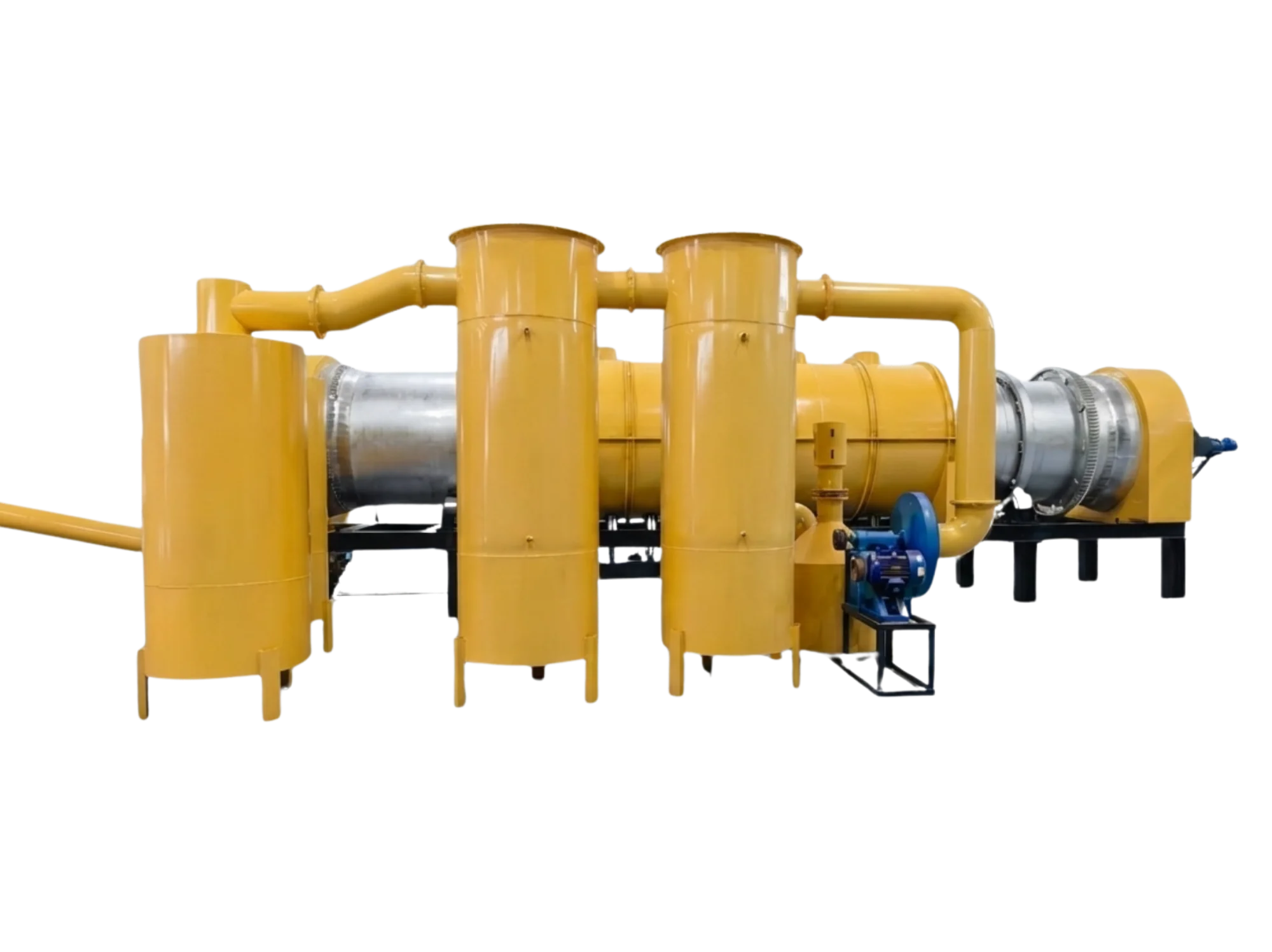
For businesses looking for a manufacturer to discuss biodiesel and other waste-to-energy projects, Veera Group provides solutions across biodiesel, waste-oil recycling, biochar and biomass gasification.

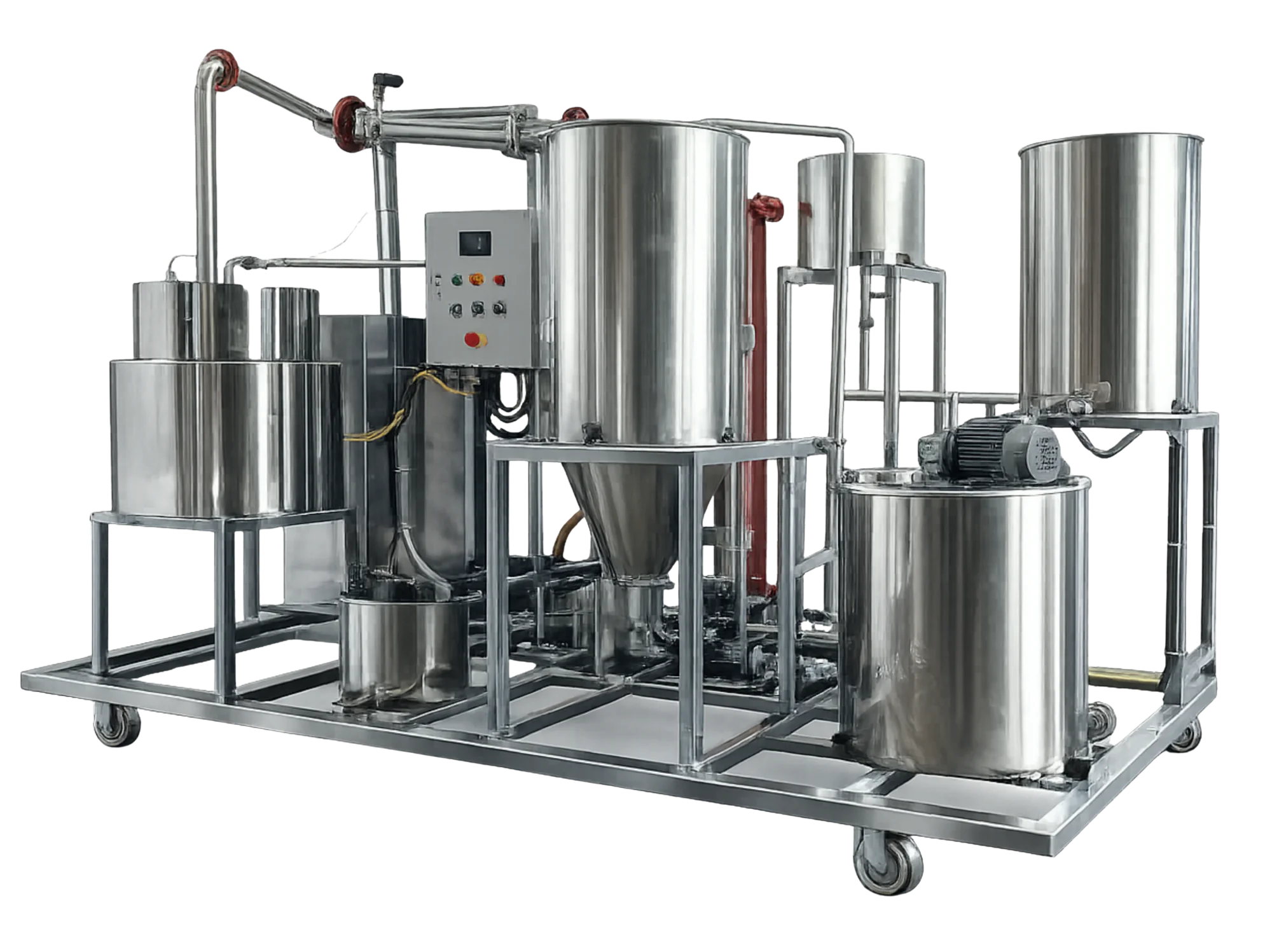
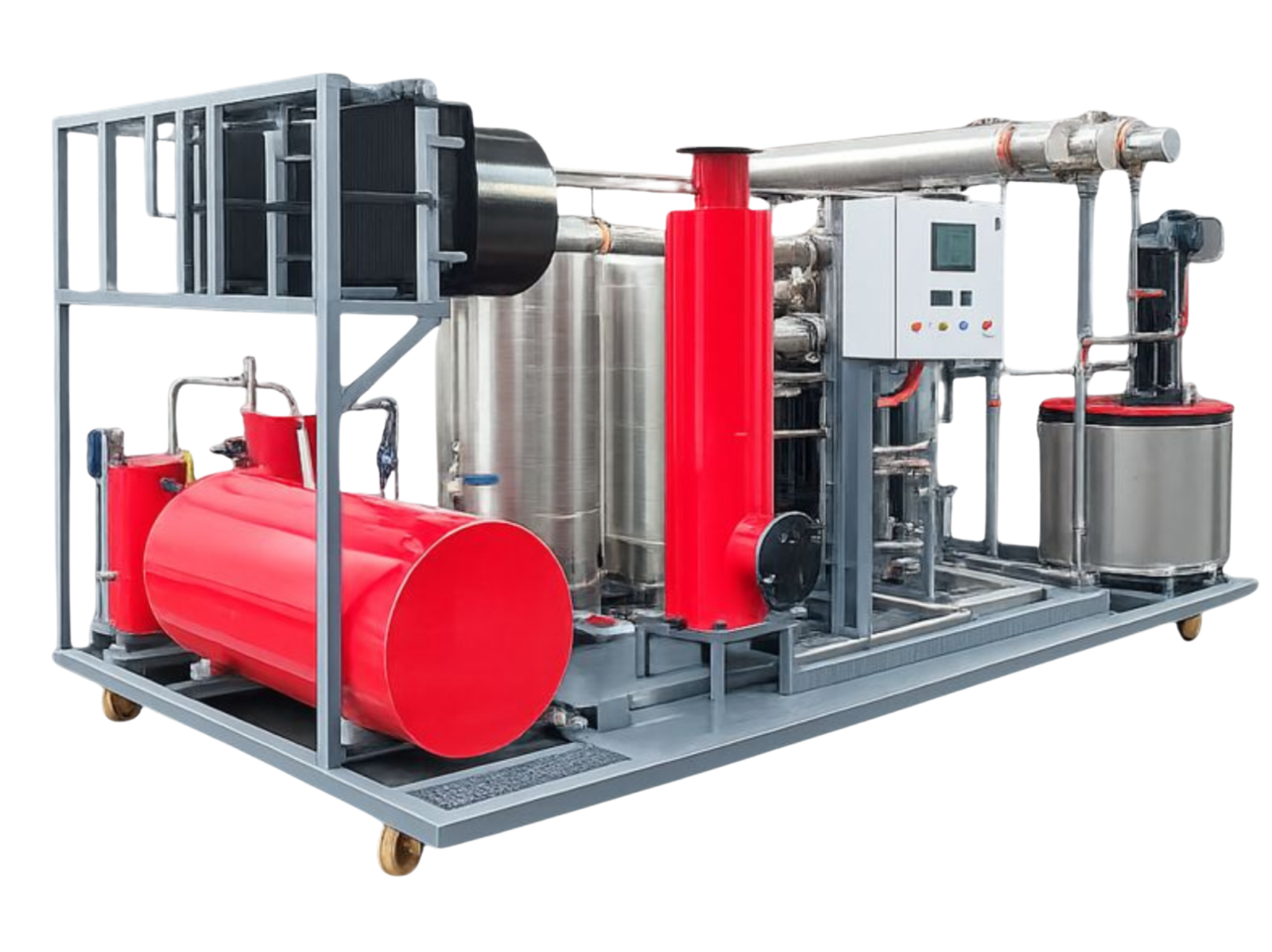 Waste Oil to Diesel Machine
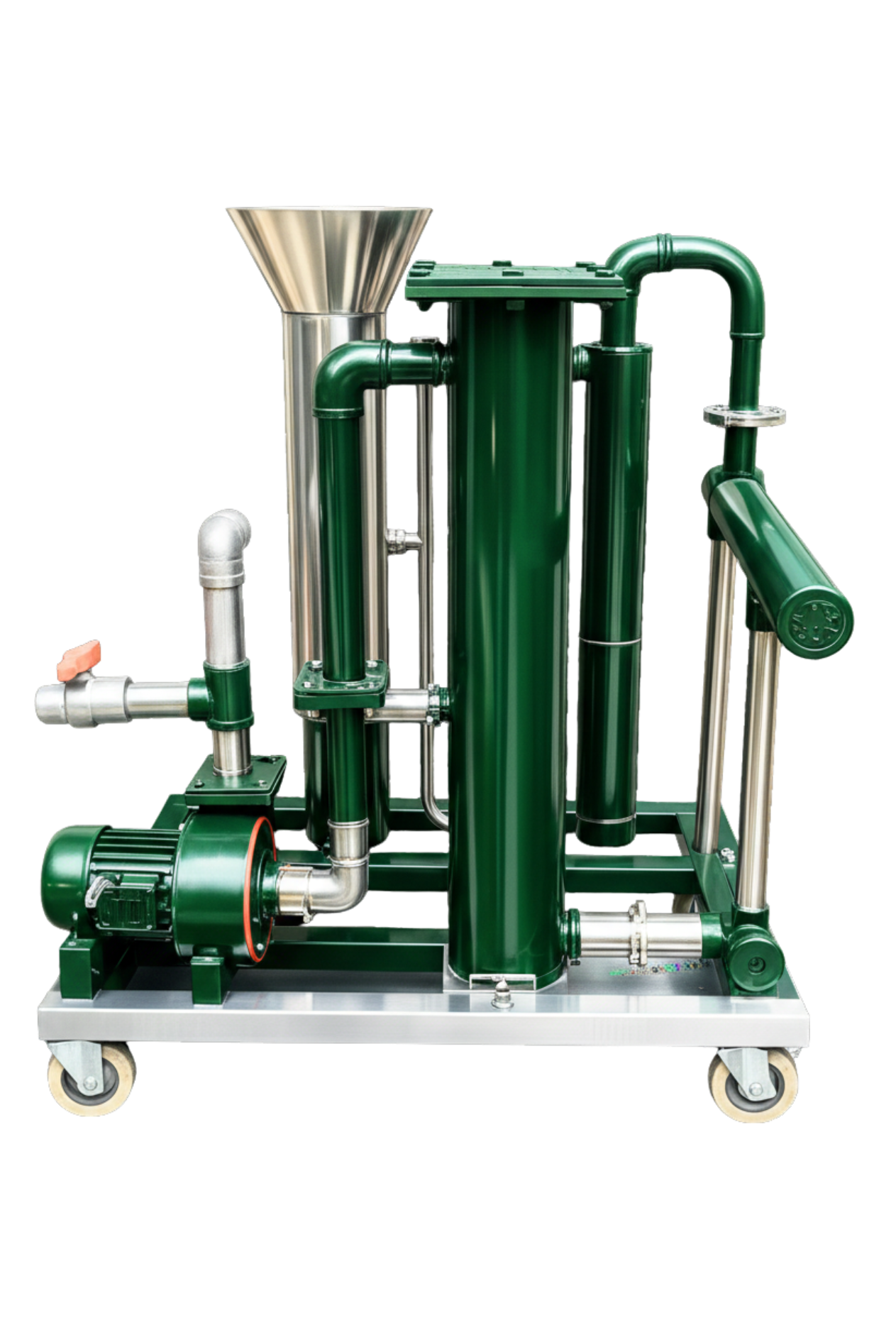 Biomass Gasifier