
Coconut shells are a valuable biomass resource that can be used to generate energy through gasification. For businesses operating in coconut-producing regions, a Coconut Shell Gasifier offers an opportunity to convert suitable agricultural waste into producer gas for power generation and industrial heating.
Instead of treating coconut shells as waste, businesses can explore their potential as a fuel source for biomass energy projects. With appropriate feedstock preparation and gasification technology, coconut shells can support energy production for manufacturing facilities, agro-processing industries, and other commercial operations.
A Coconut Shell Gasifier is particularly relevant in regions with consistent access to coconut-processing residues, including India, Indonesia, the Philippines, Sri Lanka, Thailand, and other coconut-producing markets.
Understanding how the technology works, what feedstock preparation is required, and how to select suitable equipment can help businesses plan their biomass energy projects more effectively.

WHAT IS A COCONUT SHELL GASIFIER?
A Coconut Shell Gasifier is a system that converts suitable coconut shells into combustible producer gas through a controlled thermochemical process.
Unlike direct combustion, which burns biomass primarily to produce heat, gasification converts solid biomass into a gas that can be used in compatible energy systems.
The resulting producer gas contains combustible components, including carbon monoxide, hydrogen, and methane. Its composition depends on the feedstock and operating conditions.
A Coconut Shell Gasifier can support applications such as:
- Power generation using a compatible generator system
- Industrial heating
- Boiler and furnace applications with suitable gas-burning equipment
- Energy production for agro-processing facilities
- Biomass-based energy projects
The appropriate system depends on the available coconut shells, required energy output, and intended application.
HOW DOES A COCONUT SHELL GASIFIER WORK?
The Coconut Shell Gasifier operates through controlled thermal conversion. The process involves preparing the biomass, feeding it into the gasifier, generating producer gas, and directing the gas towards a suitable energy application.
1. COCONUT SHELL COLLECTION
The process begins with collecting coconut shells from coconut-processing facilities, food industries, agricultural operations, and other suitable sources.
A reliable supply of feedstock is important for maintaining consistent operation.
2. FEEDSTOCK PREPARATION
Coconut shells must be prepared according to the gasifier’s requirements.
Depending on the equipment, preparation may involve reducing the shell size, removing unwanted materials, and controlling moisture content.
Veera’s listed gasifier models specify feedstock moisture below 15% and particle sizes up to 50 mm. Buyers should confirm the specific requirements for the selected model.
3. CONTROLLED GASIFICATION
The prepared coconut shells enter the gasifier, where they undergo controlled thermochemical conversion under limited oxygen conditions.
This process generates producer gas rather than completely burning the biomass.
A suitable Coconut Shell Gasifier must be operated according to its specified feedstock and operating conditions.
4. GAS COOLING AND CLEANING
The generated gas may contain particulates and other unwanted substances.
Gas cooling and filtration help prepare the producer gas for its intended application. The required cleaning system depends on the gasifier design and the equipment using the gas.
5. ENERGY GENERATION
After suitable treatment, the producer gas can be directed towards a compatible generator or thermal application.
This creates an energy pathway from coconut shells to usable power or heat.
The complete system must be designed around the required output and the characteristics of the generated gas.
BENEFITS OF USING A COCONUT SHELL GASIFIER
A Coconut Shell Gasifier can provide several potential advantages for businesses with access to suitable coconut-shell feedstock.
Better biomass utilization: Coconut shells can be considered as a feedstock for energy recovery instead of being treated only as an agricultural residue.
Local energy opportunities: Businesses located near coconut-processing industries may benefit from having access to a locally available biomass resource.
Industrial energy applications: Producer gas can support compatible power-generation and heating systems.
Feedstock diversification: Coconut shells can be considered alongside other suitable biomass materials, subject to equipment requirements.
Support for biomass energy projects: Gasification provides another option for businesses evaluating renewable energy and agricultural waste utilization.
Actual performance and commercial benefits depend on feedstock availability, preparation requirements, equipment configuration, operating costs, and the intended energy application.
COCONUT SHELL GASIFIER FOR GLOBAL MARKETS
The commercial suitability of a Coconut Shell Gasifier depends heavily on the availability and cost of coconut shells in the target region.
INDIA
India has established coconut-producing and coconut-processing regions, including Kerala, Tamil Nadu, Karnataka, and Andhra Pradesh. Businesses in suitable locations can evaluate coconut-processing residues as a potential biomass feedstock.
INDONESIA AND THE PHILIPPINES
Coconut-processing activities in Indonesia and the Philippines create opportunities to assess coconut shells for industrial biomass applications. Project feasibility depends on local supply, transport costs, and competing uses for the material.
SRI LANKA AND THAILAND
Businesses in Sri Lanka and Thailand may also investigate coconut shells as a potential feedstock where sufficient quantities are available.
OTHER INTERNATIONAL MARKETS
In other countries, coconut shells may be available through agricultural processing, food production, or biomass supply chains. Buyers should assess the consistency and delivered cost of the feedstock before selecting a gasification system.
For international projects, a Coconut Shell Gasifier should be selected according to local biomass conditions rather than assuming that the same configuration will suit every market.
HOW TO CHOOSE THE RIGHT COCONUT SHELL GASIFIER
Selecting the right Coconut Shell Gasifier requires more than comparing machine specifications. Businesses should evaluate the entire energy project.
1. CHECK COCONUT SHELL AVAILABILITY
Estimate the quantity of coconut shells available daily and determine whether the supply will remain consistent throughout the year.
2. ASSESS MOISTURE AND PARTICLE SIZE
Confirm that the prepared shells meet the selected machine’s feedstock requirements. Additional preparation may be necessary depending on their condition.
3. DETERMINE YOUR ENERGY REQUIREMENT
Calculate the required electrical output or thermal energy demand before choosing the gasifier capacity.
4. REVIEW BIOMASS CONSUMPTION
Compare the machine’s specified feedstock input with the quantity of coconut shells available at your facility.
5. CONSIDER GAS CLEANING REQUIREMENTS
Review the cooling and filtration arrangements required for the intended power-generation or heating application.
6. EVALUATE THE COMPLETE PROJECT COST
Consider equipment costs, feedstock preparation, installation, electricity consumption, labour, maintenance, and other operating expenses.
7. CHECK TECHNICAL SUPPORT
Review the manufacturer’s specifications, warranty, installation guidance, and after-sales support before purchasing.
Businesses planning an industrial biomass project can explore the Biomass Gasification Power Plant solution from Veera Group to understand the available gasification options.
COCONUT SHELL GASIFIER VS OTHER BIOMASS GASIFIERS
A Coconut Shell Gasifier is designed around the use of coconut shells as a potential feedstock, while other biomass gasifiers may process materials such as wood chips, sawdust, rice husk, or agricultural residues.
The important distinction is not simply the name of the machine. It is whether the selected gasifier can process the actual biomass available at the project site.
| Factor | Coconut Shell Gasifier | Other Biomass Gasifiers |
|---|---|---|
| Primary feedstock | Coconut shells | Other suitable biomass materials |
| Feedstock preparation | Based on shell size and moisture | Depends on the biomass type |
| Gasifier selection | Must match coconut-shell characteristics | Must match the selected feedstock |
| Energy applications | Compatible power and heating systems | Compatible power and heating systems |
| Key consideration | Consistent coconut-shell supply | Consistent supply of the chosen biomass |
A Coconut Shell Gasifier should not automatically be assumed to handle every biomass material without adjustment. Feedstock compatibility must be confirmed with the equipment supplier.
WHY FEEDSTOCK QUALITY MATTERS
Feedstock quality directly influences the operation of a Coconut Shell Gasifier.
Moisture content, particle size, unwanted materials, and variations in the biomass can affect gasification performance.
Before investing in a system, businesses should establish a feedstock preparation plan that covers:
- Collection and storage
- Moisture control
- Particle-size requirements
- Removal of unsuitable materials
- Regular feedstock supply
- Handling of ash and other residues
These preparations help businesses assess whether coconut shells are a practical choice for their energy project.
WHY CONSIDER VEERA GROUP FOR BIOMASS GASIFICATION?
Veera Group manufactures biomass gasification systems designed to convert suitable solid biomass into producer gas for energy applications.
The company’s gasifier range includes different capacities for projects with varying biomass availability and energy requirements. Its listed feedstocks include coconut shells, wood chips, sawdust, rice husk, and other agricultural residues, subject to model specifications.
When evaluating a Coconut Shell Gasifier, buyers should discuss their feedstock characteristics, required output, and operating conditions with the supplier before finalizing a model.
This approach helps align equipment selection with the actual requirements of the project.
CONCLUSION
A Coconut Shell Gasifier provides a potential route for converting suitable coconut shells into producer gas for power generation and industrial heating.
For businesses in coconut-producing regions, the technology offers an opportunity to evaluate agricultural residues as a resource for biomass energy production.
However, a successful project requires careful consideration of feedstock availability, moisture content, particle size, gasifier capacity, gas cleaning, and the intended energy application.
Before investing, assess the available coconut-shell supply and match the equipment to your production requirements.
If you are planning a biomass energy project, explore the Biomass Gasification Power Plant page to learn more about Veera Group’s gasification solutions.
FREQUENTLY ASKED QUESTIONS
1. WHAT IS A COCONUT SHELL GASIFIER?
A Coconut Shell Gasifier converts suitable coconut shells into combustible producer gas through controlled thermochemical conversion. The gas can be used in compatible power-generation and heating systems.
2. CAN COCONUT SHELLS BE USED FOR POWER GENERATION?
Yes. Coconut shells can be gasified to produce producer gas for power generation when the gasifier is integrated with a compatible generator and supporting equipment.
3. WHAT PREPARATION DO COCONUT SHELLS REQUIRE?
Preparation depends on the gasifier model. It may include controlling moisture, reducing particle size, and removing unwanted materials.
4. WHICH INDUSTRIES CAN CONSIDER A COCONUT SHELL GASIFIER?
Coconut-processing facilities, agro-industries, manufacturing plants, and other businesses with suitable biomass supplies may evaluate a Coconut Shell Gasifier for their energy requirements.
5. HOW DO I SELECT THE RIGHT COCONUT SHELL GASIFIER?
Consider daily feedstock availability, moisture content, particle size, required power or heat output, gas cleaning requirements, operating costs, and supplier support.

 Waste Oil to Diesel Machine
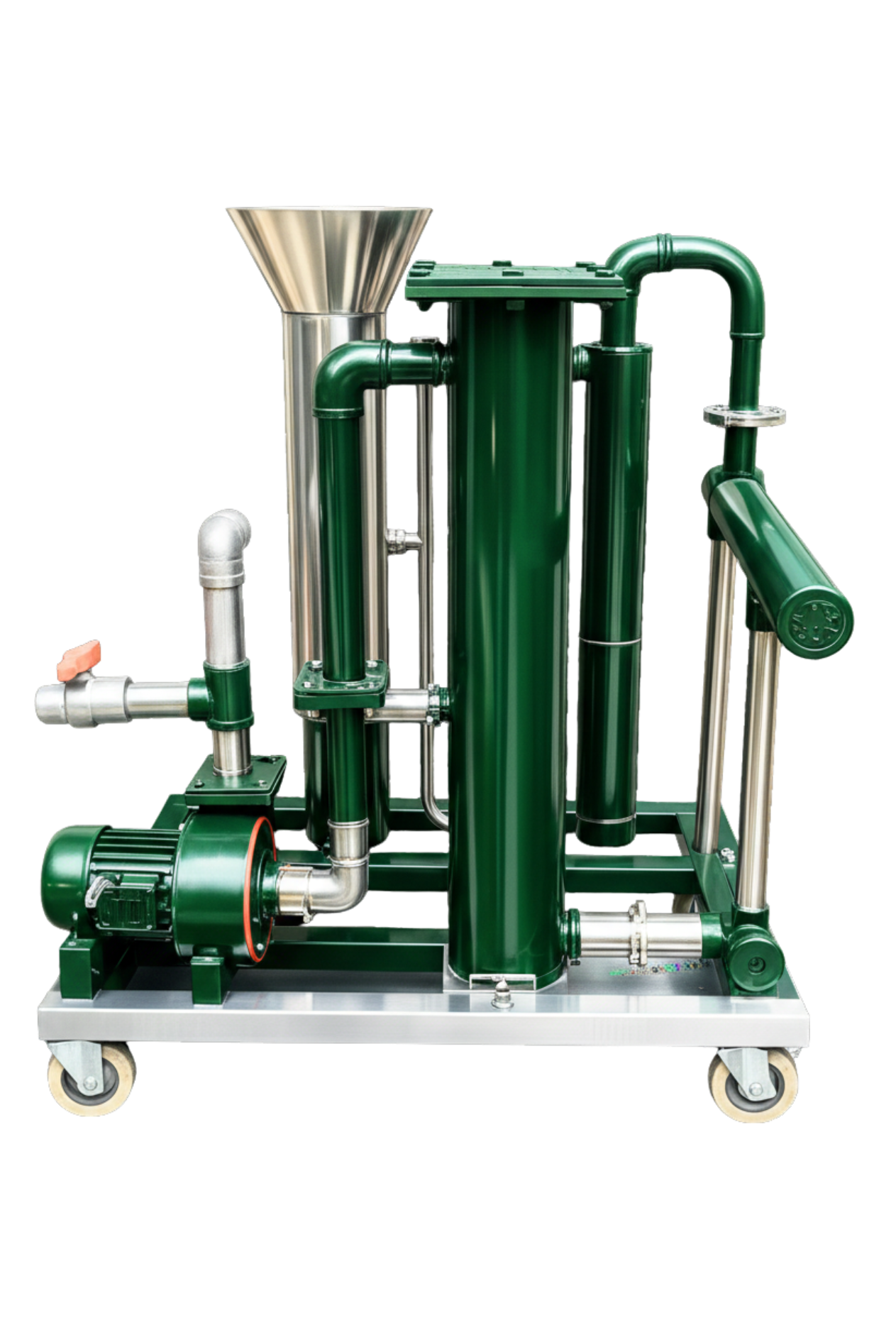 Biomass Gasifier