
Introduction
Have you ever gazed at your plastic garbage and asked yourself — “What if this could be converted into fuel rather than being dumped in landfills?” In France, that vision is now a reality — courtesy of the Plastic Pyrolysis Machine in France, a cutting-edge technology that converts common plastic garbage into clean valuable energy. With reliable engineering, tested performance, and France’s aggressive sustainability agendas, municipalities and industries are quickly embracing plastic pyrolysis machinery to recycle waste into energy, increase recycling levels, and propel the country’s circular economy into top gear. If you’re an industrial operator, recycler, local government, or investor, this handbook will provide you with an explanation of all you need to know before purchasing or installing a Plastic Pyrolysis Machine in France — from the working principle to why it is the future of eco-friendly innovation.Have you ever looked at your plastic trash cans and thought:
“What if this could be converted into fuel rather than landfill?”
In France, that vision is no longer a far-off dream beyond — it’s turning into reality thanks to the Plastic Pyrolysis Machine in France.
With genuine expertise, reliable technology, and growing sustainability goals, French industries are implementing plastic pyrolysis equipment to convert waste into energy, helping the French circular economy while meeting carbon-reduction targets.
If you’re an industrial operator, municipality, recycling company, or investor — this blog will guide you through everything you need to know before buying and installing a plastic pyrolysis machine in France.
What Is a Plastic Pyrolysis Machine in France?
A Plastic Pyrolysis Machine in France is an industrial device that decomposes plastic waste in an oxygen-free environment to produce pyrolysis oil, syngas, carbon black, and other useful by-products.
Unlike ordinary machines, French plastic pyrolysis systems must comply with:
-
French and EU waste laws
-
The EU Circular Economy Action Plan
-
Local industrial carbon-reduction policies
When you install a plastic pyrolysis plant in France, you’re not just recycling — you’re contributing to France’s renewable energy vision and long-term sustainability leadership.
Why the French Market Is Ready for a Plastic Pyrolysis Machine
Robust Regulatory and Policy Support
France follows the EU Waste Framework Directive and Circular Economy Action Plan, which push for higher recycling rates and reduced landfilling.
These regulations make a plastic pyrolysis machine in France a strategic solution to meet low-carbon goals.
Market Growth and Investment Opportunity
The global plastic pyrolysis market is projected to reach USD 10.1 billion by 2032, with Europe as a major hub.
France, with its advanced industrial infrastructure and recycling potential, is a prime location for investment in plastic pyrolysis plants.
Waste Feedstock Availability
France generates millions of tons of plastic waste annually from homes and industries.
A plastic pyrolysis machine in France enables local recycling — reducing export costs and creating green jobs.
Circular Economy and Local Credibility
Owning a plastic pyrolysis plant in France boosts your “Made in France” reputation and demonstrates leadership in sustainability and innovation.
It’s not just technology — it’s a statement of responsibility and progress.
How Does a Plastic Pyrolysis Machine in France Work?
1. Feedstock Preparation
Feedstock includes waste plastics such as polyethylene (PE), polypropylene (PP), or mixed plastics.
Proper sorting and documentation are mandatory under French waste chain regulations.
2. Pre-Treatment and Cleaning
Before plastics enter the reactor, contaminants like metals, chlorine, and moisture are removed to ensure emission control compliance.
3. Reactor and Pyrolysis Process
Inside the plastic pyrolysis reactor, plastics are heated above 400°C in an oxygen-starved environment, producing pyrolysis oil, gas, and carbon black.
Modern European machines are highly efficient, with advanced reactor and condensing systems.
4. Product Recovery and Refinement
The resulting oil and gas can be used for industrial fuel or sold to energy markets.
Some French systems already refine crude oil equivalents through pyrolysis.
5. Emissions Control and Compliance
A plastic pyrolysis machine in France must meet strict environmental standards, including emission monitoring, filtration, and safety protocols.
6. Storage and Utilization
The produced oil and gas are stored safely and can be used in industrial heating systems or blended with other fuels.
Top 12 Benefits of Installing a Plastic Pyrolysis Machine in France
1. Waste Reduction
Keeps plastics out of landfills and incinerators while recovering energy.
2. Cost Savings
Reduces waste transport and disposal costs for French municipalities.
3. Revenue Streams
Generates income from selling by-products like oil or carbon black.
4. Carbon Footprint Reduction
Supports France’s net-zero emissions targets.
5. Local Employment
Creates skilled jobs in engineering, operations, and waste management.
6. Regulatory Compliance
Aligns with EU waste and energy directives.
7. Feedstock Flexibility
Processes multiple types of plastic waste.
8. Energy Recovery
Utilizes syngas for on-site power generation.
9. Brand Trust
Enhances corporate sustainability and ESG credentials.
10. Scalability
Expandable from pilot to full-scale plant.
11. Advanced Technology
Modern systems offer automation and higher yields.
12. Circular Economy Leadership
Positions your company as a waste-to-resource pioneer in France.
Challenges & How to Overcome Them
1. Initial Investment Costs
Large capital is needed for equipment, setup, and training.
Tip: Start small with modular systems and apply for French green subsidies.
2. Feedstock Quality
Inconsistent waste plastics can reduce performance.
Tip: Secure long-term supply contracts with local recyclers.
3. Regulatory Complexity
France enforces strict environmental permits.
Tip: Work with EHS consultants and maintain compliance reports.
4. Technical Maintenance
Requires trained operators.
Tip: Partner with experienced European manufacturers.
5. Market Competition
Technology evolves quickly.
Tip: Invest in upgradable, scalable machines.
Best Practices for Installing a Plastic Pyrolysis Machine in France
-
Choose the right capacity based on available waste volume
-
Ensure design flexibility for different plastic types
-
Maintain legal feedstock documentation
-
Prioritize emission control and environmental compliance
-
Regularly test product quality
-
Integrate your system into existing energy networks
-
Plan for maintenance and spare parts
-
Seek EU/French government incentives
-
Publicize your sustainability achievements
Real-Life Example: A 12 TPD Plastic Pyrolysis Plant in France
In 2020, a 12 Tons Per Day (TPD) plastic pyrolysis plant was successfully installed in France — a proof that pyrolysis technology is both commercially viable and environmentally beneficial.
This case study shows how French operations can transform plastic waste into reusable energy while supporting the circular economy.
Future Outlook: The Opportunity Ahead
Integration into France’s Circular Economy
By 2030, France aims to be a low-waste economy.
A plastic pyrolysis machine in France directly contributes to that mission.
Partnership Opportunities
Collaboration with local governments, recyclers, and energy providers increases credibility and network growth.
Technology Evolution
Modern systems offer continuous operation, automation, and IoT-based monitoring for efficiency and scalability.
Brand and Market Leadership
Companies deploying plastic pyrolysis machines in France are gaining green leadership status and higher brand trust.
FAQs – Plastic Pyrolysis Machine in France
1. Can it recycle all plastic types?
It depends on your feedstock — mainly PE, PP, and mixed plastics with proper pre-treatment.
2. What is the typical capacity?
Ranges from small 1–5 TPD units to large 12–50 TPD continuous plants.
3. Can the oil be used directly as fuel?
Yes, after quality testing and potential refinement.
4. What are the regulations?
French waste and emission laws require documentation and permits under EU standards.
5. What is the ROI period?
Typically 3–7 years, depending on feedstock costs and production scale.
Conclusion – France’s Path to a Circular Future
If you want to transform plastic waste into value, installing a plastic pyrolysis machine in France is a smart move.
With strong regulatory support, proven success stories, and advancing technology, France is ready for a waste-to-fuel revolution.
Your investment won’t just bring profits — it’ll position you as a leader in France’s green transition.

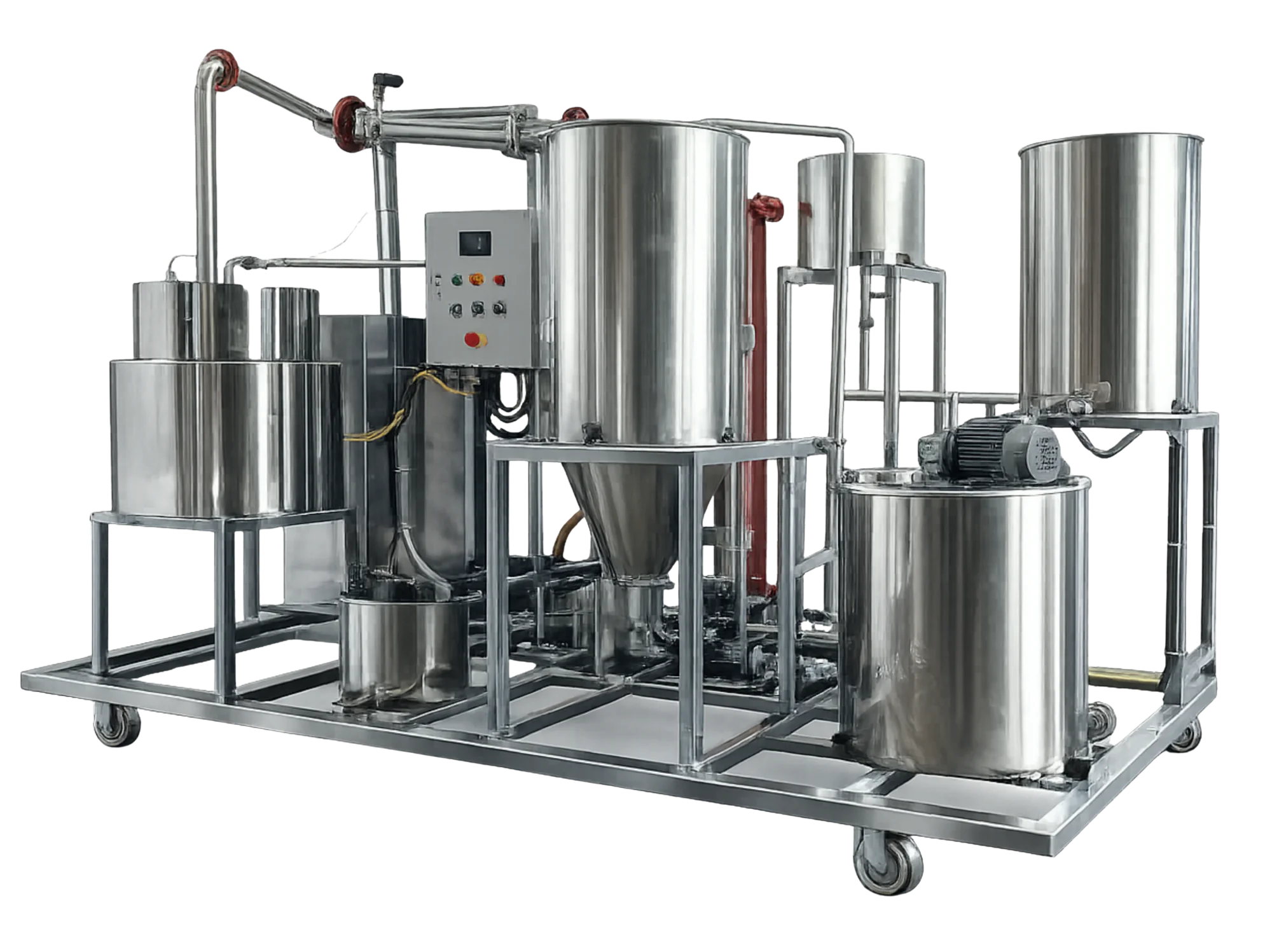
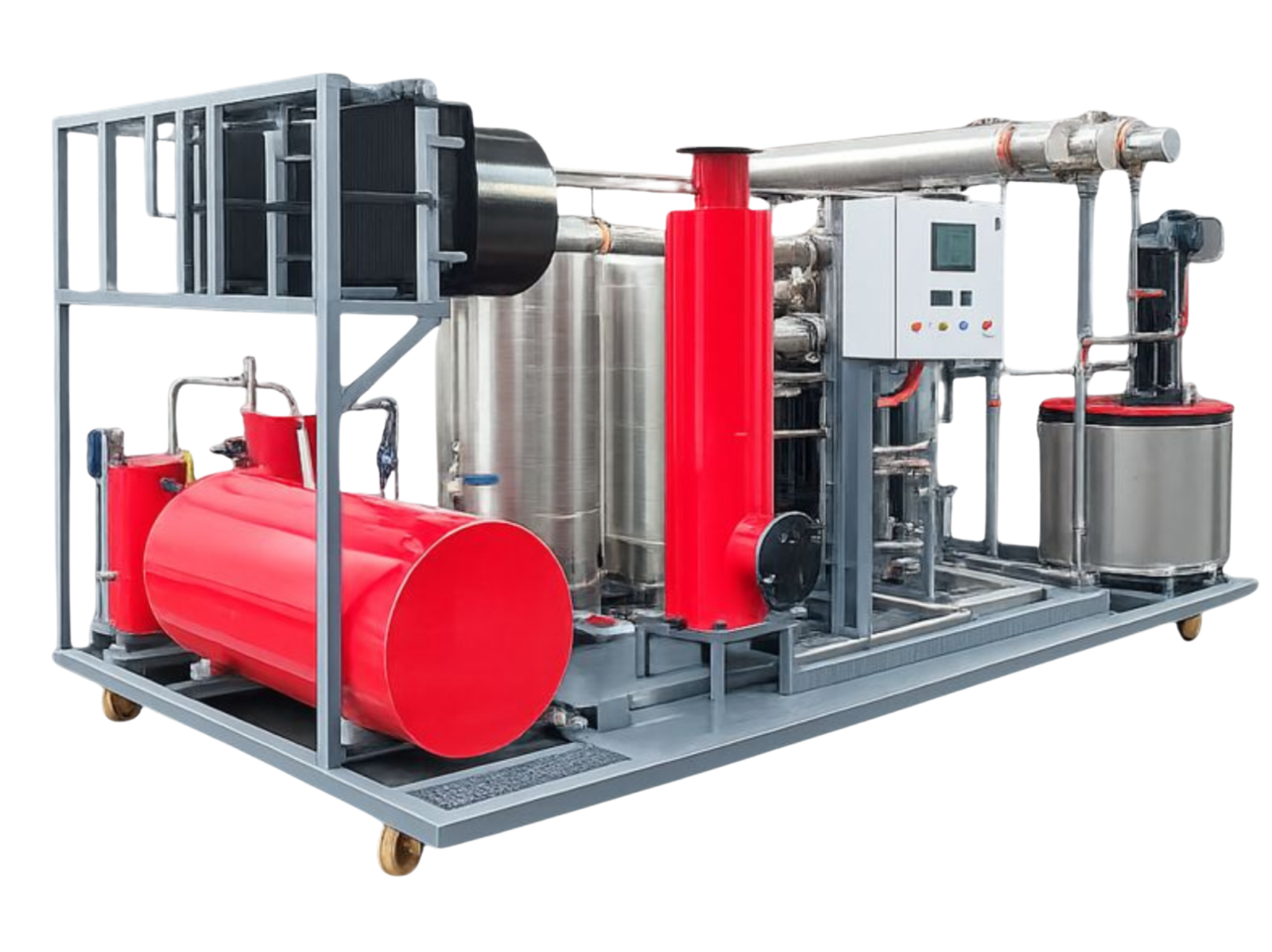 Waste Oil to Diesel Machine
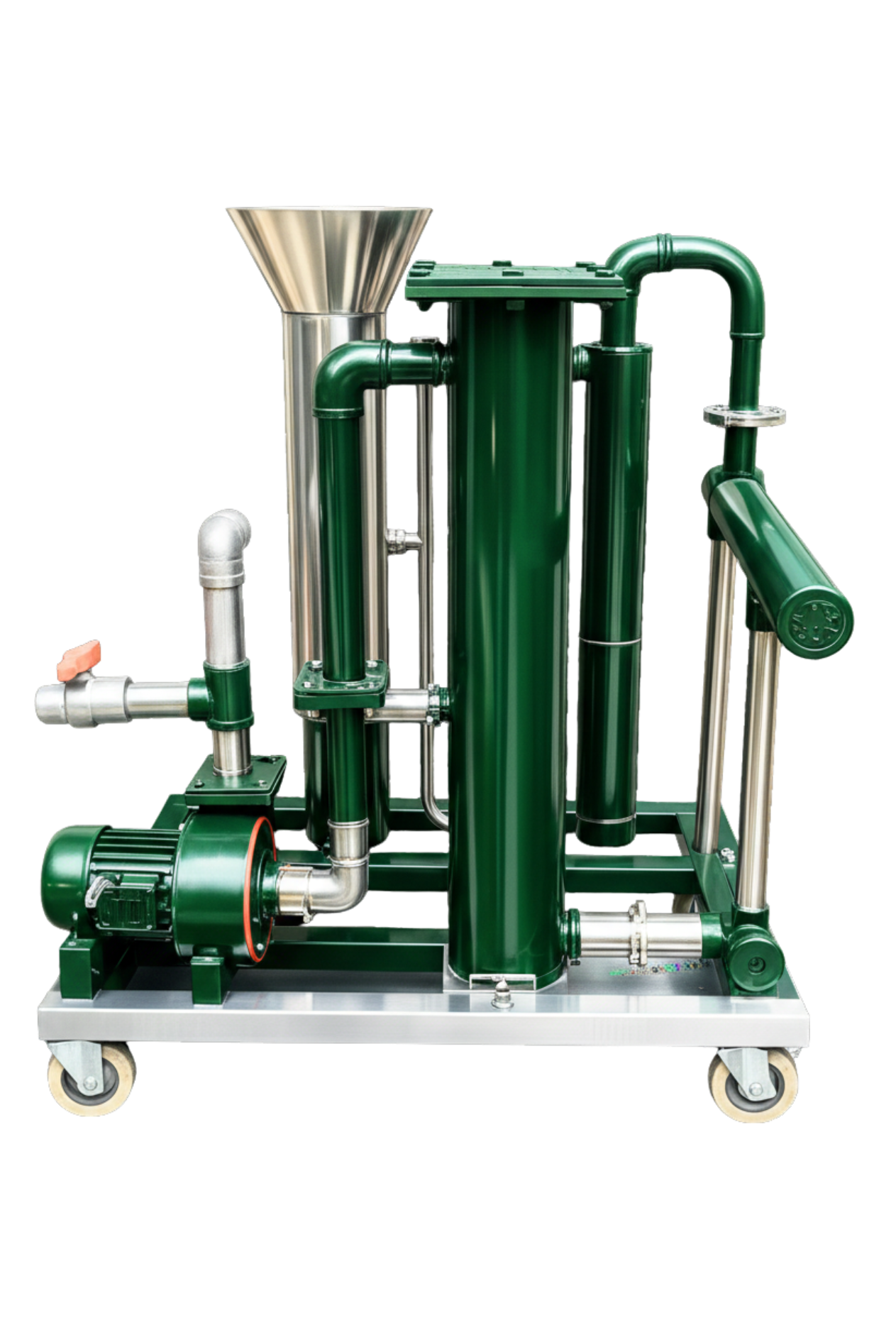 Biomass Gasifier