
Used engine oil is generated from vehicles, engines, machinery, workshops, and industrial maintenance operations. Instead of treating this oil as an unwanted waste material, it can be processed through a suitable Used Engine Oil Recycling Process to separate contaminants and recover valuable oil fractions.
A well-designed recycling system can include stages such as collection, filtration, dewatering, heating, distillation, condensation, and final oil separation. The exact process depends on the quality of the used oil and the desired recovered product.
Understanding the Used Engine Oil Recycling Process helps businesses evaluate their waste-oil handling requirements and select suitable recycling machinery.

WHAT IS USED ENGINE OIL RECYCLING?
The Used Engine Oil Recycling Process is a series of treatment and separation stages used to remove unwanted substances from used engine oil.
During engine operation, oil can accumulate:
- Dirt and suspended solids
- Water
- Fuel residues
- Carbon deposits
- Metal particles
- Degraded additives
- Other contaminants
Recycling focuses on separating these unwanted materials from the usable oil fractions.
For businesses handling significant quantities of waste oil, an appropriate Engine Oil Recycling Machine can provide a structured solution for processing collected used oil.
WHY IS USED ENGINE OIL RECYCLING IMPORTANT?
The Used Engine Oil Recycling Process allows businesses to recover value from waste oil while improving waste-management practices.
Instead of simply storing large quantities of used oil, businesses can process the material through an appropriate recycling system.
Key benefits include:
- Recovery of useful oil fractions
- Reduction of waste-oil volume
- Better utilization of collected used oil
- Potential recovery of reusable oil products
- More organized industrial waste management
The commercial value of recycling depends on the feedstock quality, processing technology, operating costs, and final product requirements.
MAIN STEPS IN THE USED ENGINE OIL RECYCLING PROCESS
The Used Engine Oil Recycling Process can involve several stages. The exact configuration depends on the recycling system and the required output.
1. USED OIL COLLECTION
The first stage is collecting used engine oil from suitable sources.
Typical sources can include:
- Automobile workshops
- Vehicle service centres
- Fleet maintenance facilities
- Industrial machinery
- Heavy equipment
- Engine maintenance operations
The collected oil should be stored and handled properly before entering the recycling system.
2. FEEDSTOCK INSPECTION
Before processing, the collected oil should be inspected to understand its condition.
The amount of water, solids, fuel contamination, and other unwanted materials can vary between different sources.
Understanding the feedstock helps determine the appropriate treatment approach.
3. FILTRATION
Filtration is an important part of the Used Engine Oil Recycling Process.
During this stage, larger suspended particles and solid contaminants can be separated from the oil.
Removing these materials helps prepare the feedstock for subsequent processing stages.
4. DEWATERING
Used engine oil may contain water due to contamination, storage conditions, or engine operation.
The dewatering stage removes water from the feedstock before further thermal processing.
Proper preparation of the oil helps improve the consistency of the subsequent recycling stages.
5. HEATING
After pretreatment, the oil can be heated in a controlled manner according to the selected processing technology.
Heating prepares the different components of the waste oil for separation.
Temperature control is an important consideration when designing the Used Engine Oil Recycling Process.
6. DISTILLATION AND SEPARATION
Distillation can be used to separate oil components according to their boiling characteristics.
The process allows different fractions to be separated from heavier residues and contaminants.
Depending on the plant configuration, vacuum distillation or other separation technologies may be incorporated into the system.
7. CONDENSATION
Separated vapours are cooled and condensed into liquid fractions.
The recovered liquid is then collected for further treatment or storage according to the intended application.
The condensation stage plays an important role in recovering useful fractions from the thermal separation process.
8. FINAL PROCESSING AND STORAGE
After separation, the recovered oil may undergo additional treatment depending on the desired product quality.
The finished product can then be stored in suitable tanks for further use or downstream processing.
WHAT PRODUCTS CAN BE RECOVERED?
The output of a Used Engine Oil Recycling Process depends on the selected technology, feedstock quality, and processing configuration.
A recycling system may be designed to recover useful oil fractions while separating water, light components, and heavier residues.
The intended end product should be clearly defined before selecting the recycling equipment.
For businesses planning a complete waste-oil processing project, the Engine Oil Recycling Machine can be selected according to the required capacity and processing requirements.
FACTORS THAT AFFECT THE RECYCLING PROCESS
Several factors can influence the performance of the Used Engine Oil Recycling Process.
Feedstock Quality
Used oil from different sources can have different levels of contamination. Consistent feedstock quality can make process planning easier.
Water Content
High water content can affect the initial treatment and dewatering requirements.
Solid Contamination
Dirt, carbon deposits, and other suspended particles may require effective filtration before thermal processing.
Processing Capacity
The amount of used oil available per day should be considered when selecting machine capacity.
Desired Output
The intended recovered product influences the required processing stages and equipment configuration.
HOW TO CHOOSE AN ENGINE OIL RECYCLING MACHINE
Businesses planning a Used Engine Oil Recycling Process should consider several factors before purchasing machinery.
1. Determine your feedstock: Identify where the used oil will come from and its typical condition.
2. Calculate daily volume: Estimate how much used engine oil is available for processing.
3. Define the target output: Decide what type of recovered oil product the project requires.
4. Select suitable capacity: Choose equipment that matches the available feedstock and production requirement.
5. Review the complete system: Consider filtration, dewatering, distillation, condensation, storage, and other required stages.
6. Check supplier support: Review technical assistance, warranty, delivery, and after-sales support.
For businesses looking for suitable machinery, explore the Engine Oil Recycling Machine solution offered by Veera Group.
BATCH VS CONTINUOUS PROCESSING
The Used Engine Oil Recycling Process can be designed around different operating configurations.
Batch systems process a defined quantity of oil during each cycle. They can be suitable for businesses that prefer controlled production batches.
Continuous systems are designed for ongoing processing and can be considered where there is a consistent supply of used oil and a requirement for regular production.
The appropriate configuration depends on feedstock availability, production requirements, and project scale.
COMMON CHALLENGES IN USED ENGINE OIL RECYCLING
Businesses should consider several practical challenges when planning a Used Engine Oil Recycling Process.
These can include:
- Variation in waste-oil quality
- High water content
- Solid contamination
- Storage and handling requirements
- Process residue management
- Selecting the correct processing capacity
- Maintaining consistent output quality
Proper feedstock assessment and suitable equipment selection can help businesses plan the recycling operation more effectively.
WHY PROPER EQUIPMENT SELECTION MATTERS
Selecting the right machine is an important part of establishing a successful Used Engine Oil Recycling Process.
A machine that is too small may not handle the available feedstock volume, while an oversized system may not be suitable for a smaller operation.
The selection should therefore consider:
- Available oil quantity
- Feedstock condition
- Required output
- Processing method
- Production schedule
- Future expansion
Businesses should evaluate the complete system rather than choosing equipment based only on its initial cost.
USED ENGINE OIL RECYCLING PROCESS FOR INDUSTRIAL APPLICATIONS
The Used Engine Oil Recycling Process can be relevant to businesses that generate or collect substantial quantities of waste engine oil.
Potential users can include:
- Automotive service businesses
- Fleet operators
- Industrial maintenance companies
- Machinery operators
- Waste-oil collection businesses
- Oil recycling facilities
The appropriate machine configuration depends on the specific feedstock and production requirement.
CONCLUSION
The Used Engine Oil Recycling Process provides a structured approach to recovering useful oil fractions from waste engine oil.
The process can involve collection, inspection, filtration, dewatering, heating, distillation, condensation, and final processing. The exact stages depend on the feedstock and desired output.
For businesses planning a waste-oil recycling project, the most important steps are to understand the available feedstock, determine the required processing capacity, define the target output, and select suitable machinery.
To explore machinery for your project, visit the Engine Oil Recycling Machine page.
FREQUENTLY ASKED QUESTIONS
1. WHAT IS THE USED ENGINE OIL RECYCLING PROCESS?
The Used Engine Oil Recycling Process involves treating used engine oil to remove water, solids, contaminants, and unwanted fractions while recovering useful oil components.
2. WHAT ARE THE MAIN STEPS IN USED ENGINE OIL RECYCLING?
The main stages can include collection, filtration, dewatering, heating, distillation, condensation, and final processing.
3. CAN USED ENGINE OIL BE RECYCLED INTO USEFUL OIL PRODUCTS?
Yes. Suitable recycling technology can separate and recover useful oil fractions from used engine oil. The final product depends on the processing system and feedstock quality.
4. WHAT FACTORS AFFECT THE USED ENGINE OIL RECYCLING PROCESS?
Feedstock quality, water content, solid contamination, processing capacity, technology, and the desired final product can all affect the process.
5. HOW DO I SELECT THE RIGHT ENGINE OIL RECYCLING MACHINE?
Consider the quantity and quality of your used oil, required output, processing capacity, operating method, and complete system requirements before selecting a machine.

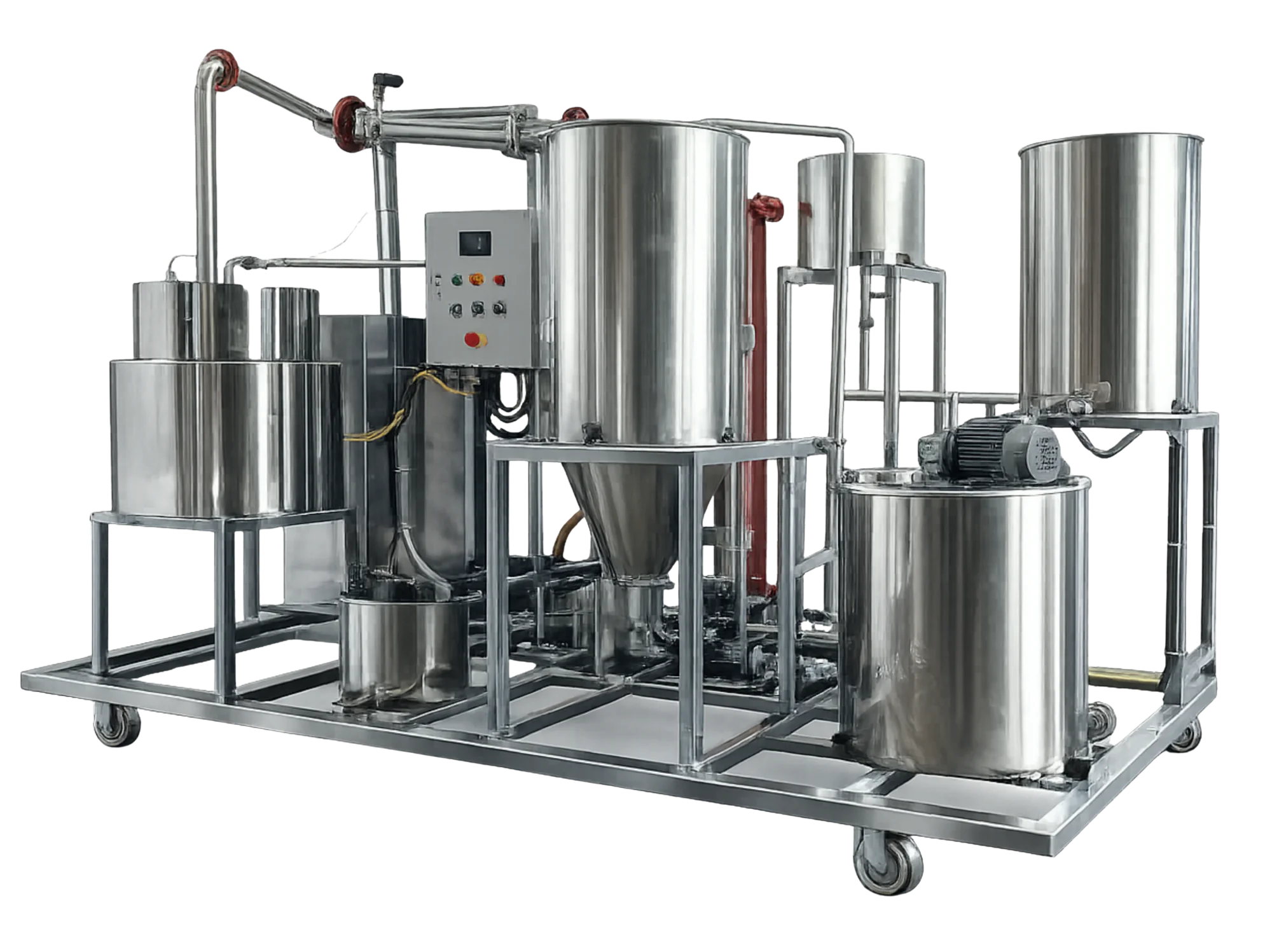
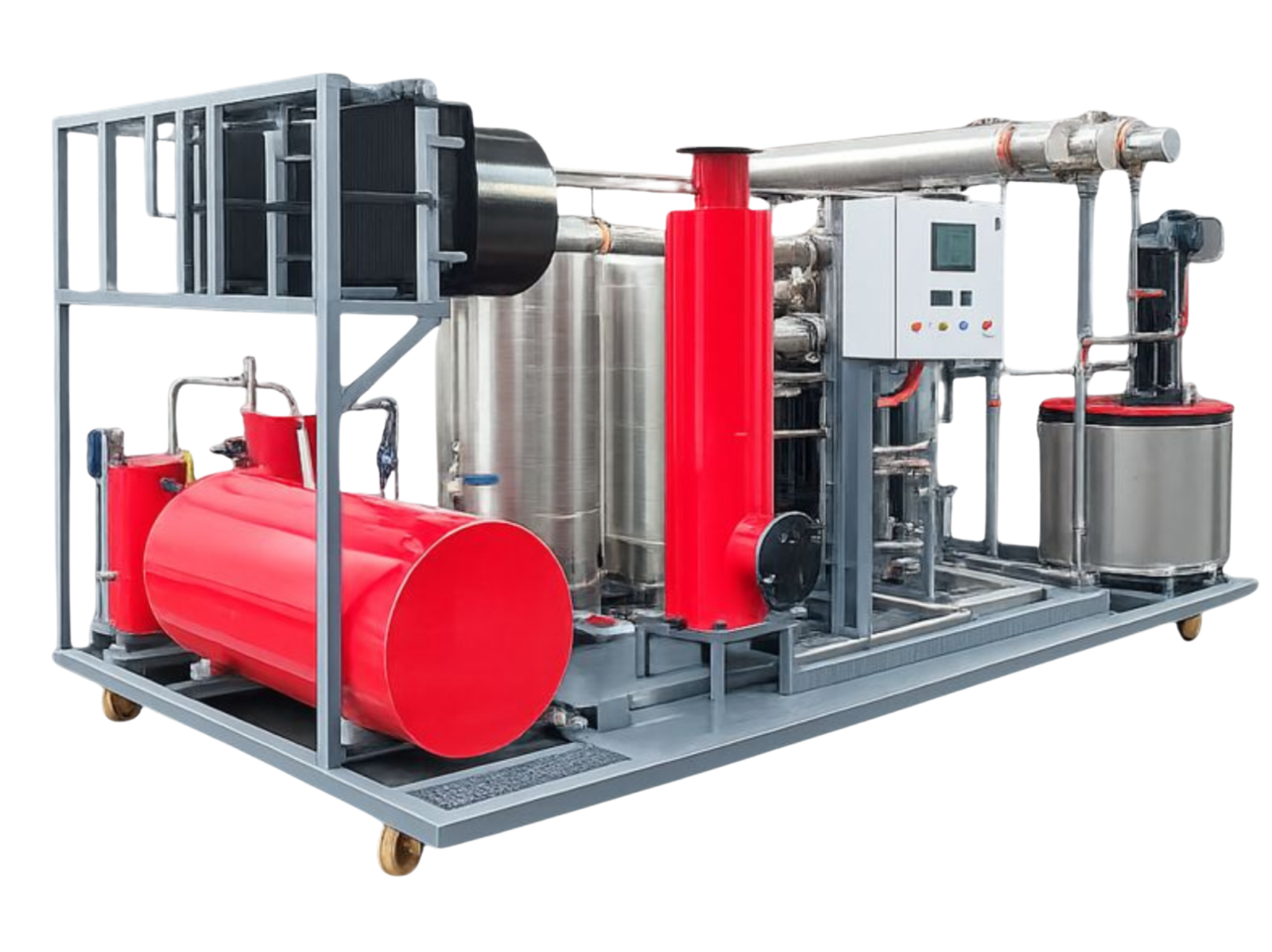 Waste Oil to Diesel Machine
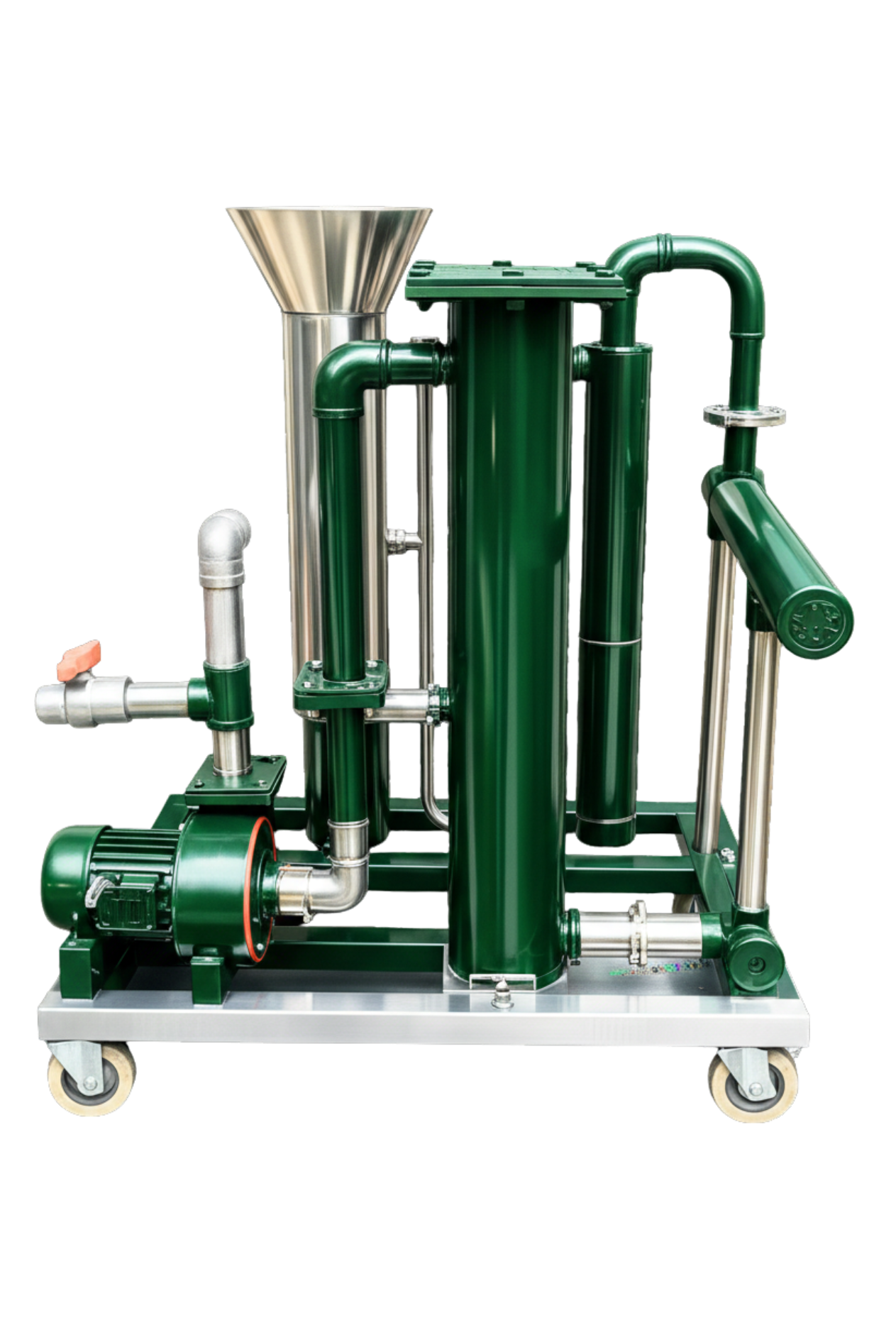 Biomass Gasifier