
What Is Biomass Carbonization is an important question for industries looking at ways to convert suitable biomass residues into a stable carbon-rich material. Biomass carbonization is a controlled thermal process in which biomass is heated under limited oxygen conditions so that it does not simply burn away.
During this process, biomass undergoes a series of physical and chemical changes. Moisture is removed, volatile components are released, and the remaining solid material becomes richer in carbon.
In simple terms, What Is Biomass Carbonization can be understood as the controlled heating of suitable biomass to produce a carbon-rich solid material called char or biochar.
Materials such as sawdust, coconut shells, wood bark, leaves, grass and other suitable biomass can be considered as feedstocks for carbonization.

WHY IS BIOMASS CARBONIZED INSTEAD OF BURNED?
To understand What Is Biomass Carbonization, it is useful to compare carbonization with ordinary burning.
When biomass is burned with sufficient oxygen, the material is mainly converted into heat, gases and ash.
Carbonization takes a different approach. The biomass is exposed to controlled heating with restricted oxygen. This allows a larger portion of the carbon-rich solid structure to remain after the volatile components are driven off.
The basic difference is:
COMBUSTION
BIOMASS → OXYGEN + BURNING → HEAT + GASES + ASH
CARBONIZATION
BIOMASS → CONTROLLED HEATING + LIMITED OXYGEN → CARBON-RICH SOLID
That controlled environment is the foundation of What Is Biomass Carbonization.
The purpose is not simply to destroy the biomass. It is to transform it into another material that can have useful applications.
WHAT HAPPENS TO BIOMASS DURING CARBONIZATION?
The answer to What Is Biomass Carbonization becomes clearer when the stages inside the process are considered.
The transformation can generally be understood through several stages:
BIOMASS PREPARATION
The incoming material is prepared according to the requirements of the carbonization system.
MOISTURE REMOVAL
Heat drives moisture out of the biomass.
THERMAL DECOMPOSITION
As the temperature increases, organic components begin to break down and volatile materials are released.
CARBONIZATION
The remaining solid structure becomes progressively richer in carbon under the controlled oxygen-limited environment.
CHAR COLLECTION
The resulting carbonized material is collected for its intended application.
Veera’s carbonization systems use dry carbonization, with batch and continuous configurations available across its range.
WHICH BIOMASS MATERIALS CAN BE CARBONIZED?
A major part of What Is Biomass Carbonization is understanding the feedstock.
Biomass is not a single uniform material. Different residues have different moisture levels, density, particle sizes and chemical compositions.
Veera lists suitable carbonization feedstocks including:
- Sawdust
- Coconut shells
- Wood bark
- Leaves
- Grass
- Other suitable biomass materials
This means What Is Biomass Carbonization should always be considered together with the specific biomass being processed.
For example, a system designed around a particular feedstock may require different preparation conditions when the material changes. Before selecting equipment, the actual biomass should therefore be evaluated rather than assuming that every residue will behave in exactly the same way.
HOW DOES MOISTURE AFFECT BIOMASS CARBONIZATION?
If you are researching What Is Biomass Carbonization, moisture is one of the practical factors that should not be overlooked.
Wet biomass requires additional energy to remove its moisture before effective carbonization can take place. This can influence the operating conditions, processing time and overall material balance.
Veera’s continuous BP 100 C and BP 200 C specifications indicate biomass moisture of up to 30%.
The actual preparation requirement depends on the selected model and feedstock.
This is why a proper carbonization project starts with questions such as:
- What biomass is available?
- How much is available?
- What is its moisture content?
- What is the particle size?
- How consistently can the feedstock be supplied?
These factors help determine whether the selected Biochar Making Machine is appropriate for the intended operation.
WHAT IS THE DIFFERENCE BETWEEN BATCH AND CONTINUOUS CARBONIZATION?
Another important part of What Is Biomass Carbonization is the difference between production methods.
BATCH CARBONIZATION
In a batch system, a quantity of biomass is loaded into the furnace and processed for a defined cycle. Once the cycle is completed, the carbonized material is removed before another batch is processed.
Veera’s BP 200 SC Mini, for example, is a batch horizontal dry-carbonization system with approximately 600 kg/day raw input, around 200 kg/day char output, and a 3–4 hour batch cycle.
CONTINUOUS CARBONIZATION
A continuous system is designed to process biomass on an ongoing basis rather than relying on individual batch cycles.
Veera lists the BP 100 C at 400 kg/hour biomass input and the BP 200 C at 800 kg/hour biomass input.
For anyone asking What Is Biomass Carbonization, the choice between batch and continuous operation is therefore connected to the required production scale and beyond feedstock availability.
WHAT PRODUCTS CAN COME FROM BIOMASS CARBONIZATION?
The carbonized solid produced from biomass can be used in different applications depending on its characteristics and the intended end use.
Veera identifies carbonized products for applications including:
AGRICULTURE AND SOIL IMPROVEMENT
Biochar can be used in agricultural and soil-related applications.
CHARCOAL APPLICATIONS
Carbonized material can be used for BBQ charcoal and industrial charcoal applications.
ACTIVATED CARBON RAW MATERIAL
Certain carbonized materials can serve as feedstock for activated-carbon production.
HEATING APPLICATIONS
Carbonized biomass can also have applications where carbon-based solid fuel is required.
Therefore, What Is Biomass Carbonization is not only a question about the process itself. It is also about what the resulting carbonized material is intended to become.
HOW MUCH CHAR CAN BIOMASS PRODUCE?
The output from What Is Biomass Carbonization cannot be represented by one universal conversion number because the result depends on the feedstock, operating conditions and machine configuration.
Veera’s catalog provides different examples across its equipment range.
The BP 200 SC Mini is listed at approximately 600 kg/day raw input and 200 kg/day char/biochar output.
The BP 1600 SC is listed with approximately 3–8 tons/day raw input and around 1,200 kg/day output, while the BP 3100 SC is listed at approximately 8 tons/day raw input and around 2,600 kg/day output.
These figures demonstrate why feedstock and machine selection need to be considered together when planning a carbonization project.
WHEN DOES BIOMASS CARBONIZATION MAKE SENSE?
What Is Biomass Carbonization becomes particularly relevant when a business has a consistent supply of suitable biomass and wants to convert that material into a more useful carbonized product.
Potential sources can include operations generating:
- Wood-processing residues
- Sawdust
- Coconut-shell residues
- Agricultural biomass
- Leaves and grass
- Other suitable organic residues
Instead of handling these materials only as discarded residues, a carbonization system can provide a controlled pathway for transforming suitable biomass into char or biochar.
The best application depends on the characteristics of the feedstock and the intended use of the carbonized output.
WHAT SHOULD YOU CHECK BEFORE SELECTING A BIOCHAR MAKING MACHINE?
Understanding What Is Biomass Carbonization is only the first step. Equipment selection should begin with the actual project requirements.
Before purchasing a Biochar Making Machine, consider:
FEEDSTOCK TYPE
Identify exactly which biomass materials will be processed.
DAILY FEEDSTOCK SUPPLY
Determine how much material is consistently available.
MOISTURE CONTENT
Check the typical moisture level of the incoming biomass.
PARTICLE SIZE
Understand whether the biomass requires cutting, crushing or other preparation.
DESIRED OUTPUT
Define how much char or biochar needs to be produced.
PRODUCTION METHOD
Determine whether batch or continuous processing better suits the operation.
END APPLICATION
Know whether the output is intended for agriculture, charcoal, activated-carbon feedstock or another application.
A Biochar Making Machine should be selected around these real operating conditions rather than simply around its advertised capacity.
FROM BIOMASS RESIDUE TO CARBON-RICH MATERIAL
The complete concept behind What Is Biomass Carbonization can be summarized simply:
SUITABLE BIOMASS
↓
FEEDSTOCK PREPARATION
↓
CONTROLLED HEATING
↓
OXYGEN-LIMITED CARBONIZATION
↓
CARBON-RICH CHAR / BIOCHAR
↓
FINAL APPLICATION

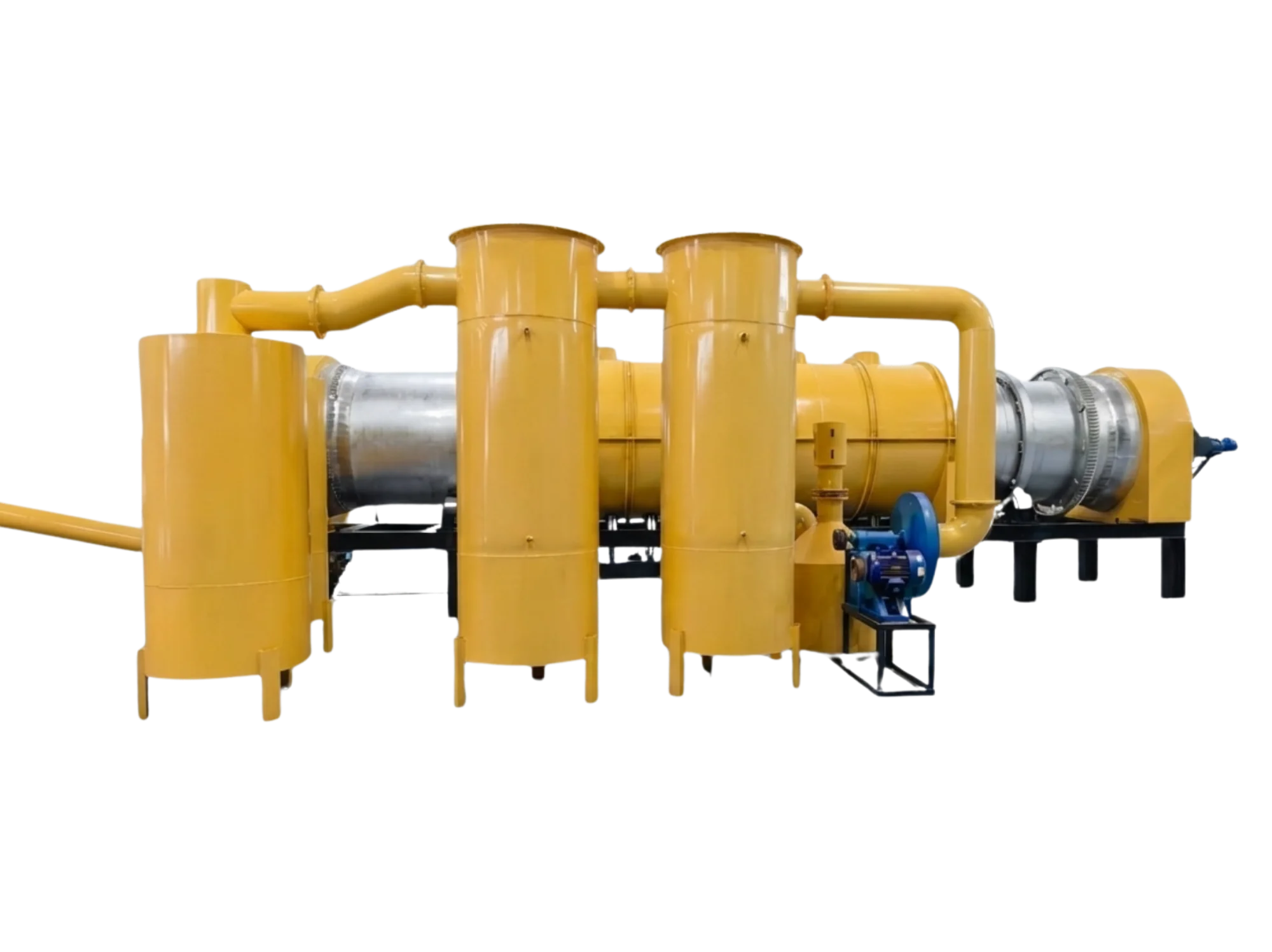
Veera Group manufactures biomass carbonization machines under its waste-to-energy machinery range. The company states that its biomass-to-biochar systems are designed for materials including sawdust, coconut shell, wood bark, leaves, grass and other biomass, with applications including farming, heating, water purification and soil improvement.
The right Biochar Making Machine depends on the feedstock, production scale, process configuration and intended product.
FREQUENTLY ASKED QUESTIONS
What Is Biomass Carbonization?
What Is Biomass Carbonization refers to the controlled thermal conversion of suitable biomass under limited oxygen conditions to produce a carbon-rich solid material such as char or biochar.
Why is biomass carbonized?
Biomass can be carbonized to transform suitable organic residues into a stable carbon-rich material that can be used in applications such as soil improvement, charcoal production and as a raw material for activated carbon.
What biomass can be used for carbonization?
Veera lists sawdust, coconut shells, wood bark, leaves, grass and other suitable biomass materials as potential feedstocks.
Does biomass need to be prepared before carbonization?
Yes. Preparation requirements depend on the feedstock and machine. Moisture, particle size and consistency should be evaluated before processing.
What is produced after biomass carbonization?
The main solid product is carbonized biomass, commonly referred to as char or biochar depending on the process and intended application.
Can carbonized biomass be used in agriculture?
Yes. Veera lists agriculture and soil improvement among the applications for its carbonized products.
What is the difference between batch and continuous carbonization?
Batch systems process a defined quantity of biomass during individual cycles, while continuous systems are designed for ongoing biomass processing.
What is a Biochar Making Machine?
A Biochar Making Machine is equipment designed to thermally convert suitable biomass into carbonized material through controlled carbonization.
How much biomass can a carbonization machine process?
Capacity varies significantly by model. Veera’s listed systems range from smaller batch equipment to continuous systems processing hundreds of kilograms per hour.
Can biomass carbonization be used for charcoal production?
Yes. Veera lists BBQ charcoal and industrial charcoal among the applications of its carbonized material.
What should I consider before buying a Biochar Making Machine?
Start with the biomass type, available quantity, moisture, particle size, required output, production method and intended application. These factors help determine the appropriate machine configuration.
What Is Biomass Carbonization useful for?
What Is Biomass Carbonization is useful when suitable biomass residues need to be transformed into a carbon-rich material for applications such as agriculture, soil improvement, charcoal production, heating or further carbon processing.

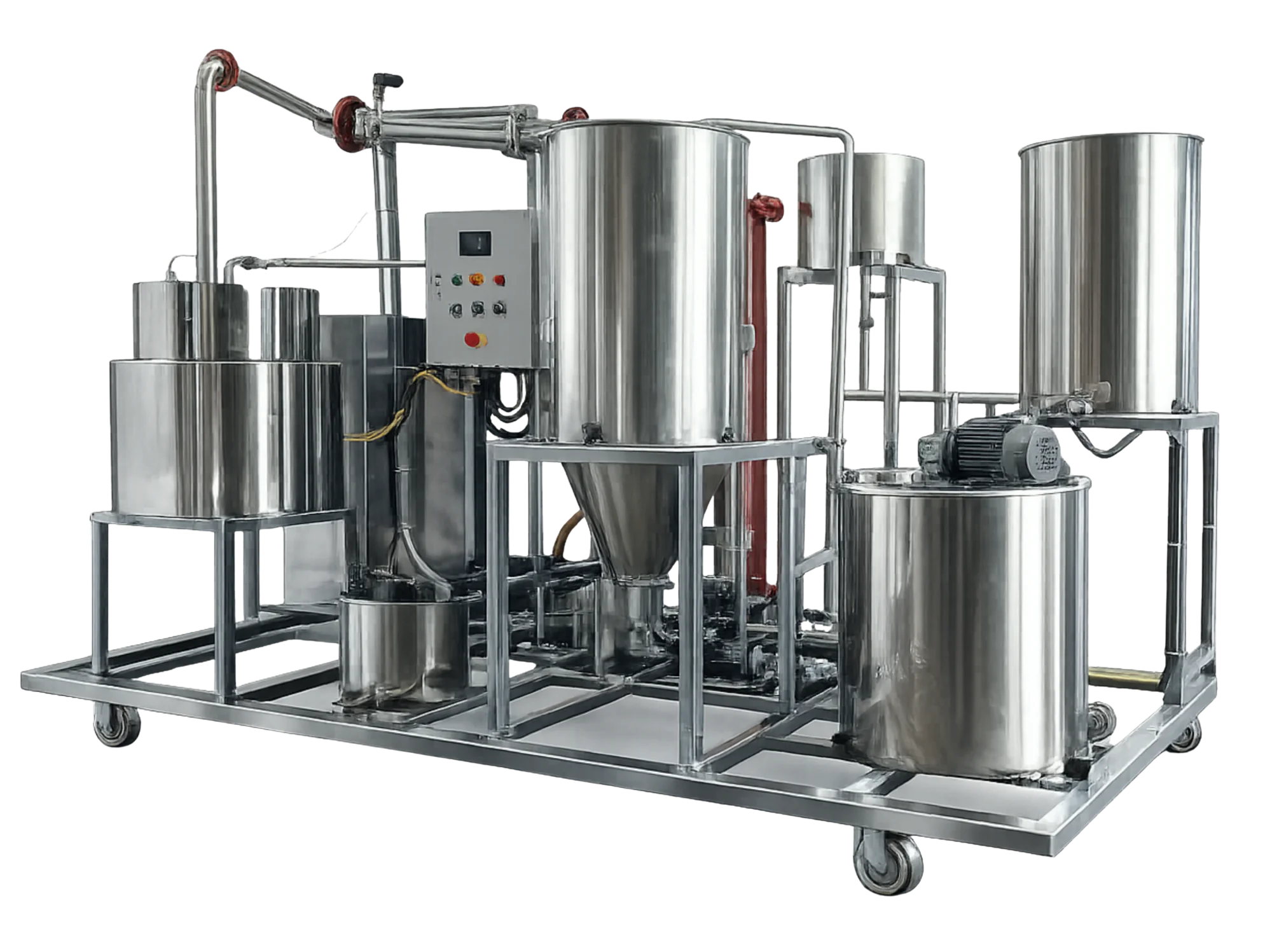
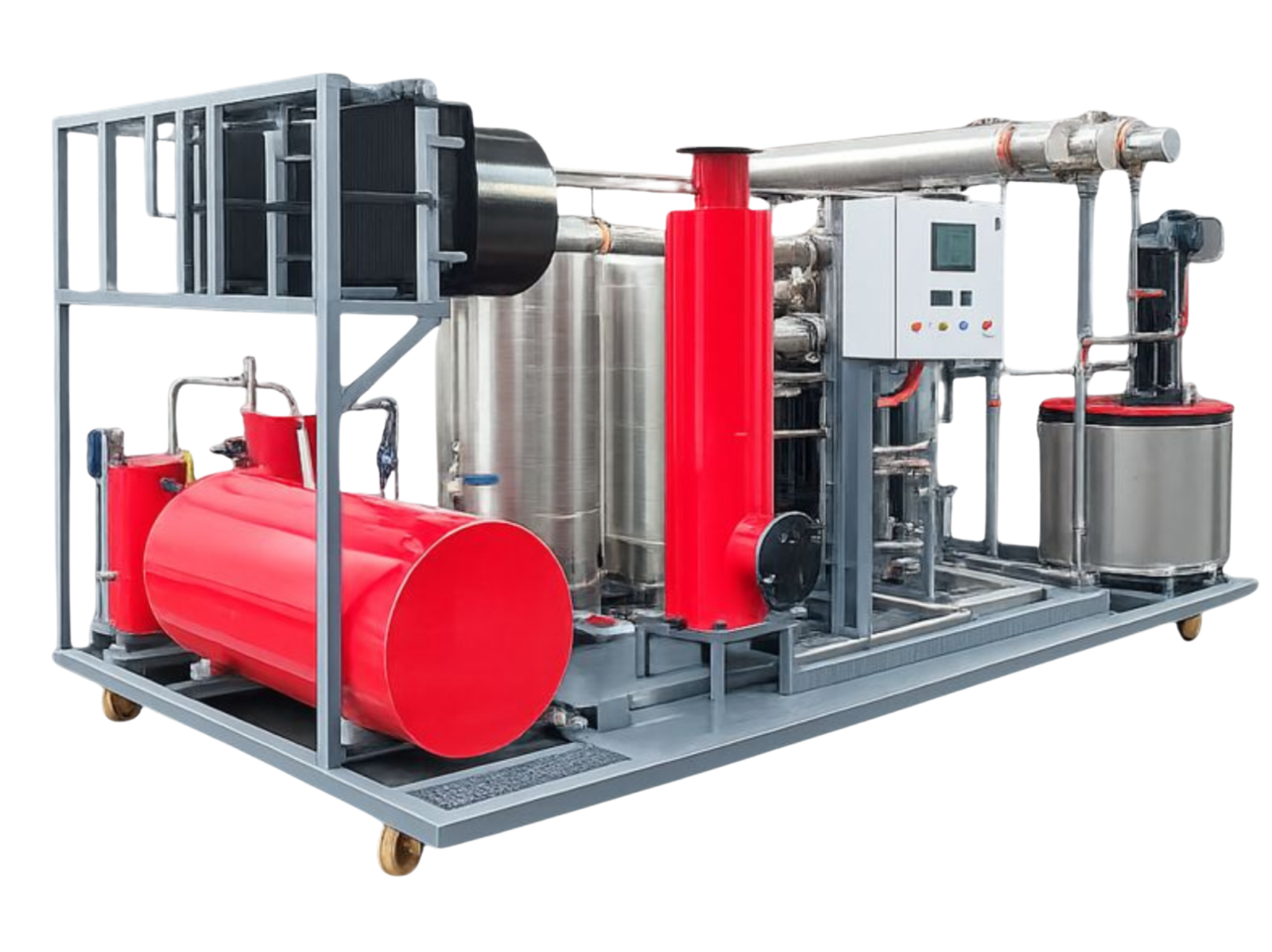 Waste Oil to Diesel Machine
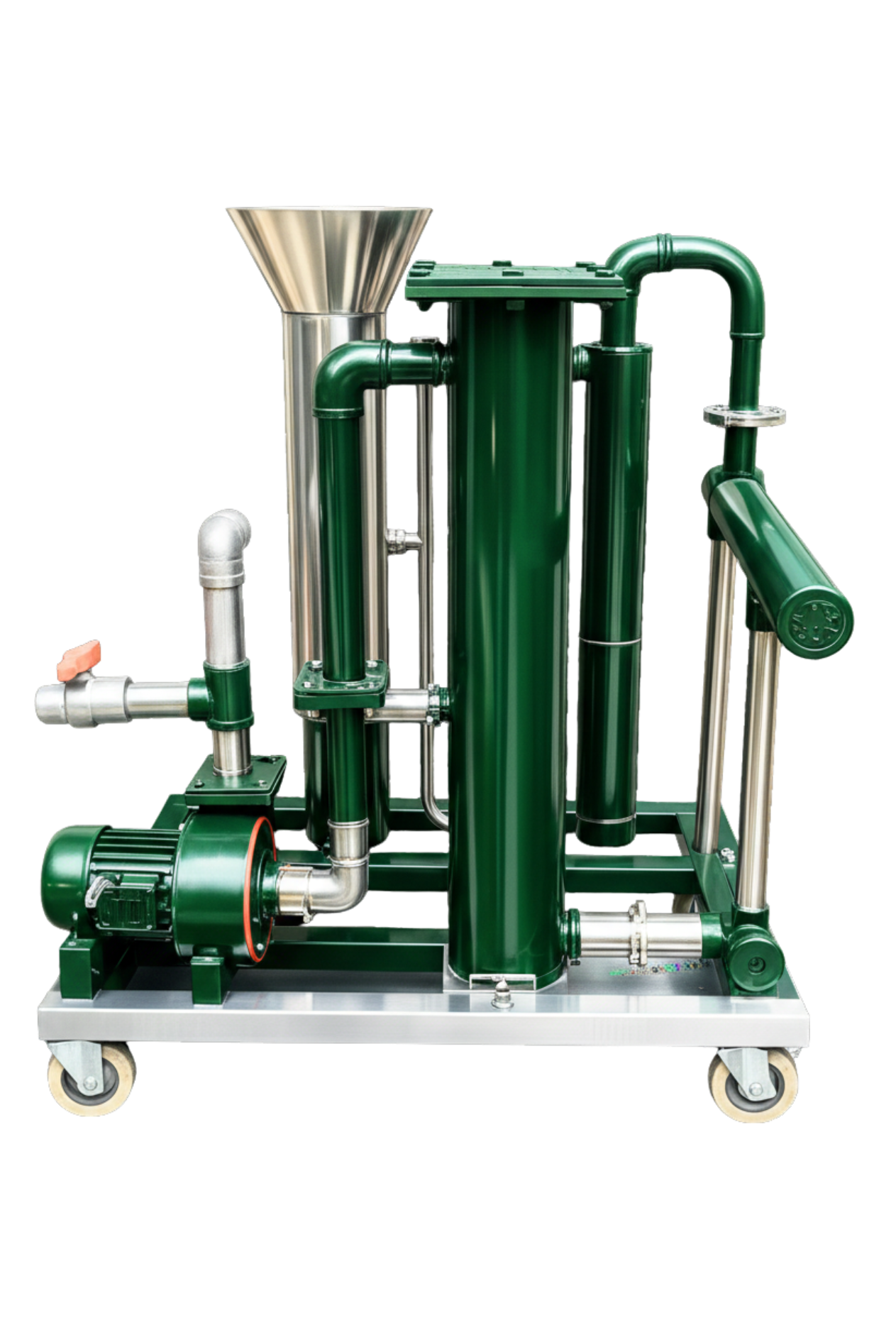 Biomass Gasifier