
WHAT IS USED LUBRICATING OIL?

What Is Used Lubricating Oil? It is lubricant that has already been used in an engine, gearbox, hydraulic system, compressor, industrial machine, or other equipment. During operation, lubricating oil is exposed to heat, pressure, friction, moisture, dirt, metal particles, and other contaminants. Over time, its condition changes and it may no longer provide the same performance as fresh oil.
Understanding What Is Used Lubricating Oil is important for workshops, industries, equipment operators, oil collectors, and businesses that handle large quantities of lubricant waste. Used oil does not necessarily represent the end of its useful value. Depending on its condition and composition, it can be collected, treated, and processed for oil recovery.
This is where a Lube Oil Recycling Plant becomes relevant. A properly designed Lube Oil Recycling Plant provides a controlled industrial route for processing suitable used lubricating oil and recovering useful oil fractions.
When asking What Is Used Lubricating Oil, it is therefore useful to look beyond the simple term “waste oil.” It is a used lubricant that has changed during operation but may still contain recoverable oil components.
WHERE DOES USED LUBRICATING OIL COME FROM?
To understand What Is Used Lubricating Oil, it helps to first understand where it comes from. Lubricating oil is used wherever moving components require lubrication and protection against friction and wear.
Once the lubricant completes its service period, it is drained from the equipment and becomes used lubricating oil.
Common sources include:
- Automotive engines and service workshops
- Gearboxes and transmission systems
- Hydraulic machinery
- Industrial equipment
- Compressors
- Heavy machinery
- Manufacturing equipment
- Vehicle and equipment maintenance facilities
The characteristics of used lubricating oil can vary depending on its source, lubricant type, operating conditions, and service history.
For example, oil collected from an automotive workshop may have a different contamination profile from oil collected from an industrial facility. This is why understanding What Is Used Lubricating Oil is more than knowing its definition; the source and condition of the oil also matter.
A Lube Oil Recycling Plant should therefore be selected according to the characteristics of the available feedstock.
WHAT CHANGES IN LUBRICATING OIL AFTER USE?
Another important part of understanding What Is Used Lubricating Oil is knowing what happens to lubricant during its service life.
Fresh lubricating oil contains base oil and additives formulated to provide lubrication, reduce friction, and protect equipment. During operation, the lubricant is repeatedly exposed to heat, mechanical stress, pressure, and contaminants.
As these conditions continue, used lubricating oil can accumulate unwanted materials and degradation products.
It may contain:
- Dirt and suspended solids
- Water or moisture
- Metal particles
- Fuel residues
- Oxidation products
- Degraded additives
- Other contaminants from equipment
The composition of used lubricating oil depends on where the oil was used and the conditions under which it operated.
This is why used lubricating oil should not automatically be treated in the same way as fresh lubricant. Its condition should be assessed before deciding how it should be collected, stored, treated, recycled, or recovered.
For a Lube Oil Recycling Plant, feedstock condition is an important consideration because different oil streams can require different processing approaches.
CAN USED LUBRICATING OIL BE RECYCLED?
Yes, suitable used lubricating oil can be processed through controlled treatment and oil-recovery methods.
The question What Is Used Lubricating Oil naturally leads to another question: what can be done with it after its service life?
The purpose of used-oil recycling is to separate unwanted contaminants and recover useful oil fractions from suitable feedstock.
A simplified recovery route can be represented as:
USED LUBRICATING OIL → PRE-TREATMENT → SEPARATION → DISTILLATION / PROCESSING → OIL RECOVERY
The actual process depends on the condition and composition of the incoming oil and the characteristics required from the recovered product.
Recycling used lubricating oil is not simply a matter of filtering old oil and immediately putting it back into an engine. Industrial recovery requires controlled processing based on the feedstock and intended output.
A Lube Oil Recycling Plant provides an industrial processing route for suitable used oil and can incorporate the treatment and separation stages required by the project.
Understanding What Is Used Lubricating Oil therefore helps businesses make better decisions about how their used oil should be managed.
HOW DOES A LUBE OIL RECYCLING PLANT PROCESS USED OIL?
A Lube Oil Recycling Plant is designed to process suitable used lubricating oil through controlled treatment and separation stages.
Once the answer to What Is Used Lubricating Oil is understood, the next step is understanding how that material can move through an oil-recovery system.
The exact configuration of a Lube Oil Recycling Plant can vary according to feedstock characteristics, processing capacity, and recovered-product requirements.

FEEDSTOCK PREPARATION
Collected used lubricating oil is assessed and prepared before entering the main processing system.
Understanding the source and condition of the used lubricating oil helps establish the appropriate preparation and treatment requirements.
CONTAMINANT SEPARATION
Water, solids, and other unwanted materials may need to be separated from used lubricating oil before further processing.
The required treatment depends on the contamination present in the incoming feedstock.
THERMAL PROCESSING AND DISTILLATION
Controlled thermal processing and distillation can be used to separate oil fractions according to their physical characteristics.
The configuration of the Lube Oil Recycling Plant should be matched to the characteristics of the used lubricating oil and the intended recovered product.
OIL RECOVERY
The objective is to recover useful oil fractions from suitable used lubricating oil.
Further treatment or filtration may be required depending on the desired characteristics of the recovered product.
WHY IS USED LUBRICATING OIL RECYCLING IMPORTANT?
Large quantities of used lubricating oil can be generated through automotive maintenance, industrial machinery, manufacturing operations, and equipment servicing.
Understanding What Is Used Lubricating Oil helps businesses beyond recognize that used lubricant is not simply a material that needs to leave the facility. Suitable feedstock may provide an opportunity for controlled oil recovery.
A Lube Oil Recycling Plant can support a more structured approach to used-oil management by providing a dedicated processing route.
Potential advantages of used lubricating oil recycling include:
- Recovery of useful oil fractions
- Better management of collected used oil
- More organized industrial oil handling
- Recovery of material from an existing waste stream
- A structured approach to oil recovery
- Reduced dependence on disposal as the only management route
The actual result depends on the quality of the used lubricating oil, plant configuration, operating conditions, and recovered-product requirements.
For this reason, a Lube Oil Recycling Plant should be planned around the actual feedstock rather than assuming that every used oil stream can be processed in exactly the same way.
WHAT SHOULD YOU CHECK BEFORE SELECTING A LUBE OIL RECYCLING PLANT?
Choosing a Lube Oil Recycling Plant starts with understanding the used lubricating oil that will be processed.
If someone asks What Is Used Lubricating Oil, the practical answer also includes understanding its source, quality, quantity, and intended recovery route.
TYPE AND SOURCE OF USED OIL
Determine whether the used lubricating oil comes from automotive engines, industrial machinery, hydraulic systems, gearboxes, compressors, or other applications.
The source can influence the composition and contamination profile of the feedstock.
FEEDSTOCK CONDITION
Check the condition of the used lubricating oil, including water, solids, fuel residues, and other contaminants.
This information helps determine the appropriate treatment requirements for the Lube Oil Recycling Plant.
AVAILABLE FEEDSTOCK QUANTITY
Determine how much used lubricating oil is available daily, weekly, or monthly.
The capacity of a Lube Oil Recycling Plant should be matched to the realistic and consistent supply of feedstock.
RECOVERED PRODUCT REQUIREMENTS
Define the intended recovered oil fraction and understand the characteristics required from the final product.
The desired output is an important consideration when selecting a Lube Oil Recycling Plant for used lubricating oil.
PROCESS CONFIGURATION
Consider the complete Lube Oil Recycling Plant, including heating, separation, distillation, filtration, storage, and other applicable process requirements.
The configuration should be matched to the characteristics of the used lubricating oil being processed.
LOCAL PROJECT REQUIREMENTS
Waste handling, storage, transportation, environmental, and operating requirements can differ between locations.
These requirements should be evaluated when planning a Lube Oil Recycling Plant for used lubricating oil.
The objective is not simply to choose the largest plant. It is to select a Lube Oil Recycling Plant that matches the available feedstock, processing requirements, capacity, and intended recovery route.
FROM USED LUBRICATING OIL TO RESOURCE RECOVERY WITH VEERA GROUP
Veera Group develops waste-to-energy and resource-recovery machinery for industrial applications.
For businesses generating or collecting used lubricating oil, the first step is understanding the feedstock. Its source, condition, quantity, and intended recovered product all influence the appropriate processing approach.
Understanding What Is Used Lubricating Oil can help businesses ask the right questions before investing in recycling equipment.
A practical project pathway is:
USED LUBRICATING OIL
↓
FEEDSTOCK EVALUATION
↓
PROCESS REQUIREMENTS
↓
PLANT CONFIGURATION
↓
OIL RECOVERY
For companies looking for a Lube Oil Recycling Plant, Veera Group can help evaluate the equipment requirement around the available used lubricating oil, processing capacity, feedstock characteristics, and project objectives.
The right Lube Oil Recycling Plant should be selected around the actual oil stream rather than using a one-size-fits-all approach.
If your business is exploring used lubricating oil recovery, Veera Group can help you discuss the appropriate Lube Oil Recycling Plant for your requirements.
What Is Used Lubricating Oil is ultimately a question about more than a definition. It is about understanding where the oil comes from, how it changes during use, how suitable oil can be processed, and how resource recovery can be approached through the right equipment.
FREQUENTLY ASKED QUESTIONS
WHAT IS USED LUBRICATING OIL?
Used lubricating oil is lubricant that has already been used in an engine, machine, gearbox, hydraulic system, compressor, or other equipment and has changed during operation while accumulating contaminants and degradation products.
WHERE DOES USED LUBRICATING OIL COME FROM?
Used lubricating oil commonly comes from automotive engines, workshops, industrial machinery, hydraulic equipment, gearboxes, compressors, heavy machinery, and manufacturing equipment.
WHAT CONTAMINANTS CAN BE FOUND IN USED LUBRICATING OIL?
Used lubricating oil may contain water, dirt, metal particles, fuel residues, degraded additives, oxidation products, suspended solids, and other contaminants depending on its source and operating conditions.
CAN USED LUBRICATING OIL BE RECYCLED?
Suitable used lubricating oil can be processed through appropriate treatment and recovery methods. The condition and composition of the feedstock should be evaluated before selecting the recycling process.
WHAT IS A LUBE OIL RECYCLING PLANT?
A Lube Oil Recycling Plant is an industrial processing system designed to treat suitable used lubricating oil and recover useful oil fractions through controlled treatment, separation, and processing.
HOW DOES A LUBE OIL RECYCLING PLANT PROCESS USED OIL?
A Lube Oil Recycling Plant can use stages such as feedstock preparation, contaminant separation, thermal processing, distillation, and oil recovery, depending on the feedstock and project requirements.
IS ALL USED LUBRICATING OIL SUITABLE FOR RECYCLING?
No. The source, composition, contamination level, condition, and quantity of used lubricating oil should be evaluated before determining the appropriate recycling process.
WHAT SHOULD I CHECK BEFORE BUYING A LUBE OIL RECYCLING PLANT?
Consider the type and quantity of used lubricating oil, feedstock condition, required processing capacity, recovered-product requirements, process configuration, and applicable local project requirements.
HOW DOES A LUBE OIL RECYCLING PLANT HELP WITH USED LUBRICATING OIL?
A Lube Oil Recycling Plant provides a controlled industrial route for processing suitable used lubricating oil, separating unwanted contaminants, and recovering useful oil fractions according to the project’s requirements.

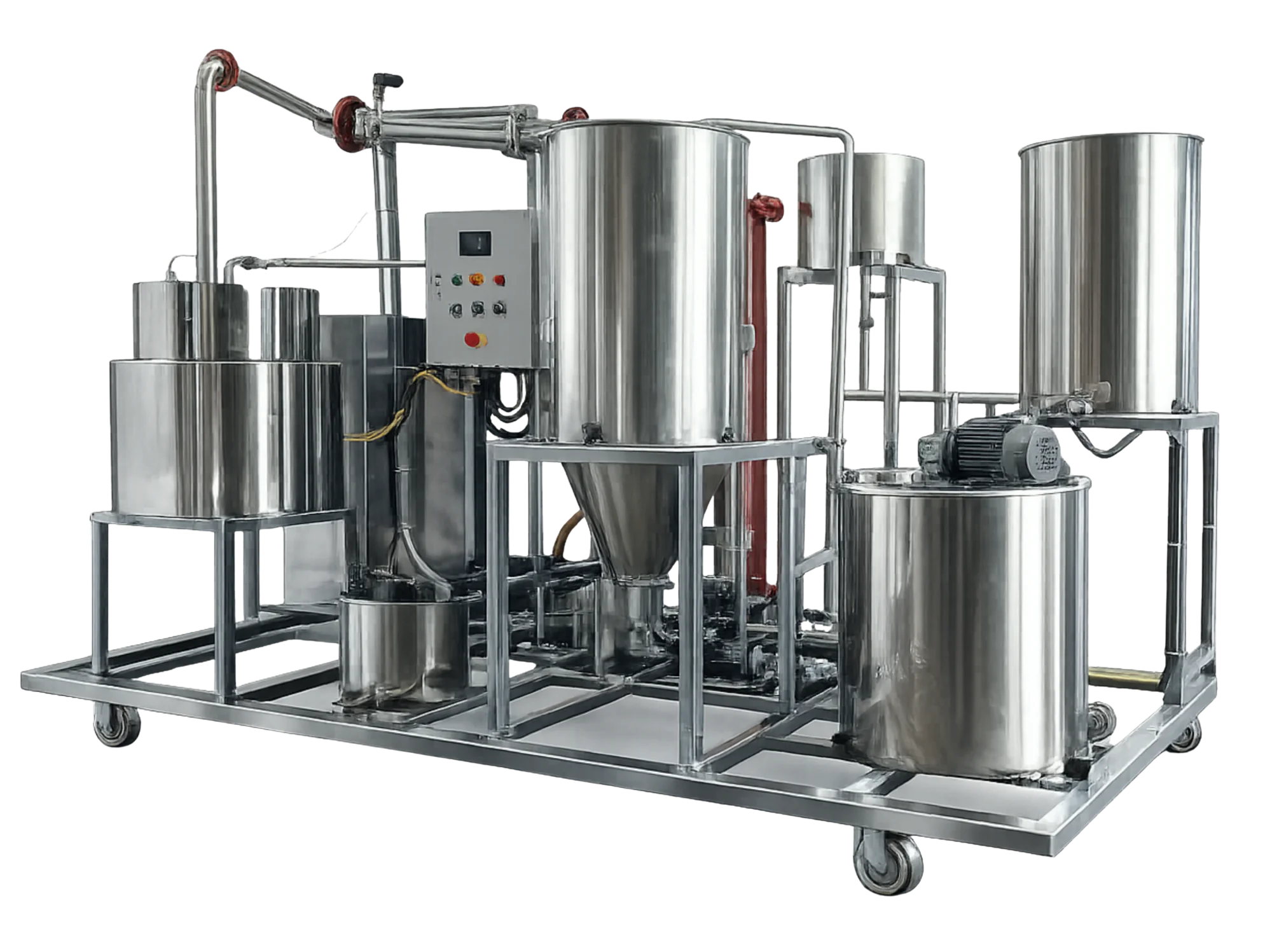
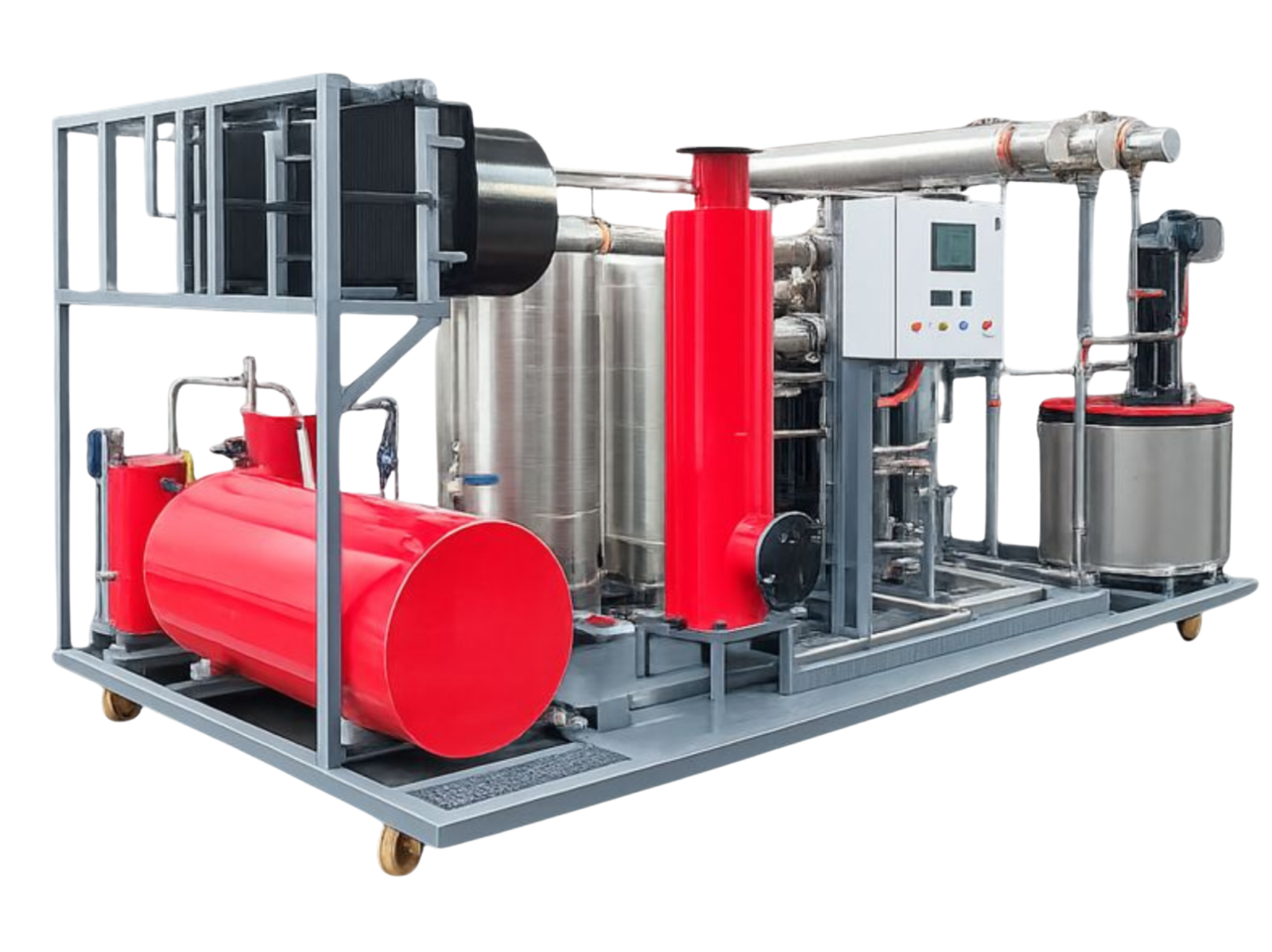 Waste Oil to Diesel Machine
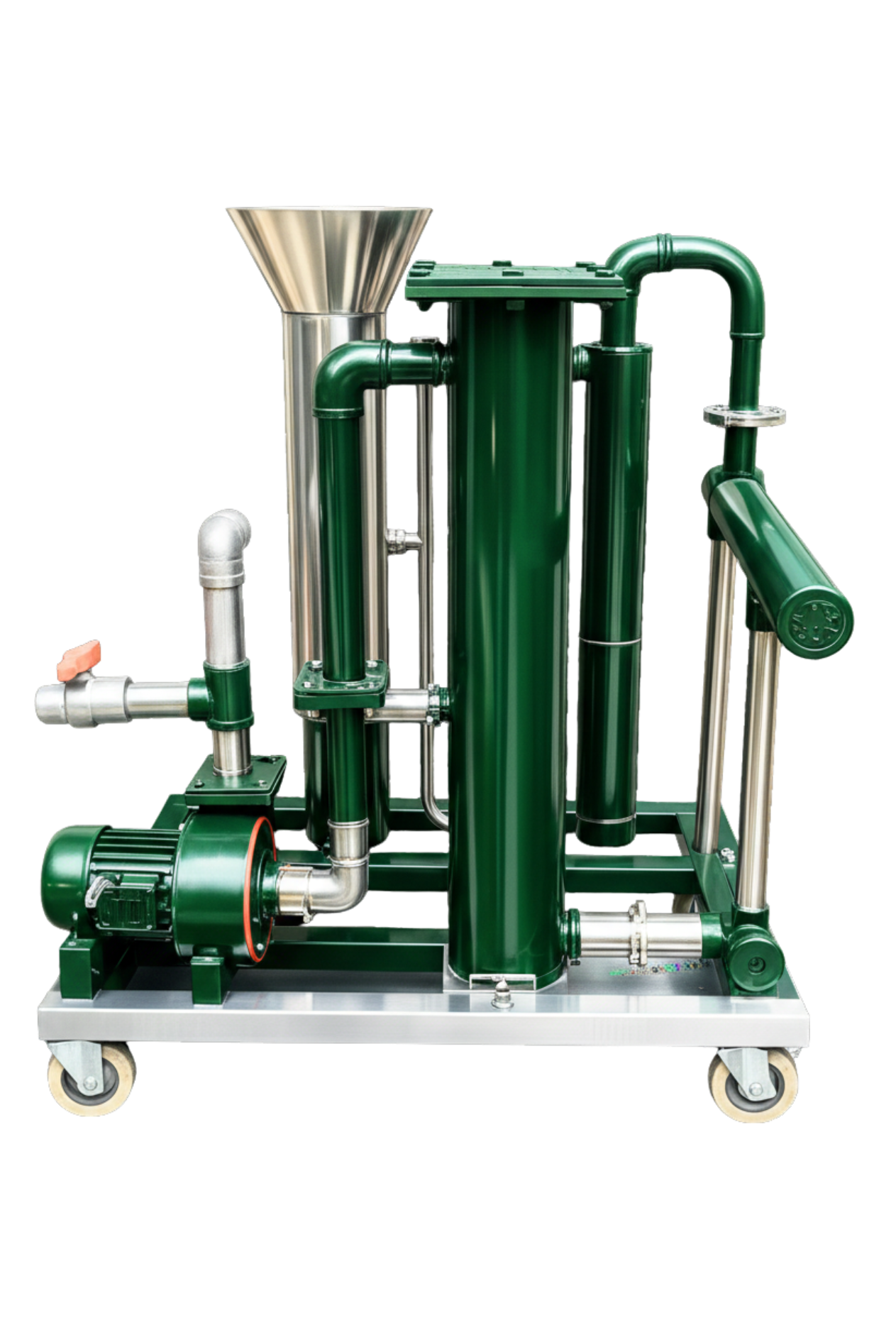 Biomass Gasifier