
Plasti Pyrolysis Machine in France – Smart Conversion of Garbage to Clean Energy
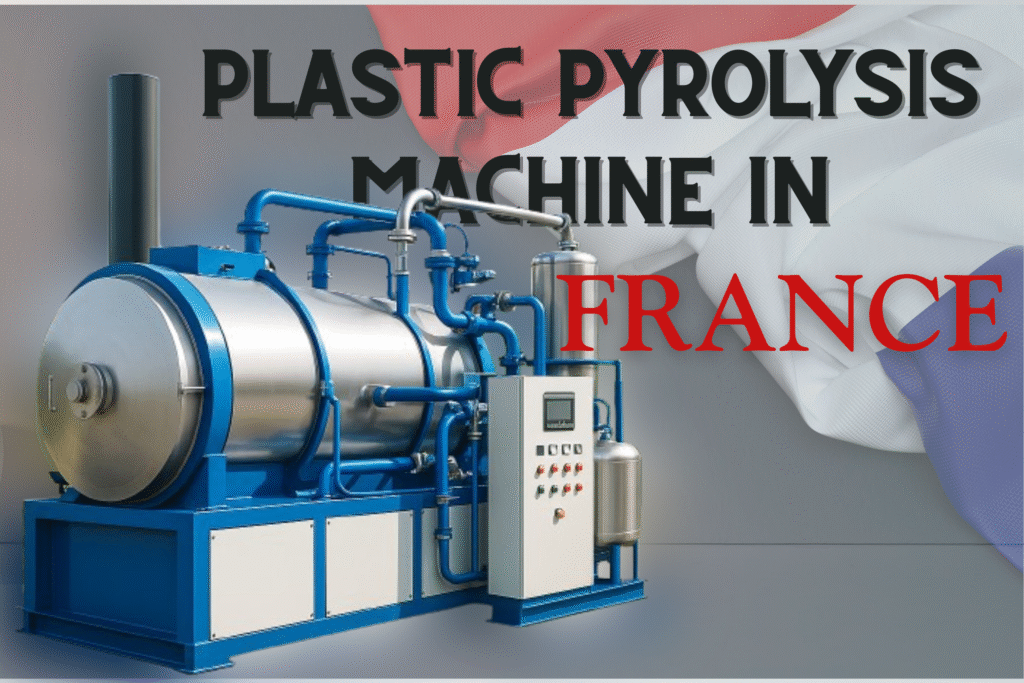
Introduction Have you ever gazed at your plastic garbage and asked yourself — “What if this could be converted into fuel rather than being dumped in landfills?” In France, that vision is now a reality — courtesy of the Plastic Pyrolysis Machine in France, a cutting-edge technology that converts common plastic garbage into clean valuable energy. With reliable engineering, tested performance, and France’s aggressive sustainability agendas, municipalities and industries are quickly embracing plastic pyrolysis machinery to recycle waste into energy, increase recycling levels, and propel the country’s circular economy into top gear. If you’re an industrial operator, recycler, local government, or investor, this handbook will provide you with an explanation of all you need to know before purchasing or installing a Plastic Pyrolysis Machine in France — from the working principle to why it is the future of eco-friendly innovation. Have you ever looked at your plastic trash cans and thought:“What if this could be converted into fuel rather than landfill?” In France, that vision is no longer a far-off dream beyond — it’s turning into reality thanks to the Plastic Pyrolysis Machine in France. With genuine expertise, reliable technology, and growing sustainability goals, French industries are implementing plastic pyrolysis equipment to convert waste into energy, helping the French circular economy while meeting carbon-reduction targets. If you’re an industrial operator, municipality, recycling company, or investor — this blog will guide you through everything you need to know before buying and installing a plastic pyrolysis machine in France. What Is a Plastic Pyrolysis Machine in France? A Plastic Pyrolysis Machine in France is an industrial device that decomposes plastic waste in an oxygen-free environment to produce pyrolysis oil, syngas, carbon black, and other useful by-products. Unlike ordinary machines, French plastic pyrolysis systems must comply with: French and EU waste laws The EU Circular Economy Action Plan Local industrial carbon-reduction policies When you install a plastic pyrolysis plant in France, you’re not just recycling — you’re contributing to France’s renewable energy vision and long-term sustainability leadership. Why the French Market Is Ready for a Plastic Pyrolysis Machine Robust Regulatory and Policy Support France follows the EU Waste Framework Directive and Circular Economy Action Plan, which push for higher recycling rates and reduced landfilling.These regulations make a plastic pyrolysis machine in France a strategic solution to meet low-carbon goals. Market Growth and Investment Opportunity The global plastic pyrolysis market is projected to reach USD 10.1 billion by 2032, with Europe as a major hub.France, with its advanced industrial infrastructure and recycling potential, is a prime location for investment in plastic pyrolysis plants. Waste Feedstock Availability France generates millions of tons of plastic waste annually from homes and industries.A plastic pyrolysis machine in France enables local recycling — reducing export costs and creating green jobs. Circular Economy and Local Credibility Owning a plastic pyrolysis plant in France boosts your “Made in France” reputation and demonstrates leadership in sustainability and innovation.It’s not just technology — it’s a statement of responsibility and progress. How Does a Plastic Pyrolysis Machine in France Work? 1. Feedstock Preparation Feedstock includes waste plastics such as polyethylene (PE), polypropylene (PP), or mixed plastics.Proper sorting and documentation are mandatory under French waste chain regulations. 2. Pre-Treatment and Cleaning Before plastics enter the reactor, contaminants like metals, chlorine, and moisture are removed to ensure emission control compliance. 3. Reactor and Pyrolysis Process Inside the plastic pyrolysis reactor, plastics are heated above 400°C in an oxygen-starved environment, producing pyrolysis oil, gas, and carbon black.Modern European machines are highly efficient, with advanced reactor and condensing systems. 4. Product Recovery and Refinement The resulting oil and gas can be used for industrial fuel or sold to energy markets.Some French systems already refine crude oil equivalents through pyrolysis. 5. Emissions Control and Compliance A plastic pyrolysis machine in France must meet strict environmental standards, including emission monitoring, filtration, and safety protocols. 6. Storage and Utilization The produced oil and gas are stored safely and can be used in industrial heating systems or blended with other fuels. Top 12 Benefits of Installing a Plastic Pyrolysis Machine in France 1. Waste Reduction Keeps plastics out of landfills and incinerators while recovering energy. 2. Cost Savings Reduces waste transport and disposal costs for French municipalities. 3. Revenue Streams Generates income from selling by-products like oil or carbon black. 4. Carbon Footprint Reduction Supports France’s net-zero emissions targets. 5. Local Employment Creates skilled jobs in engineering, operations, and waste management. 6. Regulatory Compliance Aligns with EU waste and energy directives. 7. Feedstock Flexibility Processes multiple types of plastic waste. 8. Energy Recovery Utilizes syngas for on-site power generation. 9. Brand Trust Enhances corporate sustainability and ESG credentials. 10. Scalability Expandable from pilot to full-scale plant. 11. Advanced Technology Modern systems offer automation and higher yields. 12. Circular Economy Leadership Positions your company as a waste-to-resource pioneer in France. Challenges & How to Overcome Them 1. Initial Investment Costs Large capital is needed for equipment, setup, and training.Tip: Start small with modular systems and apply for French green subsidies. 2. Feedstock Quality Inconsistent waste plastics can reduce performance.Tip: Secure long-term supply contracts with local recyclers. 3. Regulatory Complexity France enforces strict environmental permits.Tip: Work with EHS consultants and maintain compliance reports. 4. Technical Maintenance Requires trained operators.Tip: Partner with experienced European manufacturers. 5. Market Competition Technology evolves quickly.Tip: Invest in upgradable, scalable machines. Best Practices for Installing a Plastic Pyrolysis Machine in France Choose the right capacity based on available waste volume Ensure design flexibility for different plastic types Maintain legal feedstock documentation Prioritize emission control and environmental compliance Regularly test product quality Integrate your system into existing energy networks Plan for maintenance and spare parts Seek EU/French government incentives Publicize your sustainability achievements Real-Life Example: A 12 TPD Plastic Pyrolysis Plant in France In 2020, a 12 Tons Per Day (TPD) plastic pyrolysis plant was successfully installed in France — a proof that pyrolysis technology is both commercially viable and environmentally beneficial.This case study shows how French operations can transform
Biochar for Agriculture in Netherlands – Creating a Greener Future for European Farming

Introduction With the Netherlands taking the lead in sustainable agricultural technology in Europe, one amazing solution is gaining traction among Dutch farms — biochar for agriculture in Netherlands. The plain yet groundbreaking substance is changing the face of soil health, enhancing yields, and assisting farmers in lowering carbon emissions while maximizing profitability. Across Europe, the transition towards regenerative agriculture and carbon-neutral farming has gained pace, and the Netherlands leads this charge. With its long tradition of farming, cutting-edge technology, and forward-thinking green policies, the nation is the ideal terrain for upscaling biochar for agriculture in Netherlands as a prime enabler of climate-smart agriculture. This piece examines how biochar functions, the advantages to Dutch crops and soil, its economic and environmental potential, and why investing in biochar for agro-resources in Netherlands is an essential move to a green future in Europe. What Is Biochar and Why It Matters Biochar is a charcoal-like material created by pyrolysis — the high-temperature heating (usually between 400°C and 700°C) of organic matter like agricultural waste, wood chips, or manure in the absence of oxygen. In contrast to ash or compost, biochar possesses a porous, stable form that can store water, capture nutrients, and enhance soil condition for extended periods. Used on the soil, biochar does not only increase fertility but also sequesters carbon in the ground for centuries. This renders biochar for agriculture in Netherlands a vital instrument for enhancing both crop yield and combat against climate change. It’s not merely a fertilizer — it’s a potent bridge between waste reduction, energy efficiency, and ecological agriculture. Why Biochar for Agriculture in Netherlands Is Gaining Momentum The Netherlands has been known for many years as being one of the world’s most effective agricultural producers. In spite of its comparatively modest land mass, it is the second-largest agricultural exporter in the world. Nevertheless, intensive farming and scarce land area have imposed issues like soil degradation, leaching of nutrients, and greenhouse gas emissions. This is where biochar for agriculture in Netherlands steps in — providing a workable and scalable solution for building soil, boosting yields, and lessening environmental pressures. 1. Climate Pledge and EU Compliance The government of the Netherlands is strongly committed to becoming carbon neutral under the European Green Deal. Utilization of biochar for agriculture in Netherlands has direct implications for carbon sequestration — locking up atmospheric CO₂ in the soil instead of emitting it. 2. Circular Economy in Action The Netherlands is at the forefront of recycling waste. Biochar for farming in Netherlands supplements this by converting agricultural residues, forestry residues, and manure to a valuable farm input. 3. Better Soil Quality in Intensive Farms The Dutch farmers have some of the most intensive farms in the globe, but excessive fertilizer application can lead to nutrient runoff. By incorporating biochar for agriculture in Netherlands, the farmers become more efficient at retaining nutrients and less dependent on fertilizers. 4. Sustainable Innovation Leadership From precision farming to greenhouses, innovation is the backbone of the Dutch agricultural system. The swift uptake of biochar for agriculture in Netherlands follows this trend by uniting science, sustainability, and profit. How Biochar for Agriculture in Netherlands Is Made The making of biochar for agriculture in Netherlands uses a science-controlled pyrolysis process. Step 1 – Biomass Collection Raw materials like crop residues, dairy manure, or wood waste are gathered from nearby farms and forestry activities. Step 2 – Pyrolysis Reaction Feedstock is pyrolyzed at high temperatures (400–700°C) with no oxygen inside a pyrolysis reactor. Organic material is decomposed into: Solid biochar (applied to soil) Syngas (used for heating) Bio-oil (used as renewable energy) Step 3 – Cooling and Refinement The biochar is cooled, ground, and at times enriched with compost or fertilizer for better use in agriculture. Step 4 – Soil Application Farmers implement biochar for agriculture in Netherlands by incorporating it into soil during tilling or mixing it with fertilizers. Once incorporated, biochar stays stable in the soil for decades. Key Benefits of Biochar for Agriculture in Netherlands Implementing biochar for agriculture in Netherlands provides quantifiable advantages for farms as well as the environment. 1. Increases Soil Fertility Biochar enhances the soil cation exchange capacity (CEC) so that it can hold onto nutrients otherwise lost to groundwater leaching. This results in improved fertilizer use efficiency and better soil biology. 2. Increases Water Retention The Netherlands experiences alternating cycles of drought and excessive rain. The porosity of biochar in agriculture Netherlands lets soil hold water for longer, lessening irrigation requirements and safeguarding plants from water stress. 3. Decreases Greenhouse Gas Emissions By preventing carbon from escaping and minimizing nitrous oxide release, biochar for agriculture in Netherlands enables farmers to decrease their carbon footprint as well as support the EU’s emission-reduction targets. 4. Raises Crop Yields Evidence indicates that the use of biochar for agriculture in Netherlands can increase yields of vegetables, cereal crops, and horticulture by optimizing nutrient uptake and root growth. 5. Revitalizes Degraded Soil Intensive agriculture has stripped organic matter from certain Dutch soils. Biochar revitalises such soils, enhancing structure and microbial life. 6. Carbon Sequestration over Time Every tonne of biochar for agriculture in Netherlands stores several tonnes of CO₂ equivalent, providing a scaleable and quantifiable climate solution. 7. Synergy with Organic Farming Organic farmers prefer using biochar for agriculture in Netherlands because it’s natural, safe, and maximises composting efficiency. Economic Potential of Biochar for Agriculture in Netherlands Aside from its environmental advantages, agriculture biochar in Netherlands also has robust economic potential. Lower input costs: Enhanced soil fertility minimizes the use of chemical fertilizers. Increased yields: Greater productivity increases farmers’ revenues. Carbon credits: Farmers implementing biochar for agriculture in Netherlands can earn carbon credits through EU initiatives. Waste-to-profit opportunity: Agriculture waste in the local area becomes an important raw material for producing biochar. As the European biochar market grows, the Netherlands is soon to become one of the continent’s leading producers and exporters. Biochar for Agriculture in Netherlands and the Circular Economy Inclusion of biochar for agriculture in Netherlands
Biochar for Agriculture in France – Fueling Growth, Restoring Earth, Empowering Farmers
Introduction Biochar for Agriculture in France With the agricultural sector in Europe seeking green, sustainable methods of improving the soil, French agriculture biochar has emerged as one of the finest and eco-friendlier solutions. From improving the fertility of the soil to resisting the impact of greenhouse gas emissions, biochar is changing the method of French farmers in addressing crop output and land use. The last ten years have seen a fast growth in the demand for biochar in French agriculture, driven by environmental policy, research-validated benefits, and the European Union’s drive towards carbon neutrality. This guide highlights what biochar is, its benefits to French farming, how it is produced, and why it is fast becoming a key component of modern European farming systems. What Is Biochar and Why It Matters Biochar is a carbon-rich material obtained through the pyrolysis of biomass—such as agricultural residues, wood chips, or municipal waste—under high temperatures in a low-oxygen environment. Carbon is stabilized in a solid form during the process and results in a porous material which, when added to soil, enhances fertility, retains water, and reduces nutrient loss of Biochar for Agriculture in France. When talking about biochar for French agriculture, we mean both its production in France from French biomass and its use on French farmland and surrounding European nations. While synthetic fertilizers continually break down, biochar offers durable enhancements to soil structure and nutrient cycling. The French farming environment—with its diverse soil compositions, vineyards, and cropping systems—offer a typical configuration of conditions for the widespread use of biochar for agriculture in France. Why France Is Leading Biochar Adoption France is a leading country in sustainable farming within Europe, and its growth with biochar for agriculture in France is no different. Various factors are responsible for its growth: 1. Strong Environmental Policies It is aligned with the will of the French government to reduce carbon emissions using the National Low-Carbon Strategy (SNBC) to produce and use biochar. Biochar use in agriculture in France is not only soil improving but also a long-term source of carbon—an activity that sequesters carbon in the soil for centuries. 2. Adequate Biomass Resources France generates vast quantities of agricultural residues and forest waste annually. Considering their local processing, these biomass can be processed into biochar in France, which is economical and eco-friendly for the production of biochar in France for use in agriculture. 3. EU Green Deal Alignment Under the European Green Deal, countries are encouraged to employ carbon-sequestering technology. Biochar in France for agriculture directly assists in: achieved by sequestering carbon in the soil and not emitting it as CO₂. 4. Agricultural Innovation and Research French research institutions and universities are actively pursuing the study of how biochar affects the fertility of the soil, crop yield, and water management. The evidence base continues to expand, enhancing credibility and application of biochar to French agriculture. How Biochar Is Made Producing biochar for French agriculture typically entails the following steps: Step 1 – Collection of Biomass Biomass such as crop residues, wood chips, vine residues, or organic residues are collected from agricultural or forestry operations. Step 2 – Pyrolysis Process The biomass is subjected to heat (400°C to 700°C) in a restricted supply of oxygen. Organic material is broken down and three products are produced: Biochar (solid carbon) Syngas (gas mixture for heat or energy) Bio-oil (liquid fuel) Step 3 – Cooling and Refinement The biochar is cooled down, sieved, and also mixed with compost or fertilizers before application in fields. Step 4 – Soil Application Biochar in France is used in agriculture by mixing it with the topsoil or mixing it with organic manures. After addition to the soil, biochar lasts for decades being stable and active. Advantages of Biochar for Agriculture in France The application of biochar to agriculture in France has numerous benefits beyond soil fertility. Let’s explore them in detail. 1. Improved Soil Fertility Biochar enhances nutrient holding and reduces leaching. With its porous structure, it can hold precious nutrients like nitrogen and phosphorus and release them to crops over a period of time. This makes biochar for French agriculture an ideal soil amendment for long-term fertility. 2. Improved Water Holding Irregular rainfalls and droughts are the issues in some French regions. Biochar for agriculture in France increases water-holding capacity in soils, promotes improved crop survival under dry conditions, and reduces irrigation needs. 3. Reduced Greenhouse Gas Emissions Biochar stores carbon in the soil for hundreds of years. By doing so, it prevents CO₂ and methane emissions, and agricultural biochar in France is a valuable climate change mitigation tool. 4. Increased Crop Yields Agricultural farmers using biochar for agriculture in France have recorded enhanced production in crops like wheat, corn, and grapes as a result of enhanced root growth and nutrient absorption. 5. Renewal of Soil Biochar rejuvenates depleted soils through enhanced aeration, microbial activity, and organic matter levels. 6. Organic Farming Compatibility Organic farmers are mostly adopting biochar for agriculture in France because it is organic, non-poisonous, and compatible with ecological farming. Biochar and the Circular Economy One of the primary reasons that biochar in French agriculture is gaining traction is that it aligns with circular economy principles. By converting farm waste into a beneficial soil amendment, the process recycles the waste and the use of the resource back into each other. French agricultural producers who add biochar to their French agriculture routine effectively reduce the amount they spend on waste disposal while ensuring maximum output. Moreover, the excess heat and gas produced during pyrolysis are recycled to power neighboring plants, ensuring maximum use of energy in Biochar for Agriculture in France. Types of Biochar in French Agriculture Depending on feedstock and pyrolysis conditions, several types of biochar in French agriculture are utilized: Wood-Based Biochar From waste wood in forests, this type is high in carbon and produces long-term soil stability. Crop Residue Biochar From straw, husks, and other agricultural wastes, this type improves nutrient cycling and is widely used on French farms.
Waste to Energy Pyrolysis Machine – Europe’s Green Solution for a Sustainable Future
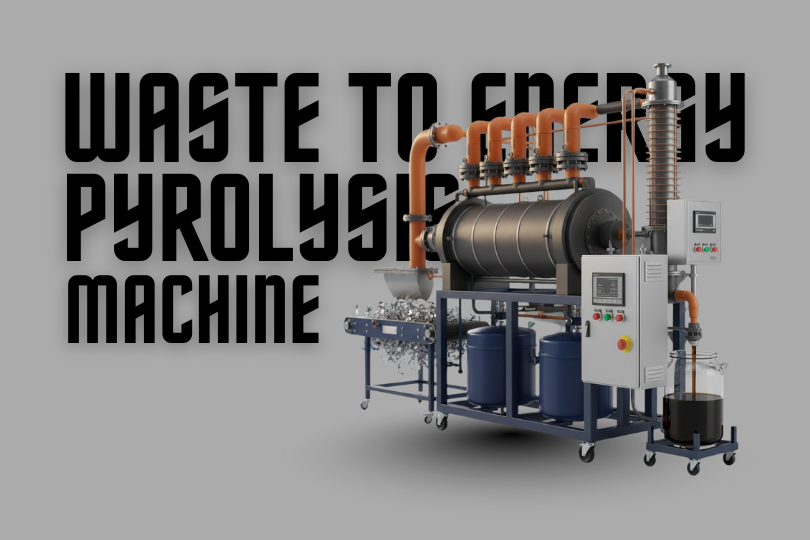
Introduction As Europe accelerates its shift toward renewable energy and circular economy models, the concept of converting waste into valuable resources has taken center stage. Amongst these, one innovation stands out-the Waste to Energy Pyrolysis Machine. This groundbreaking technology will revolutionize waste management for industries, municipalities, and businesses alike. The Waste to Energy Pyrolysis Machine transforms industrial waste materials, such as plastics, rubber, and biomass, into usable fuels and by-products in an efficient and eco-friendly manner, thus offering a solution to one of the world’s biggest challenges: waste management and energy shortage. From governments to industries to entrepreneurs, the adoption of this innovation goes beyond landfill waste management to the production of renewable fuel sources like pyrolysis oil, syngas, and carbon black. Let’s explore how the Waste to Energy Pyrolysis Machine works, its advantages, applications, costs, and why it’s becoming the cornerstone of Europe’s clean energy revolution. What is a Waste to Energy Pyrolysis Machine A Waste to Energy Pyrolysis Machine is an advanced technological system for converting wastes such as plastic, tires, and organic material into useable energy products through a process known as pyrolysis. Pyrolysis is a thermochemical decomposition process usually carried out at high temperatures between 350°C and 600°C in the absence of oxygen. The complex organic materials break into simpler ones, producing pyrolysis oil, syngas, and solid carbon residue or char/carbon black. Unlike incineration, which involves burning waste and releasing harmful emissions, the Waste to Energy Pyrolysis Machine offers a pyrolysis process in an enclosed environment with minimal pollutants, whereby energy is captured from the waste. This makes it one of the most sustainable and economically viable waste management technologies available today in Europe. Why Europe Needs Waste to Energy Pyrolysis Machines Millions of tonnes of municipal and industrial wastes are produced in Europe every year. While recycling programmes were widely successful, a large percentage of this still goes to landfill sites or is exported to other countries for disposal. The Waste to Energy Pyrolysis Machine offers a practical, local, and profitable solution. 1. Circular Economy Alignment The European Union’s Circular Economy Action Plan encourages member states to minimize waste and reuse materials. Installing a Waste to Energy Pyrolysis Machine helps industries and municipalities achieve this by turning waste into reusable energy and materials. 2. Energy Independence European countries can reduce their reliance on imported fossil fuels by using a Waste to Energy Pyrolysis Machine and producing clean energy out of their domestic waste. 3. Environmental Benefits Pyrolysis technology reduces greenhouse gas emissions, prevents groundwater contamination, and significantly cuts landfill use. 4. Policy Support and Funding European governments provide incentives and funding for renewable energy technologies, making investment in a Waste to Energy Pyrolysis Machine even more attractive. 5. Industrial Demand Industries across Europe — from cement to transportation — are looking for alternative fuels and raw materials. The Waste to Energy Pyrolysis Machine directly supports this demand by producing high-quality fuel oil and reusable by-products. How the Waste to Energy Pyrolysis Machine Works The process involved in a Waste to Energy Pyrolysis Machine can be broken down into five core stages: Step 1 – Feedstock Preparation Waste materials such as plastic, tires, or biomass are collected, shredded, and dried to ensure optimal reaction conditions inside the pyrolysis reactor. Step 2 – Heating and Pyrolysis Reaction The waste feedstock is heated to temperatures between 350°C and 600°C inside an oxygen-free reactor. This initiates the thermal decomposition process that breaks down long-chain hydrocarbons. Step 3 – Gas Formation and Condensation Pyrolysis results in the generation of vaporized gases. These gases are further cooled through a cooling system, forming pyrolysis oil. Non-condensable gases are collected and utilized to provide additional fuel to the heating system, making the process energy-efficient. Step 4 – Solid Residue Recovery The solid residue, known as carbon black or char, is collected and can be reused in construction materials, rubber manufacturing, or as a soil enhancer. Step 5 – Energy Utilization The end products — oil, gas, and carbon — can be used as industrial fuel, refined into diesel, or supplied to local industries as renewable energy sources. Every Waste to Energy Pyrolysis Machine is designed for efficiency, safety, and compliance with European environmental standards, making it an ideal choice for modern waste management systems. Advantages of Using a Waste to Energy Pyrolysis Machine 1. Converts Waste into Wealth The Waste to Energy Pyrolysis Machine converts waste materials that cannot be recycled into valuable energy resources, efficiently transforming environmental liabilities into profitable assets. 2. Reduces Landfill Burden By processing municipal and industrial waste, the machine helps reduce the volume of waste that would otherwise occupy landfills for decades. 3. Produces Renewable Energy Pyrolysis oil and gas from the Waste to Energy Pyrolysis Machine represent alternative energy sources and can be used instead of standard fossil fuels. 4. Minimizes Emissions The system operates in a closed loop, preventing the release of harmful gases and ensuring compliance with strict EU emission standards. 5. Scalable Technology Whether used in small municipalities or large industrial zones, the Waste to Energy Pyrolysis Machine can be scaled to meet different waste processing needs. 6. Economic Return By selling pyrolysis oil and carbon black, an operator can generate significant revenue while reducing waste disposal costs at the same time. 7. Supports EU Green Policies Adoption of Waste to Energy Pyrolysis Machines goes in tandem with Europe’s long-term sustainability strategy and carbon-neutral goals. Types of Waste to Energy Pyrolysis Machines Europe’s demand for flexibility and innovation has led to various types of Waste to Energy Pyrolysis Machines, each tailored to specific applications. Batch Type Pyrolysis Machine Suitable for small-scale operations. Requires manual loading and unloading. Cost-effective and easy to install. Semi-Continuous Pyrolysis Machine Offers partial automation. Can handle medium volumes of waste. Balances efficiency and investment cost. Fully Continuous Pyrolysis Machine Designed for industrial and large-scale operations. Fully automated, with 24/7 operation and minimum downtime. High output efficiency and reduced labor requirements. Whatever the type may be, all Waste to Energy
Biodiesel Technology in UK – Driving Europe’s Renewable Energy Revolution
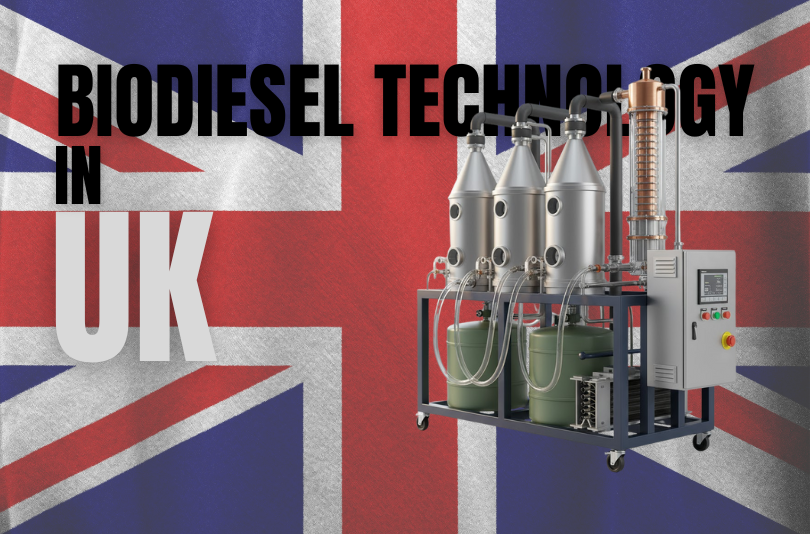
Introduction As the world is shifting away from fossil fuels, biodiesel technology in the UK has emerged as a key driver of Europe toward renewable and sustainable energy. Across the United Kingdom, businesses, farmers, and energy producers are embracing biodiesel as a cleaner alternative to petroleum diesel that is more economical. With its substantial industrial base, leading research facilities, and strong environmental policies, the UK has emerged as one of the leading markets for biodiesel technology in Europe. From small-scale setups to industrial-grade refineries, the demand for modern biodiesel technology in the UK is growing fast, helping industries cut carbon emissions, save energy costs, and create long-term economic value. This article explores how biodiesel technology in the UK is transforming the nation’s energy landscape, what makes biodiesel such a critical driver of Europe’s green future, and why now is an excellent time to invest in it. What is Biodiesel Technology in UK Biodiesel technology in the UK applies to the chemical and mechanical process that turns renewable feedstocks into biodiesel fuel, including used cooking oil, vegetable oils, animal fats, and agricultural waste. Transesterification is the general chemical process in which the triglycerides present in the fat and oils undergo a chemical reaction with an alcohol, namely methanol or ethanol, using a catalyst to produce biodiesel (methyl esters) and glycerin as a by-product. Clean, efficient, and consistent fuel production is ensured by modern biodiesel technology in the UK through combining automation, advanced control systems, and environmental safeguards. Resulting biodiesel from this process is according to European standard EN 14214 and, hence, compatible with existing diesel engines, conforming to EU regulations. Why the UK is a hotspot for biodiesel technology Several factors make the United Kingdom an attractive market for biodiesel technology in UK and Europe as a whole, both economically and in terms of policy. 1. Government Regulations and Green Targets The UK government’s commitment to achieving Net Zero by 2050 drives investment in renewable fuels. With Renewable Transport Fuel Certificates and the Renewable Fuel Obligation, companies that adopt biodiesel technology in the UK are incentivized for the use of sustainable fuel sources. 2. High Fuel Prices and Energy Security Fuel imports are expensive and volatile. Producing biodiesel locally using biodiesel technology in the UK allows industries to reduce costs and rely less on global crude oil markets. 3. Strong Research and Innovation Ecosystem UK universities and clean-tech firms continue to innovate in the field of biodiesel, continuously improving its yield, energy efficiency, and waste utilization. 4. Alignment with the European Green Deal The UK remains part of Europe’s renewable movement. EU policy, such as RED III, requires countries to expand renewable transport fuel use. This harmonized framework ensures that biodiesel technology in the UK also benefits regional markets. How Biodiesel Technology in UK Works The biodiesel technology in UK can be summarized into five main stages of the process of producing biodiesel. Step 1 – Feedstock Preparation Various feedstocks, such as waste cooking oil or virgin vegetable oil, are gathered and filtered to eliminate impurities. Step 2 – Transesterification Reaction The oil is mixed with methanol and a catalyst, usually sodium hydroxide, in the reactor. The reaction converts the oil into biodiesel and glycerin. Step 3 – Separation Separation of glycerin from biodiesel: Under advanced biodiesel technology in UK, automated separators ensure much less human error and higher purity. Step 4 – Washing and Drying The biodiesel is washed to remove residual chemicals and water. Step 5 – Storage and Distribution Finally, the finished biodiesel is stored and ready for use in vehicles, generators, or heating systems. Modern biodiesel technology in the UK ensures closed-loop systems that recycle methanol and reduce emissions during the process. Advantages of Biodiesel Technology in UK Clean and Renewable Biodiesel is biodegradable and nontoxic. Using biodiesel technology in the UK cuts greenhouse gas emissions by up to 80 percent compared to fossil diesel. Cost Savings Industries and transport operators can significantly lower their fuel bills. More importantly, by converting waste into energy, biodiesel technology in UK turns an environmental problem into an economic benefit. Waste Utilization The UK generates large volumes of used cooking oil and animal fats. Biodiesel technology in the UK effectively reuses such wastes, thus supporting the circular economy. Engine Compatibility Biodiesel works in most diesel engines with little or no modification, making it easy for businesses to adopt. Policy Compliance Under the government renewable fuel program, sustainability credits are provided to companies in the UK using biodiesel technology. Job Creation and Rural Development From feedstock collection right through to plant operations, the biodiesel industry supports thousands of jobs, both in rural and industrial regions. Types of Biodiesel Technology in UK Small-Scale Systems Suitable for farms, small fleets, and municipal facilities, these compact units are capable of producing from 100 up to 500 litres per day. Medium-Scale Plants Used by regional cooperatives or fuel distributors. They produce 1–5 tons per day and feature semi-automated controls. Industrial-Scale Facilities Large refineries operating on a continuous basis with the capacity for 10–20 tons per day: these systems represent the highest tier of biodiesel technology in UK, with fully automated PLC systems, advanced emission control, and waste heat recovery. Cost of Biodiesel Technology in UK The cost of establishing biodiesel technology in the UK relies on production scale, automation level, and certification standards. A small unit starts around £25,000 to £40,000. A medium semi-continuous setup typically costs between £70,000 and £120,000. A large industrial facility may range from £150,000 to £400,000. Although the investment seems high, the payback period generally falls within 12–24 months due to fuel savings and revenue resulting from selling biodiesel and other by-products. Technical Features of Modern Biodiesel Technology in UK Stainless-steel reactors for durability and corrosion resistance. PLC and SCADA systems for automated monitoring. Methanol recovery units for higher efficiency. Condenser and separator units to ensure fuel purity. Catalytic systems for faster reaction and better yield. Advanced emission-control filters according to EU standards. Modular design for scalability. Every feature of
Biodiesel Technology in Poland – Powering a Sustainable Future for Europe
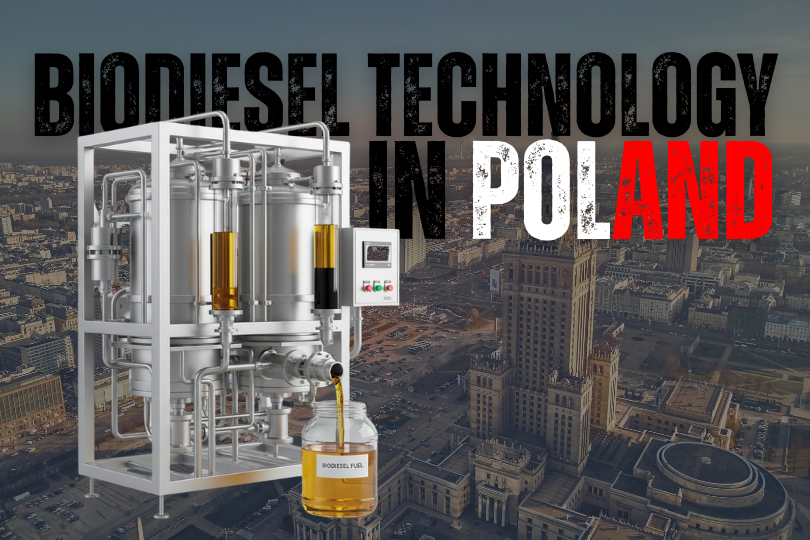
Introduction In a world moving toward cleaner energy, biodiesel technology in Poland has emerged as one of the most promising solutions in terms of reducing carbon emissions and fostering sustainability. Across Europe, nations are racing to achieve energy independence and net-zero goals, and Poland is no exception. With its growing agricultural base, industrial strength, and commitment to renewable energy, biodiesel technology in Poland is rapidly transforming the country’s energy landscape — creating new business opportunities, reducing waste, and contributing to the European Green Deal. In this blog, we delve into what makes biodiesel technology in one of the most important contributors to Europe’s renewable revolution: how it works, why it matters, and how businesses, farmers, and entrepreneurs can benefit from it. What Is Biodiesel Technology in Poland? Simply put, biodiesel technology in Poland refers to the process, machinery, and systems used to convert organic materials — such as used cooking oil, vegetable oils, and animal fats — into biodiesel fuel. This is a clean-burning fuel that can directly replace traditional diesel in engines, helping to lower CO₂ emissions while supporting Poland’s local energy production. The modern technology for the production of biodiesel in Poland is transesterification, a chemical reaction whereby triglycerides from oils or fats are converted into methyl esters (biodiesel) and glycerin. Advanced automation and chemical innovation have enabled today’s biodiesel technology in Poland to be much safer, more efficient, and more profitable than ever before. Why Biodiesel Technology in Poland Matters for Europe Europe has set ambitious targets under the EU Green Deal and Renewable Energy Directive (RED III), mandating that a significant share of renewable energy should be used in the transport sector by 2030. Poland, as one of the major energy consumers in Central Europe, is playing a crucial role. In embracing biodiesel technology, Poland supports EU sustainability goals and strengthens its own energy independence. Key Reasons Why Biodiesel Technology in Poland Is Booming: 1.Energy Independence: Poland currently imports large amounts of fossil fuels. Biodiesel technology in Poland reduces dependency on imports by producing renewable energy locally. 2.Environmental Goals: Biodiesel burns cleaner than petroleum diesel, reducing harmful emissions by up to 80%. 3.Government Support: Incentives that are provided by the Ministry of Climate and Environment in Poland for renewable fuels boost the use of biodiesel technology in Poland. 4.Agricultural Advantage: With its large areas of rapeseed and sunflower crops, perfect feedstocks for biodiesel, Poland is well-placed to ramp up biofuel production. 5.Job Creation: Expansion of biodiesel technology in Poland drives local employment in manufacturing, engineering, and green energy operations. How Biodiesel Technology in Poland Works Let’s discuss the process of biodiesel technology in Poland step by step, starting from the raw materials to ready-to-use fuel. Step 1: Feedstock Collection From restaurants, farms, and various industries throughout Poland, used cooking oil, animal fats, and vegetable oils are collected. Step 2: Pre-Treatment The collected oils are filtered to eliminate water, food particles, and impurities in order to ensure smooth processing in biodiesel reactors. Step 3: Transesterification In this core stage of biodiesel technology in Poland, the clean oil reacts with an alcohol (usually methanol) in the presence of a catalyst (like sodium hydroxide). This separates glycerin from the oil, producing biodiesel. Step 4: Separation & Purification The biodiesel is separated, washed, and dried by means of automated systems to achieve high purity levels according to European standard EN 14214. Step 5: Storage & Use The final product – pure biodiesel – can be used in trucks, buses, farm machinery, or mixed with conventional diesel fuel. Modern biodiesel technology in Poland integrates automation, digital monitoring, and waste heat recovery, making it both energy-efficient and cost-effective. Benefits of Biodiesel Technology in Poland The investment in biodiesel technology in Poland supports business, communities, and the environment in a number of ways: 1. Cleaner Energy Production Biodiesel burns with no sulfur or lead emissions, making the air in Polish cities even cleaner. 2. Reduced Fuel Costs With local production of biodiesel, industries can save up to 60% on the conventional cost of diesel. 3. Circular Economy Biodiesel technology in Poland gives value to waste materials like used cooking oil, creating a perfect circular economy model. 4. European Market Opportunities Polish-made biodiesel can be exported to other European nations, opening up new revenue channels. 5. Adherence to EU Legislation All the biodiesel technologies in Poland have met the strict European fuel quality and sustainability standards, ensuring full regulatory compliance. 6. Local Energy Security Decreasing reliance on imported oil will strengthen national energy stability and resilience. 7. Green Branding Advantage Businesses that use or produce biodiesel enhance their ESG (Environmental, Social, Governance) reputation. Types of Biodiesel Technology in Poland Depending on the capacity and industrial scale, several types of technology for biodiesel production are available in Poland: 1. Small-Scale Units Ideal for farms or small businesses. Capacity: 100–500 liters per day. Affordable, easy to use, and doesn’t require much maintenance. 2. Medium-Scale Systems Suitable for cooperatives and regional biodiesel projects Capacity: 1–5 tons per day. Semi-automated with smart controls. 3. Industrial Biodiesel Plants High-capacity systems for continuous production. Capacity: 10–20 tons per day or more. Fully automated, with emission control and PLC systems. Each type of Biodiesel technology in Poland can be customized, based on your feedstock source, the required output, and your business model. Cost of Biodiesel Technology in Poland The cost of establishing the biodiesel technology in Poland depends on many variables, including plant capacity, degree of automation, equipment quality, and certification. For small-scale production, systems start around €25,000–€40,000. A medium-sized plant may range between €70,000–€120,000. For Poland, the cost varies between €150,000 and €400,000, pending customisation and efficiency, while fully continuous biodiesel technology. Although the investment may seem significant, most investors achieve full ROI in 18–24 months due to savings on fuel, government incentives, and carbon credit earnings. Key Features of Modern Biodiesel Technology in Poland A cutting-edge biodiesel technology in Poland includes the following features: Stainless-steel reactors for chemical durability. Automated PLC control system for real-time monitoring. Condensation and
Biodiesel Production Machine in France – Powering Europe’s Green Energy Future
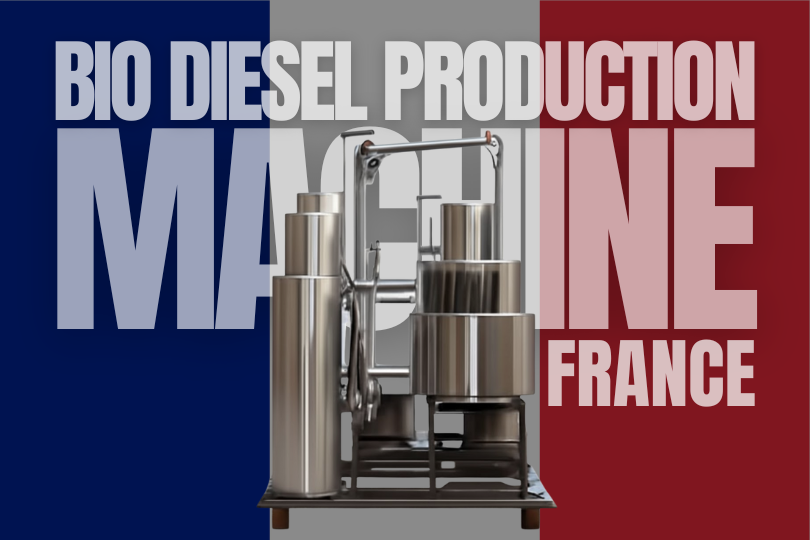
Introduction In France and the wider European Union, renewable energy has become an unstoppable force. Of all the green technologies, biodiesel represents a pragmatic, viable, and economically feasible fuel alternative. At the center of this transformation stands one technology as industries, farmers, and transport companies seek cleaner solutions: the Biodiesel Production Machine in France. This professional system enables you to transform waste oils, animal fats, and plant-based oils into pure, engine-ready biodiesel. Be it for entrepreneurs, farmers, or operators in the heavy industrial sector, an investment in a biodiesel production machine based in France offers huge opportunities for energy self-sufficiency, considerable cost savings, and environmental leadership. Let’s delve into the way this machine works, why France is a hotbed for biodiesel innovation, and why this is the perfect time to invest. What is a biodiesel production machine in France? A biodiesel production machine in France is a specialized system which transforms feedstocks, such as used cooking oil, vegetable oil, or animal fats, into biodiesel fuel by means of a chemical process called transesterification. In simple terms, the biodiesel production machine changes waste into valuable fuel, taking raw material that would otherwise pollute the environment and turning it into clean, renewable energy. It generally includes reactors, separators, heating tanks, and filtration systems that ensure the biodiesel meets the standards for EN 14214 European fuel, which is the benchmark for all high-quality renewable fuels in Europe. With automation, digital monitoring, and low-emission designs, modern biodiesel production machines in France are efficient, safe, and built for long-term use. Why France Is a Growing Hub for Biodiesel Technology France ranks amongst the top in renewable fuel development amongst the European nations. With government initiatives, green energy incentives, and a rising mindset towards the circular economy, the biodiesel production machine is a highly sought-after industrial asset in France. Here’s why this trend is booming: 1. Strong Government Support France’s “Energy Transition for Green Growth Act” encourages companies to shift towards renewable sources of energy. Grants, subsidies, and tax credits are available to biodiesel manufacturers, making the purchase of a biodiesel production machine in France more affordable than ever. 2. High Diesel Consumption France depends greatly on diesel fuel for transportation and agricultural purposes. The use of a biodiesel production machine in France to convert waste oils into biodiesel will reduce the country’s dependence on imported fossil fuels. 3. Circular Economy Goals The French government encourages recycling and waste-to-energy solutions, and using waste oils for biodiesel fits that mandate perfectly. 4. EU-Wide Mandates Under the European Green Deal and the RED III Directive, all EU members, France included, have to increase renewable fuel usage in transport by 2030, further fuelling demand for the biodiesel production machine in France. How a Biodiesel Production Machine in France Works To understand the power of this technology, here’s a quick breakdown of how the biodiesel production machine in France operates: Step 1 – Feedstock Preparation Used cooking oils or virgin vegetable oils are filtered and pre-treated to remove impurities. Step 2 – Transesterification The oil reacts with methanol in the presence of a catalyst — typically sodium hydroxide or potassium hydroxide. This process converts triglycerides into methyl esters, more commonly referred to as biodiesel, and glycerin. Step 3 – Separation The biodiesel production machinery in France separates glycerin from biodiesel by using advanced centrifugation systems. Step 4 – Washing & Drying The biodiesel is washed to remove the residual impurities, followed by drying to meet the quality standards. Step 5 – Storage & Output The clean biodiesel is stored, ready for use or commercial sale. Every litre of the product a biodiesel production machine produces in France is high-purity, renewable fuel that can be used in a standard diesel engine with little or no modification. Advantages of Investing in a Biodiesel Production Machine in France 1. Reduce Waste and Pollution This French biodiesel production machine transforms waste oil into renewable energy that decreases the landfill burden and cuts down on carbon emissions. 2. Save on Fuel Costs Companies using biodiesel often save up to 60 % on diesel costs. You are in control of the production and pricing with your own machine. 3. Meet EU Compliance All biodiesel produced through a genuine biodiesel production machine in France meets the environmental standards of the EU, hence qualifying for green certification and credits. 4. Profitability and ROI Sell excess biodiesel, carbon credits, or by-products like glycerin. Most producers can achieve return on investment within 18 months. 5. Strengthen Sustainability Credentials French and European consumers increasingly prefer eco-friendly brands. Using a biodiesel production machine in France enhances your ESG score and public image. Types of Biodiesel Production Machines in France Different industries have different needs; here are the main types available: 1. Small-Scale Units Perfect for farms, hotels, and small manufacturing setups. They produce 100–500 litres of biodiesel per day. 2. Medium-Scale Machines Designed for cooperatives and mid-sized enterprises producing up to 5,000 litres daily. 3. Industrial Biodiesel Plants Fully automated, continuous systems producing 10,000 litres or more daily. These large-scale biodiesel production machines in France are ideal for major industrial users and municipalities. Cost of Biodiesel Production Machine in France The cost depends on the production capacity, level of automation, and manufacturer. A small-scale biodiesel production machine in France typically starts around €25,000 to €40,000. A medium-capacity semi-continuous machine ranges from €70,000 to €120,000. Meanwhile, a completely continuous industrial system capable of 10–20 tons a day may cost between €150,000 and €400,000. While this may seem like a considerable investment, the savings on diesel and the possible revenues from fuel sales normally pay back totally within one to two years. Technical Features of a Modern Biodiesel Production Machine in France A top-of-the-line biodiesel production machine in France is designed with precision and safety: Stainless-steel reactor for heat and chemical resistance Fully automated PLC control system for consistent operation Efficient condenser and separator for higher oil yield Catalyst mixing chamber for faster reaction time Gas recycling to minimize energy use Emission control
Plastic Pyrolysis Machine in UK – Turning Waste into Fuel, The Smarter Way
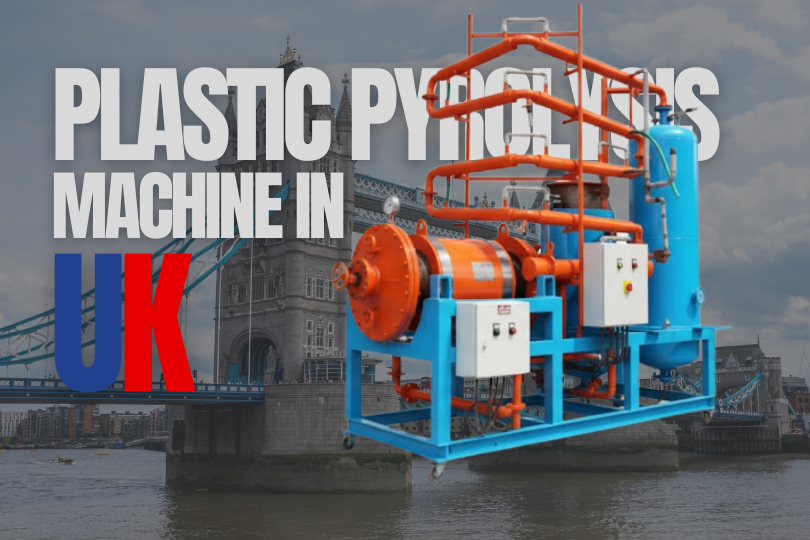
Introduction Across the UK and Europe, sustainability is no longer a buzzword — it’s a necessity. With landfills overflowing, plastic waste on the increase, and fossil fuel prices on the rise, industries and entrepreneurs alike seek cleaner, smarter, more profitable alternatives. Among many revolutionary solutions, one would be the Plastic Pyrolysis Machine in the UK. This technology not only helps reduce plastic pollution but also turns waste plastics into usable fuel, driving both environmental and financial benefits. If you’re in the UK or any part of Europe, investing in a Plastic Pyrolysis Machine in UK could be the smartest business move you make this decade. Let’s dive deep into how this machine works, why it is booming in Europe, and how Veera Group-a global leader in pyrolysis solutions-is helping industries achieve sustainable transformation. What is a Plastic Pyrolysis Machine in UK? A Plastic Pyrolysis Machine in UK is a customized industrial setup designed to convert waste plastics like LDPE, HDPE, PET, and PP into valuable fuels such as diesel, gasoline, or pyrolysis oil through a process called pyrolysis. Pyrolysis refers to the decomposition of materials at high temperatures between 300°C and 600°C in an oxygen-free environment. It breaks the long-chain polymer molecules into smaller hydrocarbon chains, thus providing usable fuel, gas, and carbon black. Put simply-a Plastic Pyrolysis Machine in the UK transforms waste into wealth. It’s not just a machine; it’s a sustainable bridge between plastic recycling and renewable energy. Why the UK Needs Plastic Pyrolysis Machines Now More Than Ever The UK produces more than 2.5 million tonnes of plastic waste every year, of which nearly 60% finds its way into landfills or is exported elsewhere. However, the government’s zero-waste targets and circular economy initiatives drive industries toward finding smarter local recycling solutions. That’s where a Plastic Pyrolysis Machine in the UK becomes crucial. Key Drivers: 1.Strict UK Environmental Laws: The UK’s Plastic Packaging Tax and Net-Zero 2050 targets are forcing companies to adopt greener technology. 2.Fuel Shortage & High Prices: Pyrolysis of plastic into oil using a plastic pyrolysis machine in the UK gives an alternative energy solution. 3.Recycling Crisis: With the bans on plastic exports, local solutions like Plastic Pyrolysis Machines in UK are the future. 4.EU Green Transition: Europe’s Green Deal and carbon reduction goals are fueling massive demand for such technologies. In short, the Plastic Pyrolysis Machine in the UK aligns perfectly with the country’s climate and industrial goals of reducing waste, generating energy, and job creation. How Does a Plastic Pyrolysis Machine in UK Work? Let’s make it simple and clear. A Plastic Pyrolysis Machine in UK follows these main steps: 1. Feeding & Shredding Waste plastic is first shredded and loaded into the reactor. 2. Heating & Pyrolysis The shredded plastic in the Plastic Pyrolysis Machine in the UK is heated to about 400–600°C in an oxygen-free atmosphere to prevent combustion. 3. Vaporization With the rise in temperature, plastic degrades into hydrocarbon vapour. 4. Condensation This vapor is then condensed into liquid fuel, pyrolysis oil, which is the main output of the machine. 5. Gas Recovery The uncondensed gases are recycled back into the heating system, reducing energy consumption. 6. Carbon Black Collection The solid residue, carbon black, has a very broad application in the rubber and construction industries. Every Plastic Pyrolysis Machine in UK creates three valuable outputs: oil, gas, and carbon, at the same time as waste plastic is being eliminated. Benefits of Investing in a Plastic Pyrolysis Machine in UK If you’re considering this technology, here’s why the investment is worth every penny: 1. Waste Reduction Plastic pollution in the UK is a serious issue. A Plastic Pyrolysis Machine in UK reduces landfill dependency by converting non-recyclable plastics into fuel. 2. Renewable Fuel Production Each tonne of plastic can yield a maximum of 800 liters of oil, which can power generators, machinery, or be refined into diesel. 3. Energy Independence Industries can produce their own fuel with a Plastic Pyrolysis Machine in the UK, reducing dependency on imported petroleum. 4. Carbon Emission Control The pyrolysis process emits far fewer greenhouse gases compared to incineration or landfilling. 5. Economic Profitability Multiple streams of income emanate from the sale of pyrolysis oil, carbon black, and gas. 6. Government Incentives Both the UK and EU incentivize renewable energy projects through subsidies, grants, and low-interest financing for Plastic Pyrolysis Machines in the UK. 7. Scalable and Future-Ready Whether you are a small recycler or a large industrial group, you can start with a small unit and easily expand capacity. Types of Plastic Pyrolysis Machines in UK Depending on your scale and business model, there are several types of Plastic Pyrolysis Machines in UK available: 1. Batch-Type Machine Ideal for small-scale setups. Manual loading/unloading. Cost-effective and simple to operate. 2. Semi-Continuous Machine Medium capacity. Balanced automation and cost. Suitable for mid-level industrial users. 3. Fully Continuous Machine 24/7 operation. Automated feeding and discharging system. Best for large-scale commercial production in Europe. All these types of Plastic Pyrolysis Machines in UK are designed to handle mixed plastics like PE, PP, PS, and more — ensuring maximum conversion efficiency. Technical Features of a Modern Plastic Pyrolysis Machine in the UK A high-performance Plastic Pyrolysis Machine in UK includes: The reactor is made of stainless steel that resists high temperatures. Cooling System: Efficient fuel condensation is ensured. Catalyst Chamber: Improves quality and yield of oil. Oil-Gas Separator: Filters and separates impurities. Gas Recycling System: Reduces energy costs by reusing syngas. Emission Control System: Meets strict UK and EU environmental standards. PLC Automation: enables smart, safe, and efficient operation. With these features, the Plastic Pyrolysis Machine in UK is engineered for reliability, safety, and sustainability. Cost of Plastic Pyrolysis Machine in UK Pricing depends on capacity, automation, and brand. Below is an approximate breakdown: The cost of a Plastic Pyrolysis Machine in UK varies depending on the production capacity, automation level, and brand quality. For small-scale operations, a batch-type plastic pyrolysis machine with a capacity of around
Biodiesel Machine for Sale in Europe: The Future of Green Fuel is Arrived
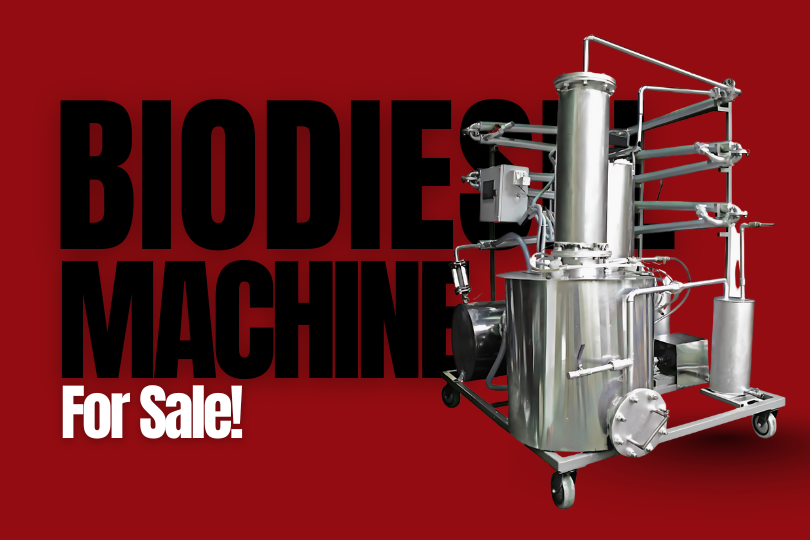
Introduction In today’s fast-evolving energy landscape, biodiesel machine for sale in Europe is leading the global shift toward cleaner and renewable energy. Among all the innovative solutions available, biodiesel production stands tall as one of the most practical and profitable choices. If you’ve been searching for a biodiesel machine for sale, you’re already thinking in the right direction — toward sustainability, self-reliance, and long-term cost savings. This is an in-depth guide that will walk you through everything you should know to buy a biodiesel machine for sale in Europe, how it functions, its costing implications, benefits, and how it can make your business an environmental giant. What is a Biodiesel Machine and Why It Matters A biodiesel machine sale (or biodiesel unit) is a device which processes waste oils, vegetable oils, or animal fats and transforms them into biodiesel fuel through a transesterification process. The resulting fuel can be employed to power diesel engines, reduce carbon emissions, and lower petroleum diesel reliance. When you see listings for a for-sale biodiesel machine for sale, you are looking at equipment capable of turning used cooking fat or agricultural waste into valuable clean energy. To many European industries — logistics and transport, agriculture, and waste disposal — this is cost saving and sustainable. Be it Germany, France, Italy, or the UK, purchasing a biodiesel machine for sale is an investment in Europe’s renewable energy goals and business efficiency enhancement. Europe’s Stable Market for Biodiesel Machines Europe has one of the strongest markets for producing biodiesel globally. The European Union’s RED II and RED III Renewable Energy Directive mandate a higher percentage of renewable fuels in transportation and industry. Having a biodiesel machine for sale thus becomes a lucrative business opportunity for entrepreneurs, small industries, and even farmers. Why Europe is Leading the Way Government Support: Tax relief and incentives for renewable energy producers. Abundant Feedstock: Easy access to waste cooking oil, crop residues, and animal fats. Rising Diesel Prices: The price of fossil fuels compels businesses to switch to biodiesel. Pressure for Sustainability: Sustainable operations are preferred by consumers and businesses alike. Simply put — buying a biodiesel machine for sale in Europe is not merely a machinery acquisition; it is an investment in the future of clean energy in the continent. How a Biodiesel Machine Functions – The Science Simplified Let’s break the mystic of how your equipment for sale biodiesel produces fuel. Feedstock Collection: Collect raw feedstock such as used cooking oil, soybean oil, or animal fats. Filtration: The device cleans impurities to supply clean feedstock. Chemical Reaction (Transesterification): Methanol and a catalyst are added, breaking glycerin and biodiesel apart. Separation & Washing: The process cleanses the biodiesel by removing byproducts. Drying & Output: Clean biodiesel is collected, ready to power engines. High-tech biodiesel machinery for sale in Europe is highly automated — little human intervention, straightforward digital control, and consistent quality output. Why Buy a Biodiesel Machine for Sale in Europe? The growing renewable energy requirement in Europe offers the perfect environment for biofuel technology. With the acquisition of a biodiesel machine for sale, you can: Save up to 70% in fuel expenses Convert waste into profits Comply with EU renewable energy directives Enjoy a strong green-branded reputation Be energy independent A for-sale biodiesel plant is not in the domain of big business alone — small consumers like farmers, transportation companies, and local government are going the extra mile with this technology to generate savings and build sustainable energy infrastructure. Types of Biodiesel Machine for Sale If you examine the European market in biodiesel Machine for sale, you will find several possibilities based on capacity, automation, and configuration. 1. Small-Scale Biodiesel Machine Suitable for local businesses or farm applications, this unit can produce 50 to 500 liters/day. It’s cheap, compact, and ideal for domestic use. 2. Medium-Scale Biodiesel Machine Suitable for small-scale industries and transport companies, these units produce 500 to 5,000 liters/day, striking a balance between price and capacity. 3. Industrial Biodiesel Machine for sale Large-scale producers have the capacity to use industrial units, which produce 10,000 liters/day or more. These automatic devices are designed for commercial biodiesel plants. No matter your scale, you will receive a biodiesel machine for sale in Europe to suit your production requirements. Choosing the Right Biodiesel Machine for Sale – Key Considerations When buying a biodiesel machine for sale, consider the following key factors: 1. Production Capacity How many gallons of biodiesel do you need to produce daily? Choose a machine that meets your requirement. 2. Feedstock Compatibility Ensure the machine can handle several oils (used cooking oil, palm, soybean, jatropha, etc.). 3. Automation Level Fully automated machines save labor and improve consistency. 4. Quality Standards Look for machines that meet EN 14214 European Biodiesel Standards. 5. After-Sales Support Reliable suppliers in Europe provide installation, training, and maintenance. By evaluating these aspects, you’ll choose the perfect biodiesel machine for sale for your business. Cost of Biodiesel Machines for Sale in Europe The cost of a for-sale biodiesel equipment varies according to capacity, design, and features. Here is an estimated cost range: Small-scale unit: €4,000 – €10,000 Medium-scale unit: €15,000 – €50,000 Industrial-scale unit: €75,000 – €250,000+ Although it is an upfront cost, most of the companies recover within 1–2 years on fuel saving. And with government schemes in Europe, the ROI comes even sooner. If you’re considering buying a biodiesel machine for sale, remember: cheaper isn’t always better — focus on quality, certification, and reliability. Benefits of Owning a Biodiesel Machine for Sale Cost Efficiency: Save thousands annually on diesel expenses. Environmental Impact: Lower CO₂ emissions and meet green standards. Waste Utilization: Turn used cooking oil into valuable energy. Energy Independence: Produce your own fuel, avoid market volatility. Scalability: Start small and expand production easily. Regulatory Compliance: Attain EU renewable fuel standards. Sustainable Branding: Create loyalty and trust by promoting green energy. Having a machine for sale that produces biodiesel converts your waste into wealth — literally. Top European Countries to Invest
Why Europe Needs a Reliable Biodiesel Processor Machine : Expertise, Trends & Opportunities
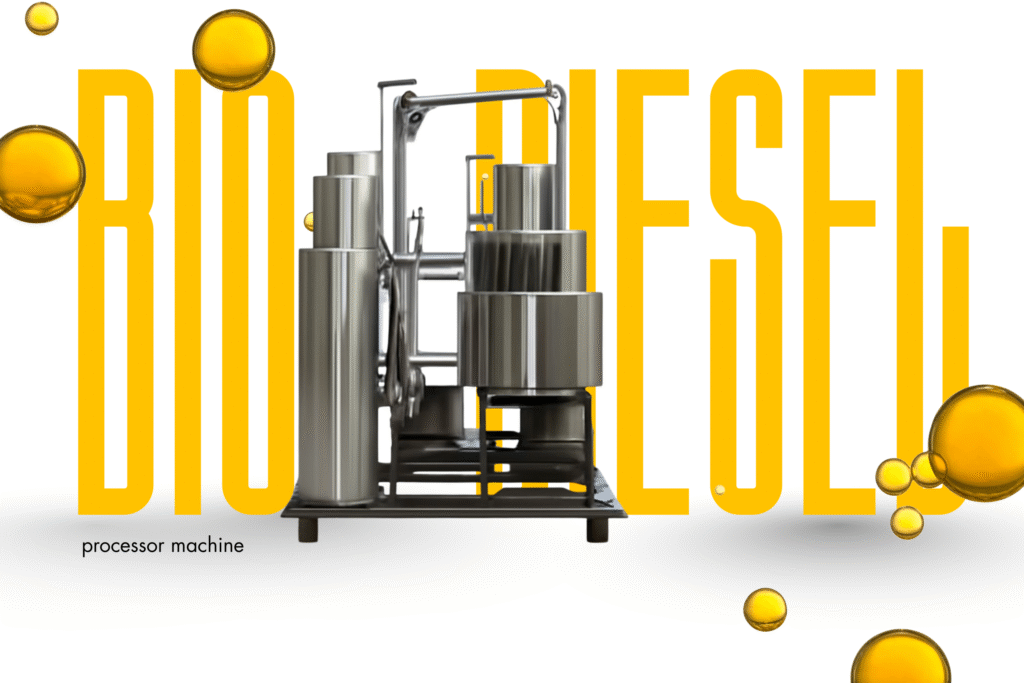
Introduction In today’s drive for cleaner energy and sustainable fuels, the role of a high-quality Europe-based biodiesel processor machine has never been more pivotal. If you’re operating in the transport, industrial or marine sectors across Europe, understanding how a biodiesel processor fits into your strategy is essential. In this blog we will be talking about what a biodiesel processor is, how they work, why Europe is a growth market, what to expect in the areas of expertise and trust, and how you can collaborate with the right biodiesel processor for your needs. What is a Biodiesel Processor machine? A biodiesel processor machine has been defined as a facility, plant or equipment that takes the feedstocks (such as vegetable oils, waste-cooking oil, animal fat or other renewable lipids) and processes them to biodiesel fuel using a transesterification process or other newer technologies. The definition also covers the company/operation running that conversion, refining, quality assurance and end-user sale/distribution of biodiesel. When European governments and businesses are working towards decarbonisation, is the key connecting point: converting waste or sustainable feedstocks into specification and regulatory compliant fuel. By choosing a biodiesel processor machine, you’re not just choosing a service company — you’re choosing a partner with thorough technical know-how, regulatory knowledge (specifically under EU regulations) and operations excellence. Why Europe is a Strong Market for the Biodiesel Processor Role Growing market size & policy support The biodiesel industry in Europe is expanding continuously. The Europe biodiesel market was around USD 19.5 billion in 2024 and is projected to reach USD 32.2 billion by the end of 2033 at a CAGR of about 5.7%. Yet another projection places the Europe biodiesel market value at USD 21,246.9 million in 2024 and potentially reaching USD 29,760.9 million by 2034 at a CAGR of 3.4%. These figures reinforce that investing in or partnering with a Europe biodiesel processor is consistent with medium-term growth. Regulatory and environmental drivers The region is regulated by ambitious climate targets, including the Renewable Energy Directive II (RED II) and forthcoming RED III legislation, that promote increased renewable fuel content in transport. A strong Europe-centric biodiesel manufacturer will be familiar with, and comply with, such levels, in order for their product to be eligible for incentives, credits and market access. Feedstock evolution and circular economy European feedstock trends are shifting: more and more, waste-based feedstocks (used cooking oil, animal fats) rather than just crop-based oils. For example, nearly a quarter of biofuel consumption in the EU in 2020 was derived from waste feedstocks. That means that an modern-day biodiesel processor machine must adapt to mixed feedstocks, maintain quality, and ensure that the product is compliant with technical standards for engines (EN 14214 standards, etc). Regional leadership Leader countries such as Germany produce a lot of biodiesel. For example, Germany was among the leading European countries producing biodiesel in past years. Having a presence in or an association with a European biodiesel translates to local logistics, compliance knowledge, and mature supply chains. What to Look for in a High-Quality Biodiesel Processor machine When you evaluate potential partners for your European business, consider the following factors: Technical know-how & feedstock flexibility Is the biodiesel designed for diverse feedstocks (virgin vegetable oils, waste cooking oil, animal fats, residues)? Does their facility have advanced transesterification or advanced conversion technology (assuring high yield, low glycerol, high purity)? Do they hold certifications based on European standards (EN 14214, RED compliance, etc)? Do they have QA/QC processes in place (lab, testing, supply chain traceability)? Regulatory understanding & compliance Do they comprehend current and future European regulation on renewable fuels, incentives, certification, sustainability criteria? Are their processes audited and their reports transparent (for customers who may claim to use “renewable diesel” or are claim-eligible for credits)? Are they located with the correct certification bodies (e.g., ISCC, RED sustainability audits)? Supply chain & logistics capacity A biodiesel processor machine needs to have strong inbound feedstock supply and outbound product logistics (specifically in Europe). Geography matters: closeness to major feedstock sources, port access, inland transportation arrangements. Turn-round times, storage, blending capacity, ability to supply your country/region. Customer service, trust & partnership ethos Does the biodiesel processor machine act as more of a supplier or strategic partner? Do they seek continuous improvement, sustainability reporting, long-term contracting? Are there references, case studies, audited performance data? Transparency: Can one trace the feedstock origin, the stages of production, success in reducing emissions? Value for cost, but not at the expense of standards It can be feasible for a biodiesel processor machine to offer competitive cost, but lowest cost may not be optimal if quality or compliance has to be compromised. Ensure that the fuel used by your compatible with your engine and regulatory demands; otherwise, savings will cost you in rework, engine issues or regulatory risk. Principal Applications & Benefits of Utilizing a Biodiesel Processor machine in Europe Decarbonisation & sustainability credentials Using a proven proven , you can reduce your lifecycle CO₂ emissions, meet internal sustainability KPIs, and earn regulatory incentives. The value is greater than fuel price — it’s brand image and a matter of environmental responsibility. Compatibility and ease of operation Today biodiesel from a reputable biodiesel producer is often drop-in compliant with standard diesel engines (in the majority of cases via B100 or less blends) and does not always require detailed engine re-design. That is, it is easier to shift. Some companies, for example, highlight that their biodiesel production complies with EN 14214, which permits drop-in substitution. cargill.com Supply chain resilience & localization Having a locally based processor gives you shorter supply chains, reduced geopolitical risk, and often better logistical access. As feedstocks grow to be more quality-sensitive and regulated, a local can give you a competitive edge. Financial incentives & market access Because governments in the EU and Europe are promoting renewable fuels, a processor that meets sustainability requirements (waste feedstock, residues) can qualify you to claim credits, gain market benefits, or secure new contracts with “green fuel” specifications. Challenges & What