
Why a Biodiesel Kit is Important to Europe’s Transition to Low-Carbon Energy
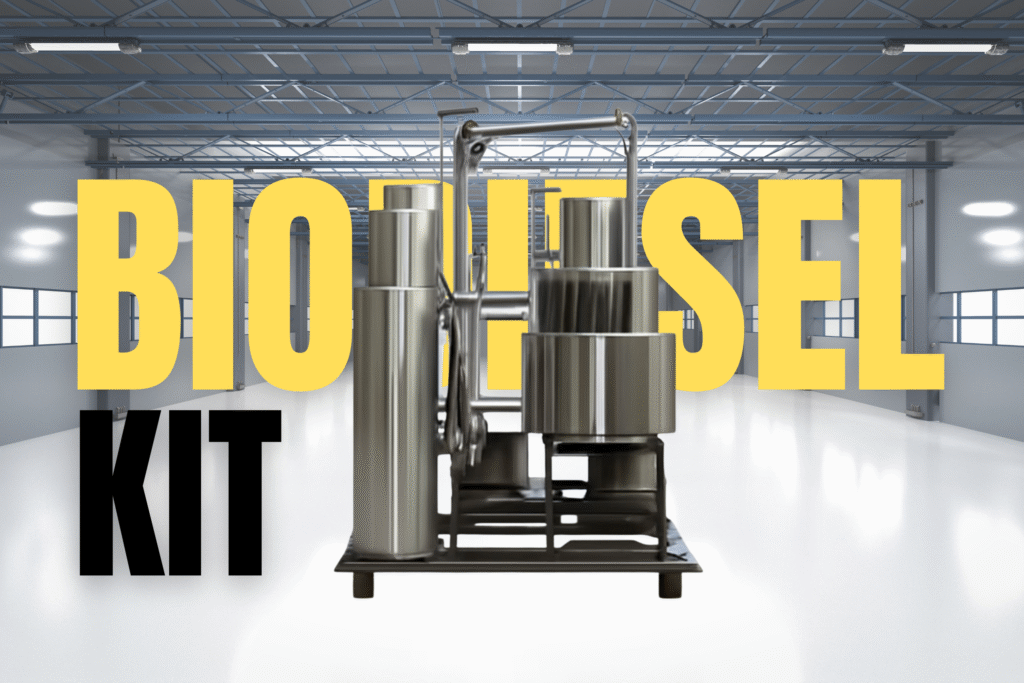
Introduction Ready to own your fuel future?If you’re in Europe and considering low-carbon options, the idea of using a Biodiesel Kit can be a real game-changer. Whether you’re a farmer in Germany, a fleet manager in Spain, or an eco-conscious beyond hobbyist in the Netherlands, an Easy Biodiesel Kit empowers you to convert waste oils into usable fuel—right where you are. Operating with a Biodiesel Kit is not just a DIY project—it’s a practical move toward achieving Europe’s climate neutrality, fuel independence, and sustainability goals. What is a Biodiesel Kit? Understanding the Concept A Biodiesel Kit is a set of modular equipment that allows you to make biodiesel from oils or fats — such as vegetable oils, used cooking oil (UCO), or animal fats.Typically, the kit includes: A reactor or processor Heating and filtration units Monitoring devices Storage tanks The end product is a renewable diesel substitute compatible with standard diesel engines or blends (like B20 or B100). Why a Biodiesel Kit is Important in Europe In Europe, the use of a Biodiesel Kit aligns perfectly with major environmental and market trends: Rapid growth of the EU biodiesel market driven by renewable energy policies Strong sustainability goals focused on carbon reduction and waste recycling Rising diesel prices and supply chain disruptions Increased demand for self-sufficient fuel systems on farms and in logistics sectors Key Features to Look for in a Biodiesel Kit When selecting your Biodiesel Kit, focus on: 1. Scale & Capacity Does it meet your daily production needs (liters per day)? 2. Feedstock Flexibility Can it handle used cooking oil, vegetable oils, or animal fats? 3. Compliance Does it meet European fuel standards (EN 14214)? 4. Safety & Durability Quality of reactors, filtration systems, and materials used. 5. Automation & Support Reliable customer support and smart automation features are vital for consistent output. Why Europe Is Ripe for Biodiesel Kit Adoption Regulatory Context and Market Growth Europe is one of the fastest-growing biodiesel markets in the world.According to market research, the EU biodiesel market is projected to reach USD 32.2 billion by 2033, growing at a CAGR of 5.7%.This reflects Europe’s commitment to low-carbon transport and renewable energy expansion. Economic and Environmental Incentives A Biodiesel Kit provides several economic and ecological benefits: Convert waste oils from restaurants or farms into renewable fuel Reduce dependency on imported fossil diesel Improve green brand reputation (important for EU grants and certifications) Participate in the circular economy by turning waste into energy Feedstock Trends and Real-World Usage Europe is shifting towards used cooking oil (UCO) and waste-based feedstocks for biodiesel production.If you operate a Biodiesel Kit, ensure it can process variable-quality feedstocks — a vital factor for sustainable operations. How a Biodiesel Kit Works – Step by Step Step 1: Collecting Feedstock Gather raw materials — vegetable oil, UCO, or animal fat — from local sources such as restaurants, food processors, or farms.Filter and dewater the oil before use. Step 2: Pre-Treatment and Filtration Remove impurities, sediments, and moisture to ensure smooth conversion and prevent contamination. Step 3: Conversion (Transesterification Process) Inside your Biodiesel Kit, the oil undergoes a chemical reaction (transesterification) using catalysts, heat, and agitation to convert fats into biodiesel and glycerin. Step 4: Washing and Drying Clean the biodiesel to remove residual catalysts, soaps, and glycerin. Dry it completely before testing. Step 5: Filtration, Testing & Storage Filter the biodiesel again and test it for compliance with EN 14214 standards (viscosity, cetane number, moisture level).Store it properly in cool, dry containers. Step 6: Use and Monitoring Blend and use your biodiesel (B20, B30, or B100) while monitoring engine performance, fuel stability, and emissions. Top Benefits of Using a Biodiesel Kit in Europe 1. Cost Savings & Energy Independence Reduce long-term fuel expenses and gain control over supply, independent of global oil price fluctuations. 2. Environmental Benefits Lower greenhouse gas emissions, reduce waste oil pollution, and support Europe’s carbon-neutral goals. 3. Feedstock Flexibility Use multiple feedstocks based on local availability—ideal for Europe’s diverse agricultural sectors. 4. Compliance & Reputation Proving sustainable practices strengthens your brand image and qualifies you for green grants and tax incentives. 5. Future-Proof Operations Meet future EU renewable energy directives (RED II and beyond) ahead of regulation. Challenges and Considerations for Biodiesel Kits in Europe Challenge 1: Regulatory Complexity Ensure your production meets EU standards (EN 14214), waste oil collection rules, and tax compliance. Challenge 2: Capital Investment Initial setup costs can be high—plan funding and scalability carefully. Challenge 3: Feedstock Quality Poor-quality feedstock affects conversion efficiency and fuel purity. Challenge 4: Quality Testing & Compatibility Continuous testing and documentation are needed to ensure vehicle compatibility. Challenge 5: Market Volatility Keep adaptable strategies as alternative fuels like HVO (Hydrotreated Vegetable Oil) enter the market. Expert Tips for Operating a Biodiesel Kit in Europe Tip 1: Choose the Right Kit Size Analyze your feedstock availability and fuel demand. Go for a modular, expandable Biodiesel Kit. Tip 2: Maintain Feedstock Traceability Record sources of your feedstock for sustainability verification and regulatory audits. Tip 3: Ensure Fuel Quality Test biodiesel output for compliance with EN 14214 before use. Tip 4: Seek Technical Support Choose suppliers offering training, documentation, and spare parts. Tip 5: Proper Storage Keep biodiesel in cool, dark places to avoid oxidation and contamination. Tip 6: Integrate into Business Operations Plan how your Biodiesel Kit fits within your energy procurement and fleet management systems. Tip 7: Monitor Incentives Stay updated on EU renewable energy grants and national incentive programs. Case Studies: European Leaders in Biodiesel Kit Adoption Germany – Market Leader Germany leads Europe with large-scale biodiesel facilities and robust waste-oil collection systems.👉 Partner with certified local suppliers for best results. Netherlands & Belgium – Strategic Trade Hubs These countries have advanced biodiesel infrastructure—ideal for feedstock collection and export operations. Southern Europe – Rising Players Spain, Portugal, and Italy are rapidly scaling biodiesel projects using used cooking oil and agricultural waste. Why Now Is the Perfect Time to Invest in a Biodiesel Kit 1. Strong Policy
Biodiesel Production in Germany: Driving a Sustainable Future
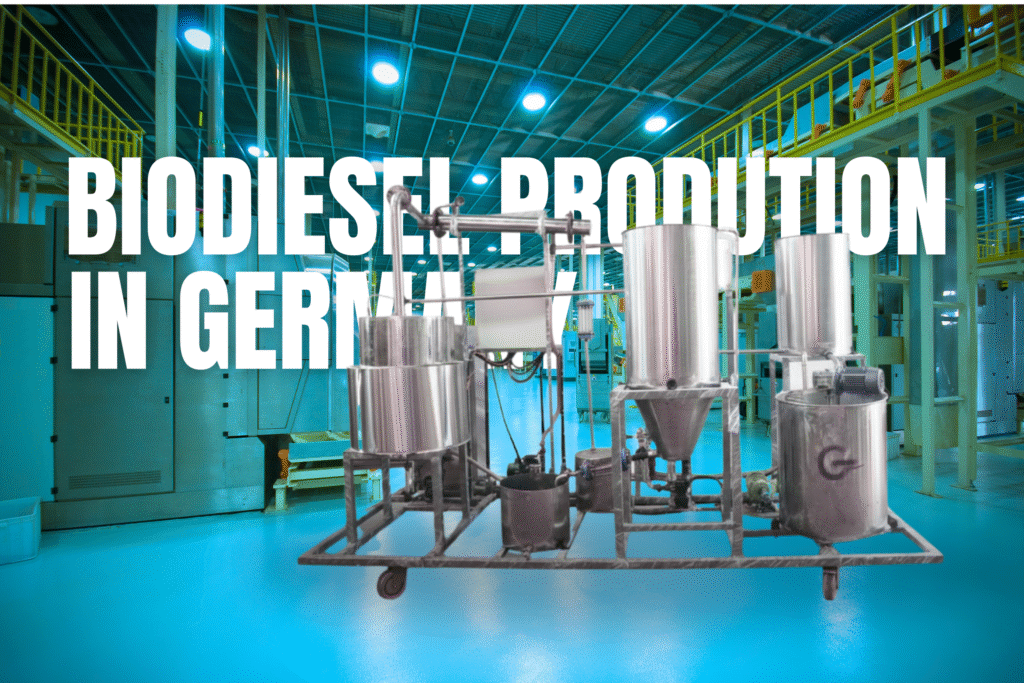
Germany has been a global pioneer in renewable energy, and one of its most significant achievements is biodiesel production in Germany. As the world faces climate change and rising fossil fuel concerns, biodiesel offers a cleaner, renewable alternative. Germany combines advanced technology, sustainability, and economic growth, setting an example for other countries. What is Biodiesel and Why It Matters Understanding Biodiesel Biodiesel is a renewable fuel produced from vegetable oils, animal fats, or waste cooking oils. Unlike conventional diesel, biodiesel is biodegradable, non-toxic, and emits fewer greenhouse gases, making it a more environmentally responsible choice. Significance of Biodiesel in Germany Germany’s emphasis on green energy has made biodiesel production in Germany a central part of its energy strategy. Beyond reducing reliance on imported fossil fuels, it stimulates the economy by creating jobs in agriculture, processing, and logistics. The History of Biodiesel in Germany Early Adoption in the 1990s Commercial biodiesel production in Germany began in the mid-1990s, supported by private investment and government incentives. Government Support and Policies Policies like the Renewable Energy Act (EEG) encouraged companies to invest in biodiesel. Today, Germany is among the leading biodiesel producers in Europe, recognized for quality, efficiency, and sustainability. How Biodiesel Production in Germany Works Step 1: Raw Material Collection Germany sources raw materials such as rapeseed oil, soybean oil, and used cooking oils, with rapeseed being the most widely used due to its high yield. Step 2: Transesterification Process The transesterification process is a chemical reaction where alcohol (methanol) and a catalyst (sodium hydroxide) convert oils and fats into biodiesel and glycerin. Step 3: Purification The biodiesel is purified to remove impurities, excess alcohol, and catalysts, ensuring it complies with European biodiesel standards (EN 14214). Step 4: Distribution The finished biodiesel is supplied to fuel stations, industrial consumers, and exported to other European nations. This process reflects Germany’s commitment to sustainability and the circular economy. Benefits of Biodiesel Production in Germany Environmental Advantages Reduces CO2 emissions by up to 80% compared to fossil fuels. Produces fewer particulates and sulfur, improving air quality. Economic Advantages Generates employment in farming, processing, logistics, and R&D. Promotes growth in the renewable energy sector. Energy Security Producing its own fuel helps Germany reduce dependence on imported fossil fuels, enhancing energy security. Sustainability Using waste oils and crop-based feedstocks supports eco-friendly production and reduces waste disposal issues. Trends in German Biodiesel Production Advanced Feedstock Research Germany explores algae and genetically modified crops to produce higher yields with lower environmental impact. Biorefinery Integration Modern plants integrate biodiesel production with biorefineries, enabling production of multiple bio-based products efficiently. Waste-to-Fuel Programs Recycling industrial waste and used cooking oils reduces emissions and promotes a circular economy. Government Incentives Subsidies, tax relief, and R&D support drive innovation and the expansion of biodiesel production in Germany. Challenges in Biodiesel Production Feedstock Availability Raw material supply can be affected by weather, crop yield, and global demand. Competition with Food Production Using crops such as rapeseed or soybean for biodiesel may conflict with food production, posing ethical and economic challenges. Technological and Financial Constraints Advanced production plants and biorefineries require significant investment, limiting smaller producers. Regulatory Compliance Strict European biodiesel standards ensure quality but also add regulatory complexity. Germany’s Role in Global Biodiesel Production Germany is a key player in Europe’s biodiesel market. Its experience, government support, and advanced technology serve as a model for other countries. Many European nations adopt Germany’s best practices, and Germany also exports biodiesel technology and expertise, shaping the global renewable energy sector. Future of Biodiesel Production in Germany Next-Generation Biofuels Research focuses on more efficient and environmentally friendly biodiesel variants. Integration with Electric Mobility Hybrid systems combining biodiesel engines with electric drives may become more prevalent. Smart and Automated Production Automation, AI, and IoT integration will make biodiesel production in Germany faster, cheaper, and more efficient. Germany’s commitment ensures that renewable fuels remain central to its energy policy. Conclusion Biodiesel production in Germany is more than just fuel manufacturing—it is a symbol of sustainability, innovation, and economic growth. Through advanced technology, eco-friendly feedstocks, and government support, Germany sets the benchmark for global renewable energy initiatives. Its approach offers valuable lessons for countries and businesses striving for a green and sustainable future.
Biochar Technology Europe – Transforming Sustainable Agriculture and Clean Energy
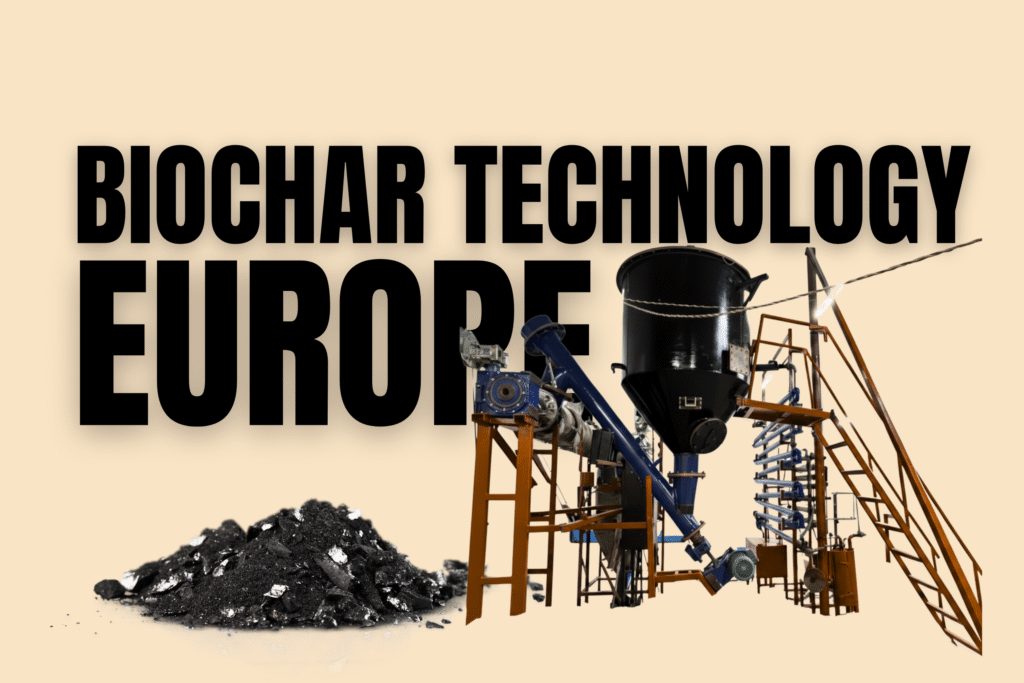
Intoduction Are you curious about how Europe is uniting sustainability, agriculture, and clean energy in one innovative solution?The answer lies in Biochar Technology Europe — a breakthrough in turning organic waste into valuable resources.From improving soil fertility to cutting carbon emissions, biochar is becoming a major player in Europe’s green revolution. In this blog, let’s explore what Biochar Technology Europe is, how it works, its benefits, challenges, and future potential in driving sustainable growth. What Is Biochar Technology Europe? Biochar Technology Europe is an advanced process that converts organic waste — like crop residues, wood chips, or animal manure — into biochar, a carbon-rich, charcoal-like substance.This is achieved through pyrolysis, where biomass is heated in low oxygen, creating a sustainable solution that improves soil quality, stores carbon, and supports Europe’s renewable energy goals. How Biochar Technology Europe Works Step 1: Gathering Biomass Organic residues from agriculture, forestry, or industries are collected for processing. Step 2: Pyrolysis Process The biomass is heated under controlled oxygen conditions, producing biochar, syngas, and bio-oil. Step 3: Biochar Application Biochar is added to soil to enhance fertility or used in industries for various eco applications. Step 4: Energy Recovery By-products like syngas are utilized to generate renewable energy — making the process efficient and self-sustaining. The Emergence of Biochar Technology in Europe Europe leads in adopting sustainable innovations, and Biochar Technology Europe is no exception.With strict emission targets and a strong focus on the circular economy, biochar plays a vital role in both climate mitigation and adaptation strategies. Leading European Countries in Biochar Adoption Germany Home to advanced agricultural technology, Germany is investing in large-scale biochar facilities. Netherlands Dutch farmers use biochar to improve soil nutrition and cut down on fertilizer use. Sweden Uses forestry waste to produce clean energy and soil conditioners via biochar systems. France Encourages biochar adoption in organic agriculture and sustainable vineyards. Top Benefits of Biochar Technology Europe The benefits of Biochar Technology Europe go far beyond farming — it supports the environment, economy, and energy efficiency. 1. Improved Soil Fertility Biochar retains moisture and nutrients like a sponge, enhancing crop yields and reducing chemical fertilizer dependency. 2. Carbon Sequestration Biochar locks carbon in soil for centuries, making it a powerful tool against climate change. 3. Waste Management Solution Instead of burning or dumping residues, waste is transformed into a valuable product. 4. Renewable Energy Production The process produces syngas and bio-oil, which can generate power — combining waste reduction with clean energy creation. 5. Economic Opportunities Investment in biochar industries creates jobs in manufacturing, research, and logistics — fueling green growth in Europe. Challenges Facing Biochar Technology Europe Despite its huge potential, a few challenges still limit wider adoption. High Initial Costs Building pyrolysis plants requires heavy investment, making it tough for small-scale farmers without government aid. Lack of Awareness Many communities remain unaware of biochar’s environmental and agricultural benefits. Regulatory Hurdles Different environmental laws across Europe make standardization and approval complex. Need for Technical Expertise Biochar production requires trained professionals to manage feedstock and pyrolysis efficiency. European Innovations Powering Biochar Technology Europe’s innovation in sustainability extends beyond agriculture — it’s reimagining biochar’s role in multiple industries. Biochar in Climate Action EU-funded projects integrate biochar into carbon offset programs, supporting Europe’s net-zero vision. Industrial Applications Used for water filtration, air purification, and even as a low-carbon building material in construction. Research and Development Universities and private sectors collaborate to optimize feedstock, pyrolysis efficiency, and biochar quality. Future of Biochar Technology Europe The future looks promising — with more funding, awareness, and R&D, Biochar Technology Europe will soon become a foundation of Europe’s sustainable growth. Circular Economy Integration Biochar supports the zero-waste concept — converting organic waste into valuable resources. International Influence European countries are now inspiring global adoption, with other regions learning from Biochar Technology Europe models. Biochar Technology Europe What is biochar? Biochar is a carbon-rich product made through pyrolysis of organic waste, mainly used to enhance soil and capture carbon. How does biochar help European agriculture? It improves soil fertility, enhances water retention, and reduces chemical fertilizer usage. Is biochar eco-friendly? Yes — it captures carbon, prevents pollution, and produces renewable energy. Can small farms use biochar technology? Yes, smaller pyrolysis units are available that make biochar technology accessible for small-scale farmers. Conclusion – Why Biochar Technology Europe Matters Biochar Technology Europe is not just an innovation — it’s a green revolution.From reducing emissions to enriching the soil, it’s helping Europe turn waste into wealth sustainably. By embracing biochar, Europe is shaping a cleaner, more circular, and more prosperous future, proving that sustainability and technology can grow hand in hand.
Buy Biodiesel Production Machine: Your Friendly Guide to Clean Energy in Europe and Beyond

Introduction In today’s rapidly changing world, fuel that helps the environment isn’t just a dream—it’s a necessity. That’s why many people and businesses are exploring ways to buy biodiesel production machines. These machines aren’t just pieces of equipment; they’re keys to making cleaner fuel from natural, renewable resources. If you’re curious about biodiesel and how a biodiesel production machine can transform your energy use, you’re in the right place. What Exactly Is a Biodiesel Production Machine? Imagine turning used cooking oils or plant-based oils into clean, efficient fuel usable in regular diesel engines—that’s what a biodiesel production machine does! Using a chemical process called transesterification, these machines transform waste or vegetable oils into renewable biodiesel fuel and valuable byproducts. For farmers, businesses, or even individuals committed to sustainability, buying a biodiesel production machine means producing eco-friendly fuel locally, reducing waste, and saving money. Why Is Europe Leading the Way in Biodiesel Production? European countries have pushed hard for renewable energy solutions. Policies like the European Green Deal encourage greener fuels, and biodiesel fits perfectly in this vision. In countries such as Germany, France, Italy, and the UK, farmers, transport companies, and energy businesses actively buy biodiesel production machines to meet environmental targets. Europe’s strict emissions laws combined with incentives for green technology make it a hotspot for biodiesel production innovation. So when you consider buying a biodiesel production machine Europe, you’re investing in equipment that’s not only practical but highly relevant for the future. Types of Biodiesel Production Machines You Can Buy If you’re starting your biodiesel journey, it’s good to know your options: Small Batch Machines: Great for small businesses or farms starting with biodiesel production; easy to operate and maintain. Continuous Production Machines: For industries or large-scale production with higher volume needs. Portable and Modular Systems: Flexible, easy to move, perfect for remote locations or fluctuating production requirements. Custom Industrial Plants: Large machines designed specifically for commercial operators with precise fuel production goals. When you decide to buy a biodiesel production machine, selecting the right type for your scale and feedstock makes all the difference. How to Buy a Biodiesel Production Machine Online Globally and in Europe Buying such specialized equipment online might seem complicated, but many trusted suppliers in Europe and worldwide have made it simple. Here’s how to approach it: Research Reputable Suppliers: Look for certifications, reviews, and proven track records. Understand Machine Details: Know capacity, power requirements, operation ease, and safety features. Check Regulatory Compliance: Different countries may have unique energy and safety regulations, especially in Europe. Arrange Shipping and Installation: Ensure the supplier offers professional shipping and installation support. Ask About After-Sales Service: Training, spare parts, and maintenance help are crucial for smooth operation. Most Active Countries Buying Biodiesel Machines in Europe Certain European countries lead in buying biofuel machinery: Germany: Pioneering technology and leadership in green energy manufacturing. France: Active in biodiesel transportation fuel and agricultural use. Spain: Growing investments in renewable energy projects including biodiesel. Italy: Utilizing Mediterranean crops and waste for efficient biodiesel production. United Kingdom: Increasing renewable initiatives driving biodiesel demand. These countries form the backbone of Europe’s biofuel machine market, but global interest is rising fast. Frequently Asked Questions About Biodiesel Production Machines Q1: Can biodiesel machines handle different oils? Yes, from vegetable oils like rapeseed and soybean to recycled cooking oils and animal fats. Q2: Are biodiesel production machines complicated to use? Many small and modular machines are user-friendly; larger ones may require technical training. Q3: What environmental benefits come with biodiesel production? Biodiesel burns cleaner than fossil diesel, reducing greenhouse gases by up to 86%. Q4: How quickly can I produce biodiesel? Small units produce fuel in a few hours, continuous machines operate steadily for higher yields. Q5: Do machines come with warranties and support? Top suppliers, especially in Europe, offer warranties and robust after-sales services. Why Buy a Biodiesel Production Machine? Owning a biodiesel production machine gives you: Energy Independence: Make your own fuel and reduce reliance on fossil fuels. Lower Costs: Produce biodiesel cheaper than buying traditional diesel. Environmental Impact: Significantly decrease carbon footprint and waste. Business Opportunities: Sell biodiesel or related products for profit or carbon credits. Buying a biodiesel production machine is more than an equipment purchase—it’s a sustainable lifestyle choice and business advantage. Tips for Choosing the Best Biodiesel Machine Supplier Look for Experience: Established companies offer proven products and services. Check Certifications: Certified machines meet EU safety and environmental standards. Customer Support: Reliable support means less downtime and smoother operations. Customization Options: Suppliers that tailor machines to your needs add extra value. The Future of Biodiesel Production Machines in Europe and Globally With climate concerns growing, the demand for renewable fuels like biodiesel only increases. Europe’s leadership in green energy policies boosts the biodiesel production machine market, encouraging innovation and cost reduction waste oil to diesel. Buying a biodiesel production machine today means getting ahead with technology that’s green, cost-effective, and scalable globally. Final Thoughts If you want to join the renewable energy wave, buying a biodiesel production machine is a practical, smart step. Europe’s rich market offers trusted suppliers, certified machines, and support to make your transition smooth Beyond. Green fuel is not just a trend—it’s the future. By making biodiesel yourself, you reduce waste, save money, and contribute positively to the planet. Explore your options, choose the right biodiesel production machine, and fuel your sustainable journey today!
Buy Biochar Machine Europe: Your Complete Guide to Sustainable Biochar Production
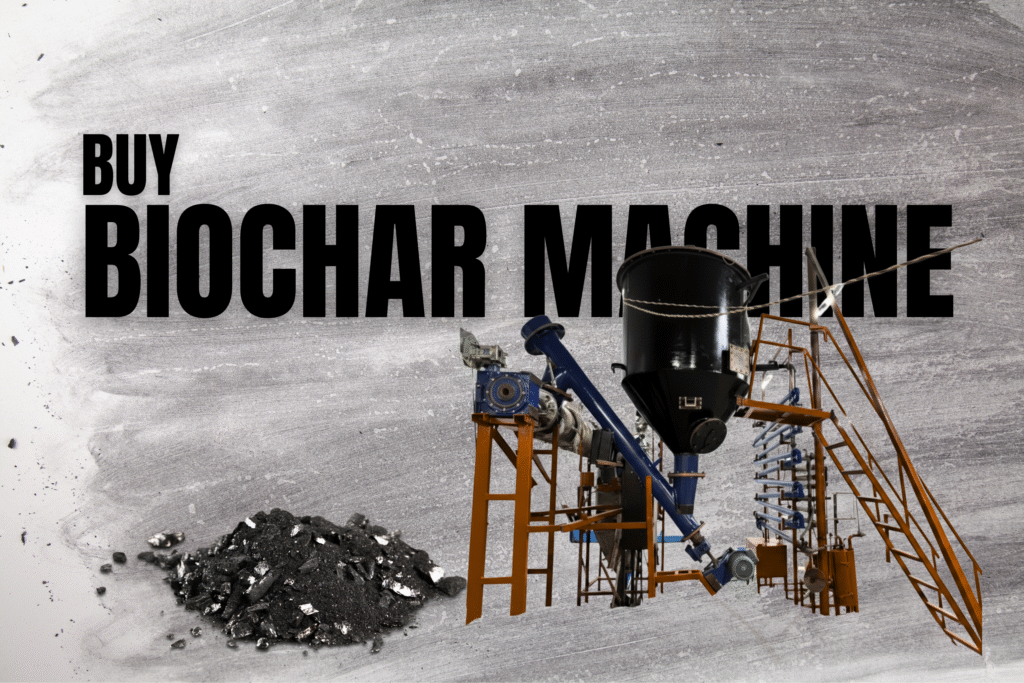
Introduction If you’re looking to buy biochar machine Europe, you’re stepping into a market that’s booming with innovative solutions for sustainable farming, renewable energy, and waste management. Over recent years, Europe has seen a sharp rise in interest around biochar machines—compact, efficient ways to convert organic waste into valuable biochar. This guide will help you understand why these machines are in demand, how to choose the right machine for your needs, and where to buy them online in Europe with confidence. What Is a Biochar Machine and Why Should You Buy One in Europe? A biochar machine is a pyrolysis unit that heats biomass in a low-oxygen environment to produce biochar, bio-oil, and syngas. Unlike simply buying biochar, owning or operating a biochar machine gives you full control over the production process. It’s a shift from being just a buyer to becoming a producer—ideal for farms, green businesses, or municipalities aiming to turn their organic waste into a valuable resource. In Europe, where sustainability policies are strict and green innovation is encouraged, buying a biochar machine Europe is becoming a popular choice for: Farmers wanting nutrient-rich soil amendments made on-site Businesses needing renewable energy solutions Waste management companies converting biomass into valuable products By investing in a biochar machine, you secure reliable, cost-effective biochar production while contributing to Europe’s carbon reduction goals. Why Europe Is a Hotspot for Biochar Machines Europe has emerged as a leader in environmental responsibility, driven by policies like the European Green Deal and carbon neutrality targets by 2050. This regulatory environment fuels demand for technologies like biochar machines that can reduce emissions and promote circular economies. Countries such as Germany, the Netherlands, Sweden, and Italy are hubs where farmers, municipalities, and companies actively seek to buy biochar machine Europe to comply with regulations and stay competitive. The machine market here is diverse, ranging from small portable units to larger industrial pyrolysis systems depending on need and budget. Types of Biochar Machines Available in Europe When you decide to buy biochar machine Europe, it’s important to know your options. The main types of biochar machines include: Batch Pyrolysis Units: Suitable for smaller-scale operations, these machines process biomass in batches. Ideal for farms or businesses just starting biochar production. Continuous Pyrolysis Systems: Designed for industrial or commercial scale, offering ongoing biomass processing with higher output rates. Modular Containerized Units: Compact and transportable machines housed in containers, perfect for businesses that need flexibility or remote operation. Custom-Built Systems: Tailored to specific biomass types and production goals, these machines offer maximum efficiency but usually come with higher costs. Choosing the right machine to buy biochar machine Europe depends on your biomass source, production scale, budget, and output objectives. How to Buy Biochar Machine Online in Europe Safely Purchasing heavy machinery online can be daunting, but several trusted European suppliers have streamlined the process. Follow these tips to ensure a smooth and secure purchase: Check Certifications: Look for machines certified to meet EU safety and environmental standards. Understand the Specifications: Confirm machine capacity, feedstock compatibility, energy consumption, and maintenance requirements. Compare Supplier Reputation: Choose companies with positive reviews, transparent communication, and good after-sales support. Arrange Delivery and Installation: Verify logistic options and installation services, especially if you’re ordering large industrial units. Seek Warranty and Support: Reliable warranties and technical assistance help protect your investment in a biochar machine Europe. Popular European Countries to Buy Biochar Machines Germany: The technology hub with manufacturers offering state-of-the-art pyrolysis units designed for efficiency and compliance. Netherlands: Known for innovation in sustainable farming machinery and bioenergy solutions. Sweden: Offers machines optimized for forest biomass and cold climate operation. Italy & Spain: Focused on agricultural machines suitable for Mediterranean climates and crop residues. France & UK: Home to several distributors and manufacturers providing a range of scalable biochar systems. Choosing from these countries gives you access to a variety of machine types, price points, and specialized features to fit your biochar production goals. FAQ – Buying Biochar Machines in Europe Q1: Can I buy a biochar machine online and get it shipped anywhere in Europe? Yes, many suppliers offer pan-European shipping, sometimes including installation and training. Always confirm logistics details upfront. Q2: What is the typical cost range for a biochar machine in Europe? Prices range widely, from around €10,000 for small batch units to over €200,000 for large-scale industrial systems depending on size and feature set. Q3: How much biomass can a biochar machine process daily? Smaller batch units process a few hundred kilograms per day; continuous systems handle several tons, based on model specifications. Q4: Is technical support available after purchase? Leading European suppliers provide extensive support, training, and maintenance services—key factors when planning to buy biochar machine Europe. Q5: Can I run a biochar machine myself, or do I need skilled operators? User-friendly models exist, but many machines require trained operators for optimal performance and safety. Benefits of Owning a Biochar Machine Buy biochar machine Europe brings numerous advantages: Cost Savings: Cut down on biochar purchase costs by producing your own supply. Eco-Friendly Waste Management: Convert locally available biomass waste into valuable biochar, reducing landfill use. Sustainable Agriculture: Apply fresh, on-site biochar to improve crops and soil health. Energy Production: Utilize byproducts like bio-oil and syngas as renewable energy sources. Carbon Credits: Potentially earn credits by producing carbon-negative products in line with EU climate targets. These benefits make owning a biochar machine a smart investment for farmers and green businesses seeking long-term sustainability buy biochar machine . How to Choose the Right Biochar Machine Supplier When ready to buy biochar machine Europe, consider this checklist: Experience & Track Record: Established companies with a proven history usually offer better quality and reliability. Product Range: Availability of machines fitting your capacity needs, with options to upgrade or customize. Certifications: Compliance with EU safety & environmental standards such as CE marking. After-Sales Service: Installation support, training, and maintenance plans. Customer Feedback: Positive reviews and referrals from other European customers. Selecting suppliers who provide clear product info, transparent pricing, and strong customer service ensures your biochar machine investment pays off. Future Outlook: The Growing Market for Biochar Machines in Europe As Europe continually advances ambitious climate
Biochar for Agriculture in Germany: The Future of Sustainable Farming
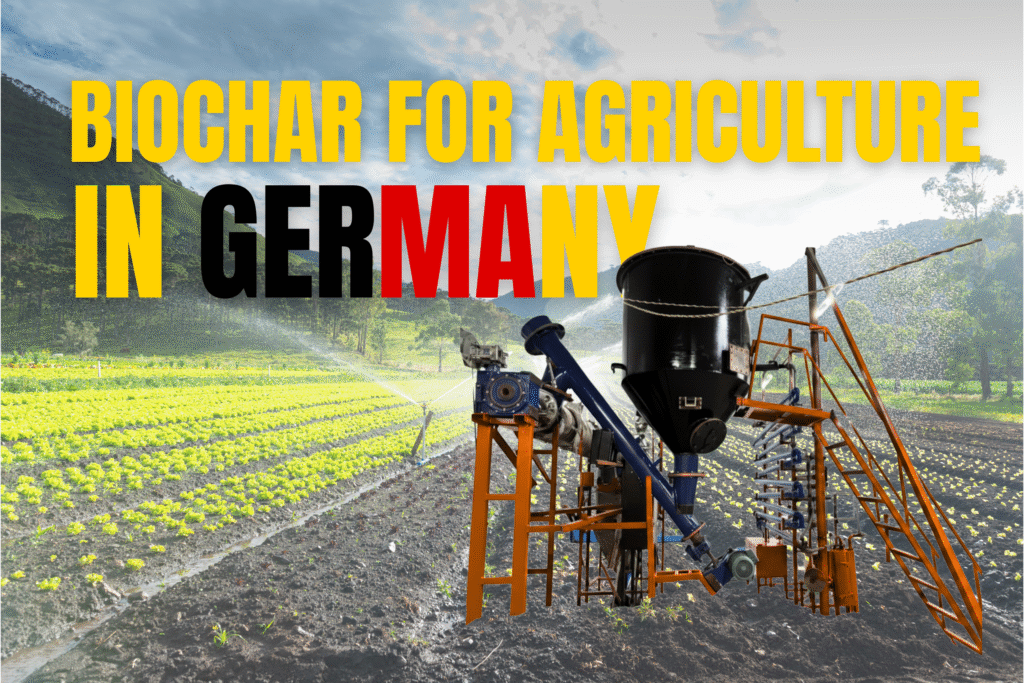
Introduction : A New Chapter in German Agriculture (Deutsche Landwirtschaft) Sustainability (Nachhaltigkeit) is no buzzword in Germany but rather life as usual. Farmers throughout Bavaria, Saxony, and Lower Saxony are embracing new technologies like biochar for agriculture in Germany (Pflanzenkohle fur die Landwirtschaft in Deutschland) to recover soil fertility while fighting climate change. Leader in green technologies and precision cultivation, Germany incorporated biochar for farmland as a key element of soil management and carbon farming (Kohlenstofflandwirtschaft) activities. Vineyards to vegetable patches, the advantages can be seen: fitter plants, more fertile soil, and cleaner atmosphere. 1. What is Biochar? (Was ist Pflanzenkohle)? biochar for agriculture in Germany refers to a carbon-rich (kohlenstoffreiches) material that results from pyrolysis (Pyrolyse)—heating of organic materials such as crop residues, wood, or manure under low oxygen conditions. The technology produces a stable, airy material that enhances soil quality (Bodenqualitat), stores nutrients (Nahrstoffe), and maintains microbial life (Mikroorganismen). Differing from charcoal, biochar is produced with scientific exactitude for long-term soil improvement (Bodenverbesserung) and carbon storage. Scientific Advantages (Wissenschaftliche Vorteile): High surface area (hohe Oberflache) for nutrient retention Porous structure (porose Struktur) for better water holding ability Neutral to alkaline pH to neutralize soil acidity conditions Environmental microcosm for deep rooting When used in farmlands, agronomic biochar in Germany enhances soil ventilation, optimizes the use of water, and conserves fertilizers. 2. Germany’s Vow of Sustainable Farming (Nachhaltige Landwirtschaft) German rural culture combines old with new. According to the EU Green Deal (Europaischer Grüner Deal) and Klimaschutzplan 2045 (Climate Protection Plan 2045), biochar as a climate-smart crop input is becoming well known in Germany. biochar for agriculture in Germany Association (Fachverband Pflanzenkohle e.V.) promotes the large-scale application of biochar for agriculture in Germany, including field experimentation and training of local planters. Government Support (Staatliche Unterstützung): The Bioeconomy Strategy 2030 (Biookonomiestrategie 2030) is integrated with bio. The Federal Ministry of Food and Agriculture (Bundesministerium fur Ernahrung und Landwirtschaft) promotes pilot projects for biochar. Carbon Farming Credits (Kohlenstoffzertifikate): Farmers generating income from verified carbon seque. This progressive policy landscape guarantees that German agricultural biochar is addressing soil enhancement as well as national carbon objectives of biochar for agriculture in Germany. 3. How Biochar Improves German Soils (Boden in Deutschland) The German landscape presents a vast spectrum of soil types (Bodenarten), sandy to loamy to clay-heavy (tonig). Biochar for German agronomy is suitable for such diverse conditions as well as textures. In Sandy Soils (Sandboden) – Brandenburg, Mecklenburg-Vorpommern Retains moisture (Feuchtigkeit) longer. Reduces leaching of fertilizers. Strengthens drought resistance (Durrewiderstand). In Loamy Soils (Lehmböden) – Bavaria, Hesse Enhances soil structure (Bodenstruktur). Supports microbial life (Mikroorganismenaktivitat). Enhances root aeration. In Clay Soils (Tonboden) – North Rhine-Westphalia Prevents waterlogging (Staunasse). Improves drainage and nutrient balance. German farmers all agree: farmlands in Germany benefit from biochar as it promotes soil resilience and ensures steady yield no matter the fluctuating weather. 4. Environmental Advantages (Umweltvorteile) It is more than a soil conditioner—it is an environmental safeguard. Germany’s strategy of reaching net-zero emissions (Netto-Null-Emissionen) by the year 2045 relies heavily on such new technologies as is biochar for agriculture in Germany. 1.Carbon Sequestration (Kohlenstoffspeicherung) Each tonne of biochar stores around 3 tonnes of CO₂ equivalent, balancing emissions from fertilizers and from livestock. 2. Waste Utilization (Abfallnutzung) The farming communities neither waste/burn crop residues, as they use Veera Group pyrolysis technology (Pyrolysetechnologie), in order to produce higher-grade biochar. 3. Water Protection (Wasserschutz) The biochar suppresses the leach of nitrates (Nitrat-Auswaschung), thus safeguarding the rivers of Germany, such. 4. Biodiversity (Biodiversitat) The loose structure enables appropriate shelter for useful soil organisms (Bodenorganismen), supporting long-term ecological balance. 5. economical benefits for farmers (Wirtschaftliche Vorteile) German farmers find that sustainability (Nachhaltigkeit) and profitability (Rentabilitat) can walk side by side. Key Financial Benefits (Finanzielle Vorteile): Reduced fertilizer costs (Dungerkosten): Up to 30% savings. Higher yields (Ertrage): Studies show up to 25% increase in crop productivity. Carbon credit income (Kohlenstoffzertifikate): Earn money through EU climate programs. Enhanced soil value (Bodenwert): Long-term fertility improves property value. Biochar for agriculture in Germany (Pflanzenkohle fur die Landwirtschaft in Deutschland) provides both immediate and long-term economic returns—making it an attractive choice for both small farmers and large agribusinesses. 6. Veera Group: Empowering German Agriculture (Deutsche Landwirtschaft starken) Veera Group, as a global leader in waste-to-energy (Abfall-zu-Energie) and carbon solutions, expands its biochar technologies into Europe. Its plants are engineered with accuracy, sustainability, and full compatibility with laws in Germany. Our Key Solutions (Unsere Losungen): Tailor-made Pyrolysis Plants for rural production. Carbon Certification Assistance (Zertifizierungshilfe) for EU compliance. Training Modules for biochar use and upkeep. After-Sales Technical Support (Technischer Kundendienst) for. Veera Group systems ensure that all of biochar for agriculture in Germany is produced safely and efficiently. 7. Case Studies: German Farmers Embracing Biochar (Erfolgsgeschichten) Bavaria (Bayern) – Organic Vine Organic wineries take up the use of biochar for agriculture in Germany for increased grapevine root power and soil fixation, thus producing better crops and better wine quality (Weinqualitat). Brandenburg – Cereal Producers (Getreidebauern) Farmers here apply biochar with manure (Gulle), seeing better nutrient retention and fewer chemical inputs. Lower Saxony (Niedersachsen) – Milk farms Dairy farmers use biochar in bedding (Tierstreu) and manure management systems to reduce odor and methane emissions (Methanemissionen). Each of these stories reinforces the practical, measurable success of biochar for agriculture in Germany in real-world conditions. 8. The Biochar Process Explained (Der Biochar-Prozess erklart) The Veera Group operates in an environmentally friendly way with low waste and high energy recovery (Energierückgewinnung). Process Steps (Prozessschritte): Feedstock Collection (Rohstoffsammlung) – agricultural residues, wood chips, or manure. Drying Phase (Trocknungsphase) – optimizes efficiency. Pyrolysis (Pyrolyseprozess) – converts biomass into biochar at controlled temperatures. Biochar Output (Pflanzenkohle-Erzeugung) – ready for soil application. Energy Reuse (Energie-Nutzung) – generated gases reused for heating or electricity. This closed-cycle system is consistent with Germany’s Bioeconomy Strategy (Biookonomiestrategie Deutschlands) and carbon-negative farming (CO₂-negative Landwirtschaft) biochar for agriculture in Germany. 9. Scientific Research and Innovation (Forschung und Innovation) The universities and institutes of Germany, in particular, feature highly in promoting expanding
Biochar Machine France: From Waste to a Green Energy Revolution

Introduction: France’s New Chapter in Clean Energy Innovation Across Europe, one nation is quietly leading the way in transforming waste into value — and that nation is France.The rise of Biochar Machine France marks a new chapter in environmental innovation, combining technology, agriculture, and sustainability to fight climate change and enhance soil health. From Paris to Provence, the term Biochar Machine France is becoming a buzzword among farmers, environmentalists, and entrepreneurs.This is more than just a machine — it’s a symbol of France’s commitment to a circular economy and a greener, low-carbon future. So, what exactly is biochar, and why is this machine making headlines across France? What Is a Biochar Machine and Why It Matters Understanding the Biochar Process A biochar machine is an advanced pyrolysis-based system that transforms organic waste — such as wood chips, crop residue, or manure — into biochar, a charcoal-rich carbon material.It operates in a low-oxygen environment, capturing carbon in the char instead of releasing it as carbon dioxide. The Key Outcomes Cleaner air Reduced greenhouse gas emissions Fertile, nutrient-rich soil Renewable energy from syngas and bio-oil That’s why the Biochar Machine France market is rapidly expanding — it’s both eco-friendly and economically rewarding. The Science Behind Biochar Machine France The Biochar Machine France functions on the pyrolysis principle, working between 350°C and 600°C without oxygen. During the Process Biomass breaks down into biochar, bio-oil, and syngas. The biochar is collected for soil improvement and carbon storage. The syngas can be used to power the plant or generate electricity. The bio-oil serves as an alternative, renewable fuel source. This cycle represents the perfect combination of innovation and sustainability — turning waste into wealth while protecting the planet. Why Biochar Machine France Is Trending in 2025 1. Carbon Reduction Targets France has pledged to become carbon neutral by 2050.Widespread adoption of Biochar Machine France helps achieve this goal by sequestering carbon in soil for hundreds of years. 2. Agricultural Transformation Farmers use biochar to improve soil fertility, increase crop yields, and reduce fertilizer dependency — all contributing to sustainable farming. 3. Government Subsidies The French Green Industry Plan and the EU Bioeconomy Strategy promote biomass use, positioning Biochar Machine France as a key part of this transformation. 4. International Recognition France’s leadership in green innovation is attracting foreign investment in biochar systems and waste-to-energy technologies. How the Biochar Machine Operates: Step-by-Step Step 1: Collection of Feedstock Biomass such as wood waste, crop residues, or municipal organic waste is gathered by farmers and city departments. Step 2: Drying and Shredding Feedstock is dried and shredded for uniform heating during pyrolysis. Step 3: Pyrolysis Heating The material is heated in a controlled, oxygen-limited environment at 400°C–600°C. Step 4: Carbonization Volatile gases escape, leaving behind carbon-rich biochar, with syngas and bio-oil as by-products. Step 5: Cooling and Storage The biochar is cooled, filtered, and stored for agricultural or industrial use. This self-contained, clean process makes Biochar Machine France a global model for eco-friendly waste management. Economic Benefits of Biochar Machine France The Biochar Machine France not only transforms waste sustainably — it also strengthens the French economy. 1. Savings in Waste Management Municipalities can reduce disposal costs by turning organic waste into marketable biochar. 2. Boost in Agricultural Profitability Farmers using biochar report higher yields and lower input costs, improving rural income. 3. Green Energy Generation Syngas and bio-oil can be reused for energy production or sold as renewable fuels. 4. Carbon Credits Businesses investing in Biochar Machine France gain access to carbon credit markets, generating extra income. 5. Job Creation Each plant contributes to employment in logistics, operations, and maintenance, strengthening France’s green economy. Environmental Impact of Biochar Machine France Key Environmental Benefits Carbon Sequestration: Locks carbon in soil for centuries. Cleaner Air: Reduces methane and nitrous oxide emissions. Water Retention: Improves soil structure and drought resilience. Pollution Reduction: Converts harmful waste into safe, reusable products. Ecosystem Restoration: Promotes sustainable agriculture and reforestation. Every Biochar Machine France installation takes the nation closer to a clean, sustainable future. Circular Economy and Biochar Machine France The Biochar Machine France fits perfectly within France’s circular economy vision — turning waste into valuable products. Instead of disposing of organic waste, it is recycled into biochar, energy, and soil conditioners.This supports zero-waste goals and resource efficiency. Bonus Innovation: Biochar in Construction Biochar is now being used in eco-building materials, mixed with cement to make carbon-negative concrete — a major breakthrough in green construction. Challenges Facing Biochar Machine France 1. High Initial Investment Biochar technology requires advanced machinery and infrastructure funding. 2. Limited Awareness Many farmers and local authorities remain unfamiliar with biochar’s long-term benefits. 3. Technical Expertise Skilled operators and engineers are essential for optimizing production and maintenance. 4. Policy Implementation Stronger government incentives and regulatory support are needed to drive nationwide adoption. Yet, with continued education, research, and financial backing, these challenges are being overcome — paving the way for a sustainable future for Biochar Machine France. The Future of Biochar Machine France Industry experts predict the French biochar market will grow over 25% annually by 2030.With AI-based automation, carbon monitoring, and renewable integration, Biochar Machine France will lead Europe’s next green revolution. Both French innovators and global investors are now partnering to create mass-scale biochar installations for clean energy, fertilizers, and carbon credits. The future isn’t just sustainable — it’s powered by biochar. Conclusion: France’s Green Future Starts with Biochar Machine France The Biochar Machine France story is one of innovation and redemption — transforming waste into value, jobs, and sustainability. By investing in biochar technology, France is cutting emissions, rejuvenating agriculture, and building a resilient green economy. Every new machine installed marks progress toward a zero-waste, low-carbon future.As the world moves toward net-zero goals, Biochar Machine France shines as a model of environmental and economic leadership — proving how one country can inspire a global revolution in clean energy.
Biodiesel Tanzania: Fueling a Clean Energy Future through Sustainable Innovation
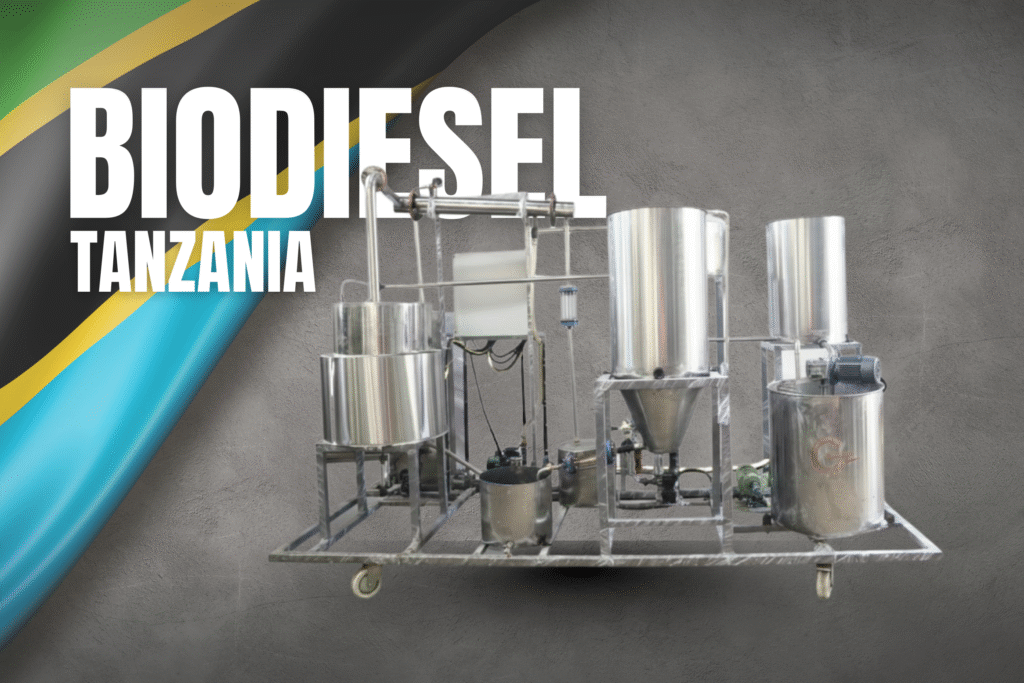
Introduction: Tanzania’s New Revolution in Energy In recent years, Biodiesel Tanzania has become a trending topic in conversations about renewable energy, sustainability, and green innovation.As nations seek alternatives to fossil fuels, Tanzania is emerging as one of Africa’s leading frontiers in the biodiesel revolution. From Dar es Salaam to Arusha and Dodoma, innovators, farmers, and entrepreneurs are joining forces to build something truly revolutionary — a fuel that powers engines, empowers people, and supports the planet. Biodiesel Tanzania isn’t just an energy story — it’s about economic empowerment, climate responsibility, and investing in a sustainable future for generations to come. What Is Biodiesel and Why It Matters for Tanzania Before diving into the impact, let’s first understand what biodiesel really is. Definition of Biodiesel Biodiesel is a renewable fuel made primarily from natural oils such as vegetable oil, animal fat, or used cooking oil.Unlike petroleum diesel, Biodiesel Tanzania can be produced locally using the country’s abundant natural resources. This gives Tanzania a major advantage — local energy independence and sustainable production that supports the environment and the economy. How Biodiesel Works Biodiesel is produced through a process called transesterification, where oils and fats are chemically reacted with alcohol (usually methanol) to create methyl esters (biodiesel) and glycerin as a byproduct. When blended with conventional diesel, biodiesel fuels cars, generators, and industrial machines — but with far fewer emissions and a smaller carbon footprint. For Tanzania, biodiesel technology means energy security, environmental conservation, and the creation of entirely new green industries. The Growth of Biodiesel Tanzania: Moving Toward Energy Independence For decades, Tanzania has relied heavily on imported fossil fuels to meet growing energy demands. This dependence strains the economy and exposes the nation to volatile global oil prices. That’s where Biodiesel Tanzania steps in as a game-changer.By producing fuel locally, Tanzania can reduce import expenses and reinvest those funds into industries, infrastructure, and agriculture. In cities such as Mbeya and Morogoro, small-scale biodiesel plants are already turning waste cooking oil, sunflower oil, and jatropha seeds into clean fuel.They are creating jobs, reducing emissions, and empowering rural communities. Feedstock Sources: Tanzania’s Natural Advantage One of the biggest reasons Biodiesel Tanzania is thriving is the nation’s rich agricultural base.With fertile soil and favorable weather, Tanzania has the perfect conditions to produce biofuel crops without compromising food security. Leading Feedstock Options Jatropha curcas: A hardy, non-edible crop that produces high-quality oil for biodiesel. Sunflower oil: Common in central and northern Tanzania, providing sustainable oil sources. Used cooking oil: Recycled from hotels and restaurants, reducing waste while producing energy. Palm and castor oil: Promising future feedstock sources under research and development. This variety ensures Biodiesel Tanzania has multiple reliable raw materials, making production both stable and cost-effective. Why Biodiesel Tanzania Is Trending in 2025 The buzz around Biodiesel Tanzania isn’t random — it aligns perfectly with both global sustainability goals and Tanzania’s Vision 2030. The country’s National Energy Policy emphasizes renewable energy, carbon neutrality, and rural empowerment.Biodiesel directly contributes to all three pillars. Top Drivers Behind the Trend Escalating fuel prices pushing nations toward local energy production Global climate commitments (Paris Agreement goals) Growing investor interest in Africa’s renewable energy markets Awareness of sustainable agriculture and environmental protection Government incentives for clean energy entrepreneurs With solid policy support, Biodiesel Tanzania isn’t just a passing trend — it’s a long-term path to industrial growth and energy freedom. How Biodiesel Is Made in Tanzania Let’s take a closer look at how Biodiesel Tanzania operates on the ground. Step-by-Step Production Process Step 1: Harvesting Feedstock Farmers, restaurants, and industries supply raw materials such as jatropha seeds, sunflower oil, or waste cooking oil. Step 2: Oil Extraction The oil is extracted mechanically or through solvent-based methods, then filtered to remove impurities. Step 3: Transesterification The oil is combined with alcohol and a catalyst (like sodium hydroxide), creating biodiesel and glycerin. Step 4: Purification The biodiesel is washed, dried, and tested to meet international fuel standards. Step 5: Distribution The finished fuel is blended or distributed directly for transportation, electricity, or industrial use. Each stage adds value — generating fuel, jobs, entrepreneurship, and innovation.That’s why Biodiesel Tanzania is not just about energy — it’s about economic transformation. Environmental Advantages of Biodiesel Tanzania The environmental benefits of Biodiesel Tanzania are among its strongest selling points. Key Environmental Benefits Reduced CO₂ emissions: Up to 75% less than petroleum diesel. Biodegradable & Non-toxic: Spills or leaks cause no long-term damage. Cleaner air: Lower sulfur emissions mean less pollution in cities like Dar es Salaam. Better waste management: Reusing used oil reduces landfill pressure. Climate resilience: Less dependency on fossil fuels protects the economy from oil shocks. Every liter of biodiesel produced represents a cleaner environment and a healthier Tanzania. Economic and Social Impact of Biodiesel Tanzania The rise of Biodiesel Tanzania has sparked growth across multiple sectors. 1. Job Creation From farming feedstock to refining fuel, thousands of Tanzanians are finding stable employment. 2. Rural Development Energy crops like jatropha provide additional income without affecting food supply. 3. Reduced Import Dependence Producing biodiesel locally saves millions of dollars in foreign exchange each year. 4. Technological Growth Local universities and research centers are collaborating on improving biodiesel production efficiency. 5. Entrepreneurial Opportunities New businesses are emerging in oil collection, processing, and retail distribution. In essence, Biodiesel Tanzania is driving inclusive growth from farms to factories. Government Policies and Support for Biodiesel Tanzania The Tanzanian government has identified biofuels as a strategic energy resource and introduced multiple initiatives to support this industry. Policy Support Includes: National Energy Policy (2022): Encourages renewable energy investments. Renewable Energy Fund: Provides grants for SMEs producing clean fuels. Tax Incentives: Reduces duties on biodiesel production machinery. Research Partnerships: Collaborations with universities like Sokoine University of Agriculture. Public-Private Partnerships: Attracting foreign investors to work with local entrepreneurs. Such initiatives are propelling Biodiesel Tanzania to become a national sustainability success story. Challenges in Developing Biodiesel Tanzania Like any emerging industry, Biodiesel Tanzania faces its share of obstacles. Key Challenges Infrastructure
Pyrolysis Plant Chad: Turning Waste into Energy for a Greener Tomorrow
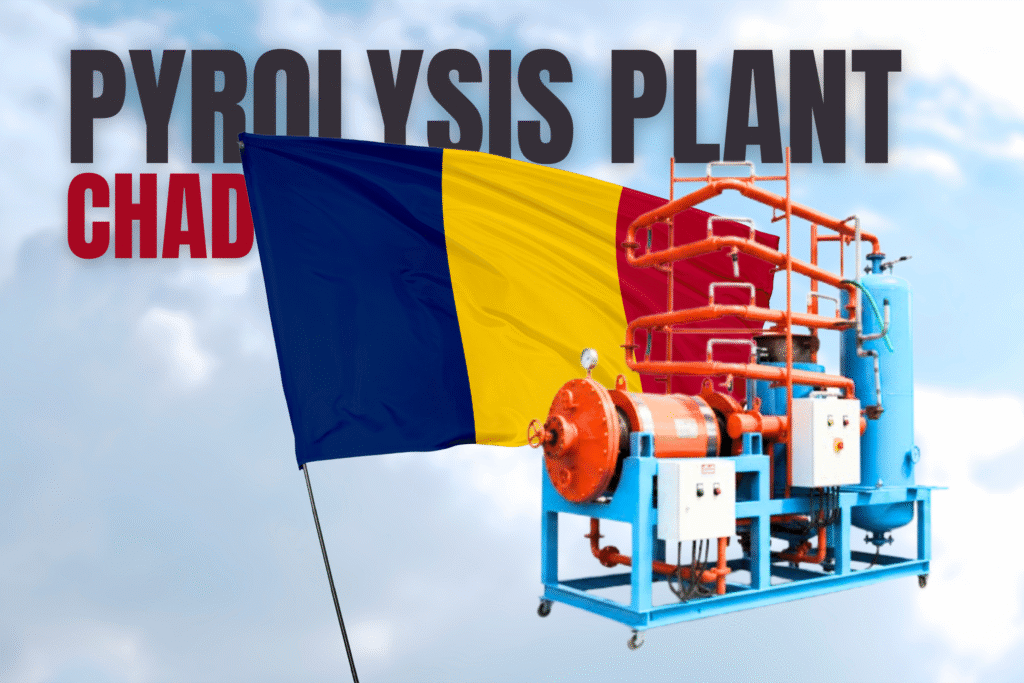
Introduction: Chad Enters a New Age of Waste-to-Energy In Africa as a whole, states are reconsidering trash. At the center of Central Africa, Pyrolysis Plant Chad is at the forefront of this transformation — turning what used to be trash into usable power sources. From the vibrant capital N’Djamena to the developing industrial centers of Moundou, Chad is taking on a new, green paradigm of development: waste to energy. Every day, thousands of tons of plastic waste, tires, and used oils are dumped into landfills or burned in open air. But with Pyrolysis Plant Chad, this waste can now be converted into fuel oil, gas, and carbon black — the building blocks of a cleaner, more energy-independent future. What is a Pyrolysis Plant? A pyrolysis plant is a modern setup that converts waste material like plastics, rubber, and discarded motor oil into marketable energy commodities that can be reused. The wastes are processed under a condition called pyrolysis wherein the heat under no-oxygen environment tears the unwanted materials into three main products: Fuel Oil: Utilizable in industrial boilers, diesel engines, as well as generators. Syngas: A Fuel Quality Which the Plant Uses to Generate Power. Carbon Black: Used in construction, paints, and the automobile industry. In the case of the Pyrolysis Plant Chad, this technological breakthrough becomes locally available — giving Chad not only a clean environment, but also a road to economic self-reliance. Working of the Chad Pyrolysis Plant Let’s analyze the way this technology generates wealth from waste: Waste Management: The industrial and municipal regions of Abéché, Sarh, and N’Djamena are serviced with plastic, oil, and tyre wastes. Pre-Processing: The refuse is cleaned and shredded to eliminate contamination. Process of Pyrolysis: The sealed chamber feedstocks are brought to about 400–500°C without the use of oxygen. Condensation: They are condensed to form the liquid fuel oil. Gas Recovery: Non-condensable gas is reused to heat the system, reducing fuel costs. Solid Residue: The residual carbon black is set aside to be re-used. With this closed-loop system, there are zero emissions and full efficiency — the ideal recipe for environmentally friendly industrial development in Chad. Eco-Friendly Characteristics of Chad Pyrolysis Plant Chad has long struggled to dispose of waste. As the nation becomes steadily more urbanized, the state produces thousands of tonnes of garbage every year. Pyrolysis Plant Chad confronts this issue head-on, with numerous environmental advantages: Decreases Landfill Waste: Turns trash such as plastic and tires into saleable items. Averts Air Pollution: Abolishes the open burning of rubbers and plastics. Decreases Carbon Footprint: Helps Chad reach global sustainability goals. Promotes Circular Economy: Waste as a strategic industrial input. By choosing Pyrolysis Plant Chad, the country moves one step towards a cleaner, greener, and autarchic future. Economic Potential of Chad Pyrolysis Plant Apart from environmental advantages, the economic potential of this innovation in Chad is enormous. 1. Employment Creation From waste management to plant operation, Chad Pyrolysis Plant generates both direct as well as indirect employment in the metropolitan area. 2. Energy Independence The pyrolysis-produced fuel cuts the use of imported diesel — keeping the revenue in the Chad economy. 3. Local Industry Development By supplying carbon black and fuel oil, Pyrolysis Plant Chad supports industries like cement, construction, and manufacturing. 4. Investment Attraction Sustainable projects such as pyrolysis enjoy global funding, particularly from African development agencies as well as environmental investors. In effect, the Chad Pyrolysis Plant becomes something more than a technological project — a national development cause. Technical Characteristics of Chad Pyrolysis Plant What makes the Chad Pyrolysis Plant technology special is the following: Feature Description Feedstock Plastic, motor oil, waste tires, and rubber wastes Output Fuel oil (45%), Carbon black (35%), Gas (10–15%), Steel wire (5 Capacity Scale up to 5TPD to 50TPD depending on Automation Automatic with temperature control and safety alarms Emission Control Proven gas scrubbing, cooling, and heat Energy Reuse Syngas utilization within internal heat reuse These characteristics make Pyrolysis Plant Chad one of the most trustworthy as well as environmentally friendly African systems of energy recuperation. Why Chad Provides the Ideal Space to Host Pyrolysis Technology Several key factors make Chad ideal for establishing pyrolysis plants: Availability of Abundant Raw Material: Large quantity of tyre and plastic wastes. Energy Need: Strong need for affordable replacement fuel stocks. Government Support: Policies promoting renewable energy and waste management. Geographical Advantage: Favorable location to export the fuel to regional nations such as Niger, Sudan, and Cameroon. With these benefits, Chad Pyrolysis Plant is set to be a regional market leader in waste-to-energy systems. Integration with Other Waste-to-Energy Technologies The innovation doesn’t end there. The Pyrolysis Plant Chad can coexist with other technologies like: Waste Oil to Diesel – purifying used oil into clean, usable diesel fuel. Biochar Machine – converting rice straw into soil-improving biochar. Plastic Waste Pyrolysis Plants – Converting Plastic into Usable Oil as Well as Carbon Black. Waste Tyre Recycling Machines – recycling steel,
From Waste to Energy: How Pyrolysis Plant Congo Is Transforming Congo’s Economy

Introduction: The New Era of Waste-to-Energy in Congo Around Africa, there is one innovation that is transforming the way nations deal with waste — Pyrolysis Plant Congo.In the Democratic Republic of Congo, businesses are adopting cleaner, smarter technologies that turn waste into energy resources. Plastic, rubber, and used oil are now opportunities, not liabilities. With advanced pyrolysis technology, they are transformed into fuel oil, gas, and carbon black — all essential for energizing factories and daily living. This trend marks the dawn of a circular economy, where economic development and ecological protection march together. What Is a Pyrolysis Plant Exactly? A pyrolysis plant is a green facility that recycles waste material by heating it under controlled conditions in the absence of oxygen.The process converts plastic, tires, and used motor oil into three recyclable products. Key Products of the Pyrolysis Process Fuel oil – for generators and heavy machinery Gas – for power generation or heating Carbon black – a raw material for manufacturing and construction Essentially, this technology turns waste into consumable energy, allowing Congo to cut pollution and minimize reliance on foreign fuels. Why This Technology Is Important to Congo Congo’s expanding cities and industries produce massive amounts of waste daily.Conventional disposal methods like burning or landfilling release harmful chemicals and threaten public health. With Pyrolysis Plant Congo technology, the nation is now discovering the hidden value of its waste.By producing renewable fuel locally, the country is saving foreign exchange, creating green jobs, and protecting its ecosystem. This strategy places Congo at the forefront of green energy and circular innovation in Africa. How the Process of Pyrolysis Operates Here’s a simplified explanation of how a Pyrolysis Plant Congo works step-by-step. Step-by-Step Pyrolysis Process Collection: Plastic, tires, and oil waste are gathered and cleaned. Feeding: The materials are loaded into a sealed pyrolysis reactor. Heating: The reactor is heated to around 400–500°C in the absence of oxygen. Decomposition: Waste materials break down into gas and oil vapors. Condensation: Vapors cool down and condense into liquid fuel oil. Recovery: The remaining carbon black is collected for reuse. Since the system is closed-loop, it emits almost no pollutants — making it one of the cleanest technologies operating in Congo today. National Economic Gains Every Pyrolysis Plant Congo project directly contributes to Congo’s economic growth and energy independence. Key Economic Benefits Job Creation: Engineers, operators, and logistics workers gain long-term employment. Energy Security: Locally produced fuel reduces reliance on imports. Entrepreneurship: New ventures arise in waste collection, logistics, and technology. Export Income: Excess fuel and carbon black are sold internationally. Congo’s emerging pyrolysis industry is showing the world that profitability and environmental care can coexist. Green Benefits for the Environment The introduction of Pyrolysis Plant Congo offers measurable environmental advantages. Environmental Improvements Stops open burning of plastic and tires Reduces landfill accumulation Lowers greenhouse gas emissions Replaces fossil fuels with clean, recycled alternatives Each additional plant installed strengthens Congo’s commitment to a cleaner, healthier planet. Why Congo Is the Perfect Ground for Growth Congo’s cities like Kinshasa and Lubumbashi generate vast amounts of waste daily, providing a continuous supply for Pyrolysis Plant Congo operations. With supportive government policies and strong private investment, the country is ideally positioned to lead the waste-to-energy revolution in Central Africa. This partnership between innovation and policy could make Congo the region’s green power hub. Green Businesses Get Digital Visibility Innovation alone isn’t enough — digital visibility is key to growth.Companies working with Pyrolysis Plant Congo technology are using tools like Google Search Console to analyze how people find their websites. By tracking keyword performance and visitor behavior, these businesses can attract investors, optimize their content, and reach eco-conscious audiences worldwide. The Human Face of the Pyrolysis Revolution Behind every Pyrolysis Plant Congo are individuals who make the change possible — engineers overseeing the systems, collectors gathering waste, and local entrepreneurs investing in sustainable energy. For communities, these projects bring stable jobs, cleaner environments, and healthier lives.Sustainability isn’t just about the planet — it’s about people thriving within it. Veera Group: Spearheading the Revolution One of the driving forces behind this transformation is Veera Group — a global leader in waste-to-energy technology.Their Pyrolysis Plant Congo systems are built for long-term efficiency, safety, and profitability. With years of experience turning waste oil, plastics, and tires into high-grade fuel, Veera Group is helping Congo and neighboring nations become energy-independent and environmentally resilient. International Acclaim and the Future Across the globe, policymakers and investors are paying attention to Congo’s achievements in waste-to-fuel innovation.As global demand for clean energy rises, Pyrolysis Plant Congo stands as a success story in sustainable industrial development. Emerging technologies like automation, intelligent monitoring, and AI-driven optimization will make future plants even more efficient and accessible, solidifying Congo’s position in Africa’s green economy. Conclusion: From Waste to Wealth The story of Pyrolysis Plant Congo is one of transformation — where economy, technology, and environment unite.By converting waste into valuable fuel, Congo is cleaning its cities, creating jobs, and strengthening its economy. Every new facility built is a step toward a self-reliant, sustainable nation.Pyrolysis Plant Congo demonstrates that progress and preservation can move forward together — proving even waste has the power to build a better tomorrow.