
Biochar for Agriculture – The Key to Healthier Soil and Sustainable Farming
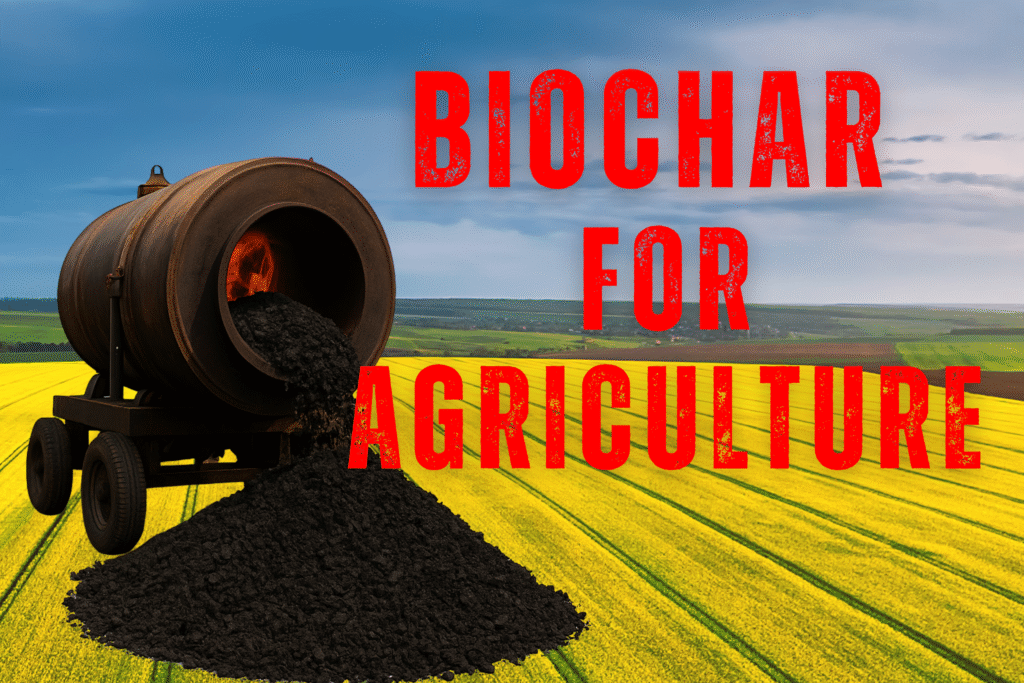
In the era of modern-day sustainable farming and soil conservation, Biochar for agriculture is becoming the buzzword. Right from small-scale farmers in Coimbatore to large-scale farmers in Tamil Nadu, this carbon-rich, black material is changing the way India produces its food. But what exactly is Biochar for agriculture, and why is it gaining so much attention in the global farming community? In this blog, we’ll explore how biochar enhances soil fertility, improves crop yield, and reduces carbon emissions — all while helping farmers save money and protect the planet. What Is Biochar for Agriculture? Definition and Origin Agricultural biochar is a very porous, high-carbon material made when organic waste products — such as crop leftovers, coconut husks, or wood — are heated in a low-oxygen setting (pyrolysis). It’s not charcoal — it’s a scientifically engineered soil amendment that retains nutrients, holds water, and revitalizes depleted land. This revolutionary material is part of the circular economy — recycling farm waste into a precious beyond input for the same soil where it originated. How Biochar for Agriculture Works Biochar’s magic lies in its minute structure. When added to the soil, biochar is like a sponge that retains water and nutrients that plants can absorb over time. The Science Behind It Retention of Nutrients Biochar for agriculture traps essential elements like nitrogen, phosphorus, and potassium — reducing nutrient loss through leaching. Improved Water Holding Capacity Its porous structure helps soils retain more water, especially crucial for drought-prone regions like Tamil Nadu. Enhanced Microbial Activity Biochar creates a habitat for beneficial microorganisms that promote plant growth. Carbon Sequestration It locks away carbon in the soil for hundreds of years, helping reduce greenhouse gases. So basically, agriculture biochar is a fertilizer, soil conditioner, and carbon storage facility — in one. Why Biochar for Agriculture Is Important in India India’s agricultural lands face serious challenges — soil loss, water depletion, and declining fertility. In Tamil Nadu, Karnataka, and Maharashtra, farmers are struggling to balance productivity and sustainability. Where Biochar Helps Most Reclaims degraded lands Lessens fertilizer dependence Increases crop yields naturally Enhances drought and flood resilience Supports India’s path to carbon neutrality In brief, biochar for farming enables farmers to produce more with less — sustainably. How Biochar Is Produced for Farming The method of producing biochar for agriculture is both sustainable and inexpensive. Step 1 – Biomass Collection Agricultural waste such as rice husk, sugarcane bagasse, coconut shell, and wood chips are collected. Step 2 – Pyrolysis The biomass is heated between 350–700°C in the absence of oxygen in specially designed reactors.This yields biochar, syngas, and bio-oil — all useful byproducts. Step 3 – Cooling and Crushing The biochar is cooled, crushed, and sieved for consistent particle size for agricultural use. Step 4 – Activation (Optional) In some cases, biochar is activated using compost or microbes to enhance its nutrient value before soil application. The process is easy, renewable, and scalable — making agricultural biochar a perfect solution for small-scale farmers and big agribusinesses alike. Top 5 Advantages of Biochar for Agriculture 1) Enhances Soil Fertility Naturally Biochar for agriculture improves soil structure, raises nutrient availability, and stimulates root growth. Key Advantages Improved nutrient retention Increased organic matter Higher cation exchange capacity (CEC) Better soil aeration Farmers applying biochar for farming in Coimbatore have observed tangible improvements in soil texture in one season. 2) Lowers Fertilizer Expenditure Because biochar stores nutrients and releases them slowly, it minimizes the need for frequent chemical fertilizer use. What This Means 30–40% less spent on fertilizers Less reliance on synthetic inputs Better long-term soil biology In effect, biochar for farming often pays for itself within a few harvests. 3) Enhances Crop Yields and Quality Studies at Tamil Nadu’s agricultural universities indicate that biochar-enriched soils increase yields by 15–25%, particularly in paddy, maize, and horticultural crops. Growers also report stronger roots, improved water holding, and higher grain/fruit quality. 4) Improves Water Management In drought-prone areas, biochar for agriculture is crucial. Its porous surface retains and stores water, releasing it gradually to plant roots during dry spells. Result: Less irrigation, lower water bills, and improved crop survival even in arid conditions. 5) Combats Climate Change A unique advantage of biochar for agriculture is carbon sequestration — storing carbon underground for centuries. When farmers use biochar, they’re not just improving soil — they’re also reducing atmospheric CO₂. Types of Biochar Used in Agriculture Different raw materials yield different types of biochar for agriculture — each with distinct benefits. Common Biochar Types and Uses Type of Biochar Source Material Primary Purpose Wood Biochar Hardwood, bamboo Soil structure & moisture retention Crop Residue Biochar Rice husk, maize stalks Nutrient enrichment Animal Waste Biochar Poultry litter, manure High nitrogen content Coconut Shell Biochar Coconut shells Long-term carbon storage Sugarcane Bagasse Biochar Sugar mills Soil conditioning in tropical climates Choosing the right biochar for agriculture depends on your crop, soil condition, and local biomass availability. Biochar for Agriculture in South India Adoption Across Tamil Nadu Biochar for agriculture is growing rapidly in Madurai, Coimbatore, and Chennai, where farmers are seeing: Improved soil fertility Reduced erosion in rain-fed fields Better climate resilience Support via sustainable agriculture programs Research institutions are running pilot projects that show how biochar for agriculture can help reclaim depleted farmlands in Tamil Nadu. Blending Biochar with Modern Farming Methods Biochar agriculture works best when integrated with other sustainable techniques. High-Impact Combinations Organic farming — boosts microbial richness Drip irrigation — maximizes water efficiency Composting — biochar-compost blends for nutrient-dense soils Crop rotation — balances nutrient cycles naturally By blending biochar for agriculture into routine practices, farmers get better yields, lower costs, and healthier soils — while staying eco-friendly. Economic and Environmental Advantages Parameter Traditional Farming With Biochar for Agriculture Soil Fertility Diminishes over time Improves over time Fertilizer Cost High 30–40% lower Water Consumption Excessive 25–50% reduced Carbon Emissions Positive Negative (sequestration) Crop Yield Irregular 15–25% higher Biochar for agriculture transforms traditional farming into a sustainable, cost-effective, future-ready model. Why Farmers Prefer
Waste Oil to Diesel Machine — VeeraGroup’s Innovation for a Sustainable Futur

In today’s world, sustainability isn’t just a buzzword — it’s a necessity. As industries grow and consumption increases, so does the generation of waste oil. From automotive workshops to manufacturing plants, millions of litres of used oil are produced every month. If not handled properly, this oil becomes one of the most dangerous pollutants. But imagine if waste oil could be converted into something valuable — something that fuels cars, industries, and generators once again. That’s where the Waste Oil to Diesel Machine fits in, and VeeraGroup is at the forefront of such revolutionary technology in Chennai, Coimbatore, and across India. In this step-by-step guide, we will discuss everything you should know about the Waste Oil to Diesel Machine, its advantages, working process, and how VeeraGroup is transforming industries beyond by converting waste into wealth while saving the environment. What Is a Waste Oil to Diesel Machine? A Waste Oil to Diesel Machine is a sophisticated industrial system that transforms used oil — including engine oil, hydraulic oil, and industrial lubricants — into fuel-grade diesel. It employs a distillation and purification process that eliminates impurities, water, and harmful chemicals from the waste oil. The end product is low-sulfur, high-quality diesel, suitable for vehicles, power generators, and industrial boilers. This technology not only recycles toxic waste but also allows industries to save money and reduce dependency on crude oil. VeeraGroup’s Excellence By creating efficient, reliable, and environmentally friendly systems, VeeraGroup has raised the bar for Waste Oil to Diesel Machine excellence in India. Why Waste Oil to Diesel Conversion Matters Waste oil is usually seen as a problem — something difficult and expensive to dispose of. When dumped in landfills or drains, it causes serious soil and water pollution. By transforming this waste into diesel fuel, industries can recover value from what was once a harmful pollutant. This is why Waste Oil to Diesel Machines are gaining popularity worldwide — and VeeraGroup is a pioneer in introducing this technology in India. Let’s explore the top reasons why this innovation is essential for modern industries. Top 5 Benefits of a Waste Oil to Diesel Machine The Waste Oil to Diesel Machine is not just a recycling device — it’s a business transformation technology.Below are the Top 5 Benefits that make this machine a must for the future. 1.Financial and Environmental Impact The greatest advantage of the Waste Oil to Diesel Machine is its positive environmental impact. Each year, thousands of litres of used oil are mismanaged, causing massive soil and water contamination. Just one litre of used oil can pollute one million litres of water — enough to supply drinking water for thousands of people. How VeeraGroup’s Technology Helps Avoids soil and groundwater pollution. Reduces carbon emissions through cleaner diesel production. Lowers dependence on crude oil extraction. Ensures full compliance with environmental regulations. VeeraGroup’s green distillation process emits no toxic fumes, making it one of the safest and most environmentally friendly waste oil recycling systems available today. 2. Economic Benefits — Turning Waste into Profit From a financial standpoint, the Waste Oil to Diesel Machine is an investment that pays for itself.Instead of spending on waste oil disposal, industries can earn revenue by converting it into diesel. How Industries Benefit Cost Efficiency: Producing diesel from waste oil is cheaper than buying conventional fuel. Revenue Generation: Recycled diesel can be used internally or sold to local markets. Employment Creation: Generates local jobs in collection and plant operation. Government Support: Eligible for green tech incentives and sustainability grants. In fuel-demanding regions like Chennai and Coimbatore, VeeraGroup’s Waste Oil to Diesel Machines have helped businesses cut fuel costs by up to 40% while maintaining productivity. 3. Energy Security — Powering Self-Reliance Energy independence is crucial for countries like India, which rely heavily on crude oil imports. Key Benefits of Energy Security Decreases India’s dependency on imported crude. Maintains fuel stability during market fluctuations. Supports Atmanirbhar Bharat (Self-Reliant India). Empowers industries to control their own energy expenses. By producing fuel locally from waste, VeeraGroup’s technology enhances India’s energy self-sufficiency and reduces global vulnerability. 4. Waste Reduction and Resource Recovery Industrial waste becomes a useful resource through the Waste Oil to Diesel Machine — embodying the circular economy principle. VeeraGroup’s Zero-Waste Approach Converts toxic oil into clean diesel. Prevents waste from reaching landfills. Promotes zero-waste production practices. Reduces India’s total environmental footprint. Each VeeraGroup machine helps achieve India’s sustainable growth vision, where nothing is wasted, and everything holds value. 5. Supporting the Circular Economy Circular economy models are being adopted globally — and VeeraGroup is ensuring India leads that change. How VeeraGroup Enables Circular Growth Encourages industries to close the production loop. Minimizes need for new natural resource extraction. Boosts business sustainability and longevity. Promotes innovation and eco-friendly production. By offering Waste Oil to Diesel Machines throughout Tamil Nadu, VeeraGroup ensures every drop of waste oil contributes to a cleaner, greener future. How VeeraGroup’s Waste Oil to Diesel Machine Works People often ask, “How does this machine turn used oil into usable diesel?”Here’s the step-by-step process simplified: Step 1: Oil Collection Waste oil is gathered from automotive, industrial, and marine sectors. Step 2: Pre-Treatment The oil is filtered to remove sludge, water, and large particles. Step 3: Distillation The pre-treated oil is heated in VeeraGroup’s advanced distillation reactor, separating lighter hydrocarbon fractions. Step 4: Condensation The vapors are cooled and condensed into liquid — the base of diesel fuel. Step 5: Purification Impurities are removed, and high-quality diesel is produced. Step 6: Storage & Use The final diesel can be used directly in vehicles, generators, and machinery. VeeraGroup’s system ensures high output, efficiency, and durability — providing clean energy with minimal environmental impact. Why Choose VeeraGroup for Waste Oil to Diesel Machines Experience With decades of expertise, VeeraGroup has mastered waste-to-energy innovation. Expertise Engineers and technicians design systems that maximize fuel yield and reduce emissions. Authority Recognized across India for sustainable fuel solutions, VeeraGroup collaborates with industries, governments, and environmental agencies. Trustworthiness Transparent operations, dependable performance,
Waste Oil to Diesel: Converting Waste into Wealth for a Sustainable Future

Introduction: Revolution in Green Energy In an era where sustainability and innovation go hand in hand, one company stands out as a game-changer — VeeraGroup. This company has earned its reputation for dedication to green energy and cutting-edge recycling technology.VeeraGroup Waste Oil to Diesel solutions are revolutionizing how industries perceive waste. Across India and Africa, VeeraGroup is converting waste oil — once a serious pollutant — into high-quality, usable diesel fuel. This innovation not only minimizes environmental harm but also creates new opportunities for cost savings, energy recovery, and circular economy growth. Let’s explore how VeeraGroup Waste Oil to Diesel technology is transforming the energy landscape — from process to benefits, challenges, and future trends. What Is Waste Oil? Waste oil refers to any petroleum-based or synthetic oil that has become contaminated, degraded, or unsuitable for its original purpose.Common examples include: Used motor oil from vehicles and machinery Industrial lubricants Hydraulic oils Waste cooking oils from hotels or restaurants In the past, these oils were often disposed of improperly — in soil, drains, or water bodies — causing serious environmental damage.But thanks to companies like VeeraGroup, this so-called “waste” is now being recycled into clean, usable diesel fuel through advanced pyrolysis and distillation technology. The VeeraGroup Waste Oil to Diesel Process: Step-by-Step VeeraGroup has perfected the process of recycling waste oil into diesel fuel using modern, eco-friendly methods.Here’s how it works: Filtration and Collection Waste oil is retrieved from industrial units, garages, factories, and local sources.It’s then filtered to remove heavy particles, dirt, and metallic impurities. Dehydration Since waste oil often contains water, it must be heated to remove moisture before conversion.This ensures efficiency during distillation and improves the diesel yield. Distillation This is the heart of the VeeraGroup Waste Oil to Diesel process.The oil is heated at high temperatures, where light hydrocarbons vaporize and condense into clean diesel fractions.Heavier residues and sludge are removed in this step. Catalytic Cracking To enhance diesel quality, VeeraGroup uses catalytic cracking — breaking down long hydrocarbon chains into smaller, energy-efficient molecules.This produces high-grade, engine-suitable diesel. Purification Distilled fuel is purified to eliminate any leftover impurities or odors.Chemical treatment or secondary filtration ensures excellent fuel quality and performance. Blending and Additives In the final step, the purified diesel is blended with stabilizers or detergents to boost efficiency, stability, and engine cleanliness. This multi-step process results in clean, ready-to-use diesel fuel — ideal for industrial machinery, generators, and vehicles. Why Use VeeraGroup Waste Oil to Diesel Technology? VeeraGroup doesn’t just recycle waste — it redefines energy innovation.Here’s why their technology leads the market: 1. Proven Expertise With years of experience in waste handling and fuel recovery, VeeraGroup merges technical excellence with real-world application.Its in-house engineers and environmental specialists ensure every process is safe, efficient, and compliant. 2. Eco-Friendly Operations The process reduces carbon emissions, prevents oil dumping, and supports India’s and Africa’s green energy goals. 3. Cost-Effective Solutions Industries generating large amounts of waste oil can save money by converting it into usable diesel, reducing reliance on external fuel sources. 4. Global Reach with Local Impact VeeraGroup operates across India, Nigeria, and Kenya, helping local industries and governments adopt renewable technologies. 5. Regulatory Compliance Each VeeraGroup project meets international safety and environmental standards, providing complete peace of mind to clients and partners. Environmental Advantages of VeeraGroup Waste Oil to Diesel Less Pollution: Prevents waste oil from contaminating soil and water. Resource Conservation: Reuses waste oil instead of drilling for new crude. Energy Efficiency: Converts discarded materials into usable fuel. Reduced Carbon Emissions: Contributes to a cleaner, sustainable future. Supports Circular Economy: Turns waste streams into valuable resources. Through recycling and reusing, VeeraGroup helps build a greener, cleaner energy future. Challenges and How VeeraGroup Conquers Them Even the best technologies face challenges — but VeeraGroup turns them into opportunities. 1. Tainted Waste Oil Not all waste oils are equal; some contain heavy metals or water.Solution: VeeraGroup uses multi-layer filtration systems to ensure only clean, processable oil enters the distillation stage. 2. High Energy Requirements Distillation consumes significant heat energy.Solution: VeeraGroup integrates Beyond that reuse heat and gases, cutting down total energy use. 3. Infrastructure Cost Setting up a plant involves investment.Solution: VeeraGroup provides modular and expandable plant designs, reducing installation costs and easing scalability. ⚙️ 4. Market Awareness Many industries are unaware of waste oil recycling benefits.Solution: VeeraGroup conducts workshops, partnerships, and digital campaigns to educate industries on eco-friendly fuel alternatives. VeeraGroup’s Role in India and Africa 🇮🇳 In India VeeraGroup supports India’s “Make in India” and “Clean Energy” missions by delivering advanced pyrolysis and waste-to-diesel systems.Industries in Chennai, Gujarat, and other regions have adopted their models to cut waste and fuel expenses. In Africa In Nigeria and Kenya, VeeraGroup is turning waste into wealth — empowering local entrepreneurs, creating jobs, and reducing pollution.Their Pyrolysis Plant Projects attract investors seeking sustainable and profitable energy ventures. Future of VeeraGroup Waste Oil to Diesel Technology As global demand for cleaner fuels grows, VeeraGroup Waste Oil to Diesel continues to evolve.Emerging trends include: AI-Based Process Control: Smart automation for higher efficiency. Renewable Integration: Using solar power to run distillation systems. Advanced Catalysts: Producing even cleaner, low-emission diesel. Government Partnerships: Supporting renewable policy goals. VeeraGroup’s R&D team focuses on improving conversion rates and reducing energy use, keeping the company at the forefront of waste-to-energy innovation. Experience, Expertise, Authority, and Trust (E-E-A-T) of VeeraGroup Experience Years of real-world success in waste management and recycling. Expertise Highly skilled engineers, chemists, and environmental experts. Authority Recognized for building sustainable pyrolysis plants in India and Africa. Trust Transparent operations, consistent results, and satisfied clients. Together, these make VeeraGroup Waste Oil to Diesel not just a business — but a movement toward a renewable energy future. Why the World Needs More VeeraGroup-Like Companies In a world generating massive waste, companies like VeeraGroup prove that innovation and responsibility can coexist.By merging green technology, smart investment, and social responsibility, VeeraGroup isn’t just producing diesel — it’s creating energy independence and sustainability. Frequently Asked Questions (FAQ) 1.
Pyrolysis Plant Nigeria: Turning Waste into Wealth
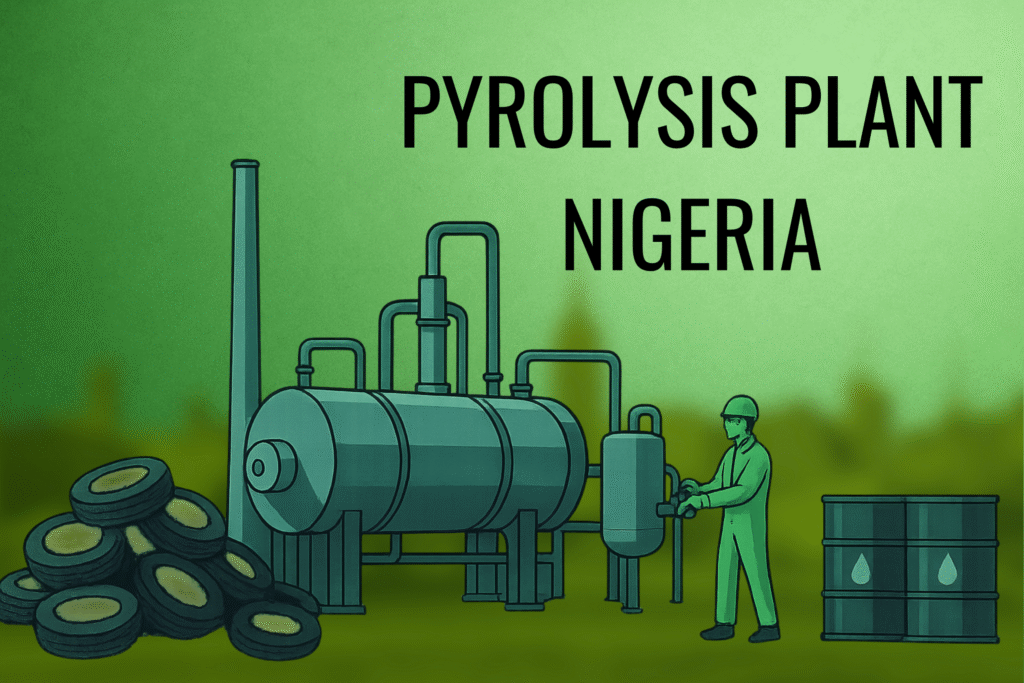
Think of converting mountains of waste tyres, plastics, and sludge into useful fuel, carbon black, and gas—right within Nigeria. That is what a pyrolysis plant Nigeria can achieve. With growing interest from investors, environmentalists, and businesspersons, the idea of a pyrolysis plant in Nigeria is becoming trending, hot, and full of opportunities. In this post, we’ll discuss what a pyrolysis plant Nigeria is, why it’s important, how to start one, its challenges, and how to make it sustainable and profitable. Why Nigeria Needs Pyrolysis Plants A Growing Waste Crisis Nigeria produces tons of plastic, tyre, and industrial waste daily. Most of it is dumped, landfilled, or burnt—causing pollution, flooding, and disease.A pyrolysis plant Nigeria helps redirect this waste into something valuable. Need for Fuel and Energy Even though Nigeria is a major oil producer, it faces refining shortages.A pyrolysis plant Nigeria creates pyrolysis oil and gas, reducing dependence on imported fuels. Economic & Employment Boost Establishing a pyrolysis plant in Nigeria generates employment—collection, sorting, operations, and sales of by-products like carbon black and steel wire. What Is a Pyrolysis Plant (in Nigerian Context)? A pyrolysis plant Nigeria is a facility that breaks down waste materials like tyres, plastics, and sludge under high heat in a low-oxygen environment to produce oil, gas, carbon, and metals.It’s a thermo-chemical recycling process—not burning. Main Components Feeding / Pre-treatment Unit: Shredding, drying, and treating waste. Reactor: Where decomposition happens under heat. Condensation / Cooling System: Converts vapors into liquid oil. Gas Recycling / Burner: Uses gas to power the plant. Residue Processing: Handles carbon black and metal remains. Emission Control: Filters and scrubbers to manage pollution. Types of Pyrolysis Plant Nigeria Batch Pyrolysis Plant Manual feeding/unloading Suitable for smaller scale Semi-Continuous Pyrolysis Plant Partial automation More efficient and faster Fully Continuous Pyrolysis Plant 24/7 operation Ideal for large-scale business Companies like Beston and DOING HOLDINGS have already installed multiple pyrolysis plants in Nigeria, processing tyres, plastics, and sludge. Step-by-Step: How to Plan & Build a Pyrolysis Plant Nigeria 1. Market & Feasibility Study Analyze waste sources, demand for pyrolysis oil, and buyers of carbon black. Confirm the business potential. 2. Technology & Equipment Choice Choose reliable suppliers who meet Nigerian environmental standards. Ensure your pyrolysis plant Nigeria includes emission control systems. 3. Site and Permit Approval Pick an industrial site with road and utility access.Obtain environmental approval from NESREA and local authorities. 4. Construction & Installation Set up reactors, condensers, chimneys, and utilities. Test for leaks and performance. 5. Operation & Maintenance Train staff, monitor heat and emissions, and maintain equipment. 6. Product Processing & Sales Sell pyrolysis oil, carbon black, and steel wire to industries and refineries. Advantages & Opportunities of Pyrolysis Plant Nigeria Multiple Income Streams You can sell oil, carbon black, steel wire, and even combustible gas—creating steady income. Environmental & Social Impact Reducing waste helps minimize pollution and flooding risks. Government Incentives & Support Some Nigerian states encourage waste-to-energy projects. Align with these for support. Local Value Creation Instead of exporting raw waste, process and create value locally in Nigeria. Risks, Challenges & How to Mitigate Them Emissions & Regulatory Compliance Uncontrolled emissions can cause shutdowns.Solution: Invest in filters and scrubbers, and comply with NESREA laws. Feedstock Supply Fluctuations Inconsistent tyre or plastic supply can affect production.Solution: Build long-term waste collection partnerships. High Investment Cost Building a pyrolysis plant Nigeria is costly.Solution: Start small and expand with partnerships or grants. Market Price Volatility Oil and carbon black prices can change.Solution: Secure fixed supply and buyer contracts. Real Examples of Pyrolysis Plant Nigeria Beston Group: Installed 5+ tyre and sludge pyrolysis plants. DOING HOLDINGS: Projects in Lagos, Ondo, and Kano. Oyo State Example: A plant was closed due to pollution—showing the need for clean operation. Why Pyrolysis Plant Nigeria Is Trending Rising awareness about waste management High fuel prices encouraging alternatives Government policies promoting recycling Increased investor interest When people search for “Pyrolysis Plant Nigeria”, they’re looking for real solutions, business ideas, and project success stories. FAQs About Pyrolysis Plant Nigeria Q1: Is it legal to run a pyrolysis plant in Nigeria? Yes, if you comply with all environmental and emission standards. Q2: What plant size is feasible?Start small (5–15 tons/day) and expand to 50+ tons/day. Q3: Who buys pyrolysis oil and carbon black?Industries, small refineries, and manufacturers. Q4: What’s the break-even time?Typically 2–5 years depending on capacity and market demand. Final Thoughts If you’re in Nigeria and want profit plus environmental impact, a pyrolysis plant Nigeria is a great investment. You’ll need: A solid business plan Strong emission control Reliable feedstock Trusted buyer connections Start small, stay compliant, and scale up—your pyrolysis plant Nigeria can become a true waste-to-wealth success story.
The Next Generation of Sustainability Why the Biochar Machine is the Game-Changer
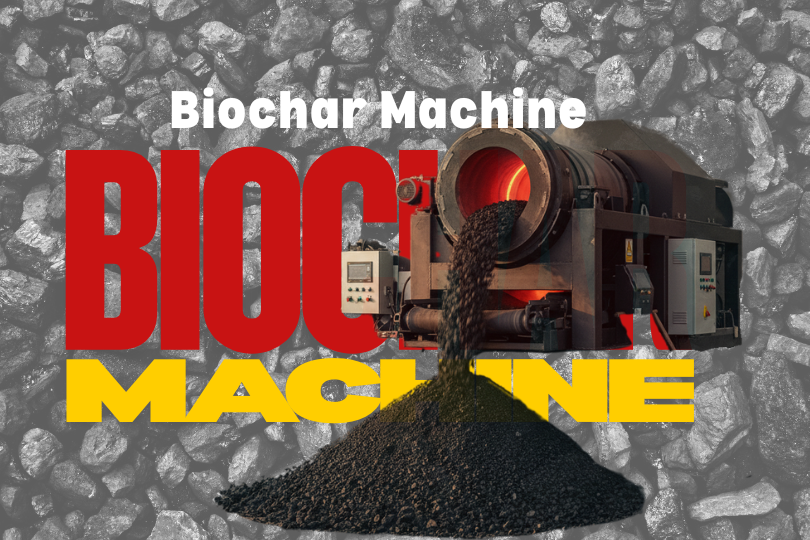
Introduction What does the renewable energy future of tomorrow mean to you? Solar panels on the roof, electric vehicles parked in the driveway, wind turbines spinning across the horizon. Something that’s also stealthily changing discussions globally is the biochar machine. From Indian villages to Western cities in Europe, this machine is creating wealth from waste. Here at this blog site, we will be discussing what is a biochar machine, why there’s buzz surrounding it, and how it’s capable of changing the way we live, grow our food, and even do business. And yes, we will do that conversationally because sustainability’s not purely a technical discussion — we’re living and breathing here. What is a Biochar Machine? Here’s a step-by-step explanation. A biochar machine runs organic materials — like crop wastes, husks of coconuts, wood shavings, or even city green wastes — and turns them into biochar by a process called pyrolysis. Pyrolysis consists of burning the material in the absence of atmosphere that converts it into three marketable byproducts: Biochar – a high-carbon material that’s used as a soil amendment. Syngas – that could be burned as a clean fuel. Bio-oil – an energy by-product. Simply stated, the biochar machine doesn’t dispose of garbage. It generates resources. Why Is the Biochar Machine Currently Trending Worldwide? Sustainability is no longer a buzzword; sustainability is a requirement. Indian farmers, African entrepreneurs, as well as Eurasian policymakers, are each pursuing cleaner technologies. That is exactly where the machine for producing biochar comes in. Here are a few reasons why you’ve heard of it: Soil Rehabilitation: Biochar adds fertility to the soil, reduces water usage, and decreases reliance on chemical fertilizers. Carbon Sequestration: By storing carbon underground, it reduces emissions of greenhouse gases. Energy Production: Syngas and bio-oil can substitute fossil fuels. Waste Disposal: Instead of burning crop residue or green waste, the biochar unit offers it a new use. This combination of economic and environmental advantages is why the biochar machine is appearing in sustainability debates around the globe. A Farmer’s Story: Biochar for Farming Let’s make this more personal. Let’s say we have a farmer from Tamil Nadu who is battling dry land and increasing fertilizer prices. He uses a biochar machine to turn rice husks and coconut shells into biochar. That biochar returns to him on his farm, enriching the land and enriching his crops. These days, instead of buying chemical fertilizers, he’s recycling his farm waste. That’s the kind of real-world experience that translates the biochar machine from theory to practical, local profit. Prospects of Business & Entrepreneurship Here’s the best part: the biochar machine isn’t just for farmers. Entrepreneurs are already building businesses around it. From selling fertilizers produced from biochar to developing renewable sources of energy, the technology is creating new income opportunities. And you know what? Even online marketing is involved here. Suppose you’re launching a small biochar enterprise out of Chennai. You will require social media marketing, SEO, and online advertisements to reach out to farmers, entrepreneurs, as well as overseas buyers. That’s how sustainability and online marketing are hand-in-hand. Expertise and Authority: Why Is Biochar Different? Specialists also state that biochar has other applications than agriculture: It may also be applied for filtering water. It supports carbon trading markets. It minimizes methane emissions from animal beddings. This is because the biochar machine is regarded by scientists, environmental activists, and politicians alike as a flagship of the green revolution. Through the blending of research, innovation, and ground-level effects, such a solution demonstrates EEAT—just those very things Google seeks out while ranking blogs and posts. Improving Household Waste at an Expanded Scale If you’ve ever attempted to distill used motor oil at home, you know the value of recycling waste. Though oil distillation at home is dangerous and safety gear is needed, the concept is basically the same as with the biochar machine — take waste material that’s looked at as trash and distill it down to a resource that’s useful. This link is helpful because you see that sustainability is not necessarily about large machines or industries. It begins at home by the attitude of not discarding but of asking yourself: Is there any way I could use that again? Could I repurpose that? Geo-Based Impact: Why It’s Essential in India and Other Regions In India, the potential of the biochar machine is huge. Those Indian states like Punjab and Haryana where crop stubble burning is a huge problem can avail of this technology. Instead of creating smog that chokes Delhi every winter season, farmers could create biochar from stubble by improving their soils while creating less pollution. Around the world, Africa is already embracing biochar for enhancing fertility of soils in semi-arid areas. In Europe, climate change policies are compelling businesses towards embracing biochar technologies. Such geo-based adoption indicates that the machine for biochar is not restricted at the regional level but is applicable globally. Digital Marketing for Biochar Companies Let’s zoom out again at the business end. As an entrepreneur/business owner who uses a biochar machine, you require exposure. That’s where you need digital marketing: SEO blogs: Such as this one, in order to feature on Google. Information on social media platforms: Instagram reels of biochar production. Video marketing: Describing the way the biochar machine minimizes waste. Google Ads: Targeting industries, farmers, and environmentally minded consumers. A small-scale biochar business from India can reach out to the whole world with a good digital strategy. Future of Manufacturing of Biochar Machine In the future, the biochar machine will continue to improve. Automation, AI, and IoT will bring smarter machines that regulate waste input, emissions control, and optimal output. Governments are also coming with subsidies and policies aimed at stimulating green technologies. The bottom line? The biochar machine is not only hardware — but rather the vision of tomorrow — one that flips the concept of waste on its head by creating life’s source material from waste. Conclusion The biochar machine is not only trendy
How to Refine Used Motor Oil at Home: Step-by-Step Guide

How to refine used motor oil at home is a question many car owners ask after every oil change. Instead of throwing away that black, dirty liquid, you can clean, recycle, and reuse it in simple ways. Most people dispose of it, not knowing that this “waste” oil can be cleaned, recycled, and even made useful once again. Not only is it smart for your budget to learn how to refine used motor oil at home, but it also helps protect the planet. Why Do You Need to Refine Used Motor Oil at Home? 1. Save Money You can reuse used motor oil for lubrication or machinery when you know how to refine used motor oil at home, instead of purchasing new oil each time. 2. Protect the Environment Pouring oil into drains or soil contaminates water and land. Refining reduces waste and pollution. 3. DIY Satisfaction There’s real satisfaction in recycling and creating something useful on your own. What Does Refining Used Motor Oil at Home Mean? Refining doesn’t mean making high-tech industrial diesel. It’s about filtering, cleaning, and reusing oil safely. Uses of Refined Motor Oil Lubricating small machinery Protecting tools from rust Fuel for certain heaters (with caution) Tools Required to Refine Used Motor Oil at Home Funnel and filters (coffee filters, cloth, or oil filters) Large containers or bottles A glass or steel bowl to collect filtered oil A secure, well-ventilated workspace (outdoors is best) Protective gloves and safety glasses Step-by-Step Instructions: How to Refine Used Motor Oil at Home Step 1: Collect the Used Oil Drain the oil into a big container. Avoid mixing it with coolant or other liquids. Step 2: Allow the Oil to Settle Leave it undisturbed for 24–48 hours. Sludge and heavy particles will sink to the bottom. Step 3: Initial Filtration Pour the upper layer of oil through a funnel lined with filter cloth or paper to remove large debris. Step 4: Fine Filtration Use several layers of cloth or coffee filters for deeper cleaning. Step 5: Optional Heating Slightly heat (never boil) to remove water. Always do this outdoors with proper precautions. Step 6: Store the Refined Oil Transfer into a clean container labeled “Refined Oil.” Seal tightly and keep in a dry place. Safety Precautions for Refining Used Motor Oil at Home Always wear gloves and safety glasses. Never heat oil near open flames. Keep kids and pets away from your workspace. Dispose of sludge properly at waste centers. Advantages of Knowing How to Refine Used Motor Oil at Home Environment-Friendly Helps reduce pollution and protects natural resources. Budget-Friendly Cuts down the cost of constantly buying new oil. Educational Encourages recycling habits and responsible DIY practices. Practical Perfect for small tools, machinery, and household projects. FAQs on Refining Used Motor Oil at Home Q: Can I reuse refined oil in my car engine? A: No. It’s best for lubrication, rust prevention, or heaters. Q: How many times can I refine oil? A: Usually 1–2 times before the quality degrades too much. Q: Is it legal to refine oil at home? A: Yes, for personal use. Selling refined oil may require special licenses. Conclusion Learning how to refine used motor oil at home is an easy yet effective way to save money, reduce waste, and care for the environment. Instead of discarding dirty oil, refine it at home and put it to good use. Don’t throw away your oil next time you change it — refine and recycle it. You’ll be amazed at how useful it can be!
Used Motor Oil to Diesel: Recycling Waste into Fuel for a Greener Tomorrow

Millions of gallons of motor oil are drained from trucks, machinery, and vehicles annually. Most of it is discarded or incinerated, resulting in major harm to the environment. What if there was a better, smarter way to recycle the waste? That is where the concept of using used motor oil to diesel comes in. Around the globe, recycling used motor oil to diesel is the latest buzz because it’s not only about going green—it’s about saving the world. This advanced technology can lower pollution, decrease crude oil imports, and produce beyond environmentally friendly fuel that keeps cars running. Let’s take a closer look at how used motor oil to diesel works, why it’s important, and how it’s transforming the future of green energy. Why Used Motor Oil to Diesel is the Future Used motor oil doesn’t disappear when it’s drained from engines. It’s full of contaminants, heavy metals, and residues that can poison soil and water if not handled properly. By turning used motor oil into diesel, we address two issues at once: Key Advantages Waste Reduction – Rather than disposing used oil as waste, we recycle it into usable diesel. Energy Security – Conversion minimizes the demand for costly fuel imports. Environmental Protection – Reused fuel burns cleaner and reduces greenhouse gas emissions. The Process: How Used Motor Oil Becomes Diesel The process of used motor oil to diesel has fascinating science behind it. Step 1: Collection The used oil is gathered from garages, auto shops, and industries. Step 2: Cleaning Dirt, water, heavy metals, and impurities are removed. Step 3: Conversion The oil is thermally treated in oxygen-free chambers by either pyrolysis or distillation to break it into smaller hydrocarbons. Step 4: Refining The product is refined into high-grade diesel fuel that can efficiently run engines. The Outcome: A clean-burning substitute fuel that is nearly as efficient as petroleum-based diesel. Benefits of Converting Used Motor Oil to Diesel Environmental Benefits Greener environment with less land and water pollution Reduced emissions and cleaner air Economic & Social Benefits Fiscal savings from reduced fossil fuel imports Employment generation in collection and refining industries Encouragement of a circular economy Global Trends in Used Motor Oil to Diesel United States & Europe: Large plants process billions of gallons annually. Developing Countries: Smaller plants are being established for local waste oil. Insight: This trend proves that used motor oil to diesel is profitable, practical, and here to stay. Challenges in Used Motor Oil to Diesel Major Barriers High Setup Costs – Building plants requires large investments. Technology Barriers – Sophisticated equipment is essential. Awareness Issues – Many still don’t know used oil can be recycled. Regulatory Barriers – Governments must create strong policies. However, innovation, reforms, and awareness campaigns are steadily solving these issues. How Communities and Businesses Can Help Role of Individuals Car owners should avoid spills and return used oil to collection points. Role of Workshops & Garages Partner with biodiesel companies for safe disposal. Role of Governments Provide incentives and implement green policies. Role of Businesses Invest in refining plants and local enterprises. The Future of Used Motor Oil to Diesel With oil prices increasing and climate change worsening, recycling used oil will become essential. Vision of Tomorrow: Every liter of used motor oil collected and recycled No pollution, no waste—just clean diesel powering vehicles and industries Conclusion The transformation of used motor oil into diesel is the ultimate example of turning waste into wealth. Instead of damaging the environment, we can recycle what already exists and reduce our reliance on fossil fuels. This is more than recycling—it’s innovation, sustainability, and responsibility. By adopting used motor oil to diesel, we’re saving energy and building a cleaner, healthier future for generations to come.
Used Cooking Oil to Biodiesel Guyana: Powering a Greener Tomorrow

Introduction: An Emerging Energy Revolution in Guyana Guyana stands on the threshold of a new era of energy. While Guyana has long been famous for its oil reserves, the future is also being defined by clean energy solutions. One of the most thrilling opportunities available today is the used cooking oil to biodiesel Guyana revolution. Each day, homes, hotels, and restaurants in Georgetown, Linden, and beyond produce gallons of waste cooking oil. Rather than being poured down drains or sent to landfills, that oil can be recycled into biodiesel—a clean, beyond-renewable fuel that curbs pollution and enhances Guyana’s energy independence. What is Biodiesel from Used Cooking Oil? Defining Biodiesel for Guyana’s Market Biodiesel is a sustainable fuel produced through the conversion of vegetable oils, animal fats, or waste cooking oil into a green substitute for diesel. How Used Cooking Oil Becomes a Clean Fuel When we refer to used cooking oil to biodiesel Guyana, it denotes the frying leftover oil that is gathered, purified, and re-refined to environmentally friendly fuel. Minimizes waste management concerns Reduces greenhouse gas emissions Delivers cost-effective cleaner power Why Guyana Needs Used Cooking Oil to Biodiesel Sustainability Benefits Guyana has made a commitment to offsetting oil exploration with renewable energy. Used cooking oil to biodiesel Guyana cuts fossil fuel reliance and pushes for greener solutions. Greener Guyana Environment Waste cooking oil typically drains into pipes and waterways, contaminating rivers and land. Recycling the oil protects Guyana’s natural resources. Agricultural & Local Business Support Farmers and small-scale businesses gain when biodiesel lowers fuel expenses and meets rural energy demand. Economic Growth and Job Creation From collection to processing, used cooking oil to biodiesel Guyana generates employment across industries—transportation, manufacturing, and retail. The Process: From Kitchen to Fuel Tank Step 1: Collection of Used Cooking Oil Hotels, restaurants, and residential homes throughout Guyana collect and store waste cooking oil. Step 2: Filtration and Cleaning It is filtered to eliminate impurities and food particles. Step 3: Transesterification Process A chemical process that uses alcohol and a catalyst to convert oil to biodiesel and glycerin. Step 4: Refinement and Quality Testing The biodiesel is refined to international engine standards. Step 5: Usage in Vehicles and Machinery It finally finds use in powering buses, trucks, and even generators throughout Guyana. Global Trends and Opportunity for Guyana Learning from Europe and South Africa In South Africa, public transport is fueled by biodiesel. In Europe, tax breaks are provided for the use of biodiesel. Startups and Success Stories from Asia India and China have successful startups converting cooking oil into fuel. Guyana can follow suit. Why Guyana is Ideal for Biodiesel Development Guyana’s tourist industry, street food culture, and hospitality sector generate vast amounts of waste oil—perfect for the production of biodiesel. Financial Gains for Guyana Savings on Imports and Decreased Dependence Guyana spends millions on fossil fuel imports. Used cooking oil to biodiesel Guyana can reduce this dependency and save money. Export Opportunities within the Caribbean With excess production, Guyana is able to export biodiesel to nearby Caribbean countries. New Businesses and Investments Entrepreneurs can establish collection stations and biodiesel refineries, stimulating the economy. Green Job Opportunities From unskilled laborers to engineers, biodiesel production creates opportunities for all. Challenges Guyana Has to Overcome Awareness and Education Barriers Most households continue to pour oil down drains. Public awareness campaigns are necessary. Infrastructure and Processing Constraints Guyana currently lacks major biodiesel refineries. Investment is required. Policy and Subsidy Needs Government incentives and subsidies will make biodiesel production competitive. Competition with Fossil Fuels Conventional fuels are still cheaper, though biodiesel offers long-term advantages. Role of Government and Community Role of Government in Policy & Support Public-private partnerships, grants, and tax incentives can spur biodiesel growth. Role of Restaurants and Hotels in Oil Supply Hotels and restaurants can directly supply waste oil to biodiesel plants. Role of Citizens Towards a Greener Guyana Households can participate by storing used oil and joining collection schemes. The Future of Biodiesel in Guyana Guyana as the Region’s Renewable Energy Leader Guyana has the potential to lead the Caribbean in clean energy innovation. Chances for the Next Ten Years If properly managed, used cooking oil to biodiesel Guyana can grow into a billion-dollar industry balancing growth and sustainability. Conclusion: Time to Take Action The moment is now. Used oil to biodiesel in Guyana isn’t only a concept—it’s a movement that can curb pollution, cut costs, and create jobs. From families to factories, every drop of oil can power Guyana’s future. The message is clear: turn waste into wealth and make Guyana a leader in renewable energy.
From Waste to Wealth: How Used Cooking Oil to Biodiesel is Fueling a Cleaner Future Worldwide
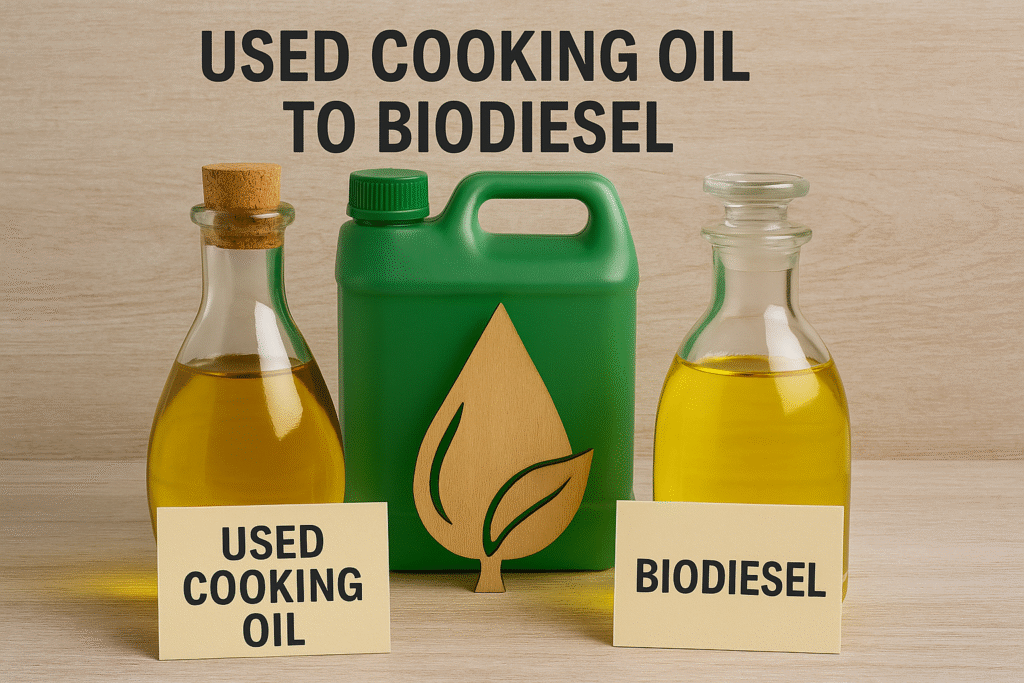
Introduction Used cooking oil to biodiesel. Each day, homes, eateries, and the food industry across the globe consume millions of liters of cooking oil. Whether it’s street vendors frying snacks in India or fast-food joints in the U.S. serving up French fries, cooking oil plays a central role in our meals. But what happens to the oil once it’s used? Unfortunately, a large portion ends up being dumped down drains or tossed out, causing environmental harm. Enter an innovative and sustainable solution—turning used cooking oil into biodiesel. This approach is more than just eco-friendly—it’s a growing global trend that transforms waste into sustainable energy. From India and the U.S. to South Africa, Europe, and even smaller island nations, the momentum to repurpose used cooking oil into biodiesel is building fast. Let’s break down how it works, why it matters, and how it’s impacting lives worldwide. What Is Biodiesel Made From Used Cooking Oil? Biodiesel is a green, renewable fuel made from vegetable oil, animal fat, or recycled cooking oil. When it comes to used cooking oil to biodiesel starts with collecting discarded oil, then filtering and refining it through a chemical process called transesterification. What you get is a clean-burning diesel alternative that can power most engines without any modifications. Unlike traditional fossil fuels, biodiesel helps cut down greenhouse gas emissions, supports local businesses, and prevents the pollution that happens when waste oil is dumped. Around the world, it’s becoming a key player in sustainable transportation—fueling buses in London, trucks in California, and even farming equipment in rural parts of India. Why Is Used Cooking Oil to Biodiesel Gaining Global Popularity? The movement to convert used cooking oil to biodiesel is picking up steam—and with good reason: Environmental Benefits Cuts CO₂ emissions by as much as 80%. Stops waste oil from clogging sewage systems and contaminating water. Encourages a circular economy by turning waste into something useful. Economic Opportunities Restaurants and food outlets can sell their used oil instead of throwing it away. The rise of biodiesel startups is creating thousands of green jobs. Governments are offering tax incentives and subsidies to support biodiesel use. Energy Security Countries that depend heavily on imported oil view biodiesel as a way to become more self-reliant. It adds diversity to national energy portfolios and strengthens energy independence. Step-by-Step: How Used Cooking Oil Becomes Biodiesel Here’s a simplified look at how used cooking oil to biodiesel gets converted: Collection – Used oil is gathered from restaurants, street vendors, and homes instead of being discarded. Filtering & Cleaning – Impurities and leftover food particles are removed. Chemical Reaction (Transesterification) – The cleaned oil is combined with methanol and a catalyst to produce biodiesel and glycerin. Purification – The biodiesel is separated, washed, and made ready for use. Usage – The final product can either be mixed with traditional diesel or used on its own in most engines. This relatively simple process is now being adopted at both small and industrial scales—from local biodiesel facilities in Africa to high-tech refineries in Europe. Global Movement Toward Used Cooking Oil Biodiesel 1. Asia India: The government promotes biodiesel by encouraging food chains to supply their waste oil—cutting down urban pollution and boosting clean energy. China: With its enormous food industry, China generates vast amounts of waste oil. Converting it to biodiesel is becoming essential to its renewable energy strategy. 2. Europe Nations like the UK, France, and Germany are at the forefront of using biodiesel from waste oil in public transportation. London buses have partially run on biodiesel since 2015. 3. North America In the U.S., many large biodiesel plants rely on recycled cooking oil. States like California and Texas have restaurant recycling initiatives that support this. 4. Africa Countries including Kenya, Nigeria, and South Africa are adopting biodiesel on a small scale to offer rural communities affordable fuel. This initiative helps farmers cut costs while benefiting the environment. 5. Middle East Nations like Saudi Arabia and the UAE are diversifying beyond crude oil by investing in waste-to-fuel technologies like biodiesel. 6. Australia Backed by robust green energy policies, Australia is making used cooking oil biodiesel a part of its national renewable energy strategy. Real-Life Impact Around the World for used cooking oil to biodiesel In the UK, McDonald’s transforms its used cooking oil into biodiesel to fuel its delivery fleet. In the U.S., Midwestern school buses run on biodiesel, contributing to cleaner air and healthier children. In rural Africa, small-scale biodiesel plants are using waste oil to bring electricity to schools and clinics. These examples show that this isn’t just a concept—it’s making a real difference in people’s lives today. Challenges Along the Way for used cooking oil to biodiesel While the benefits are clear, the road to widespread adoption isn’t without bumps: Many households lack awareness about recycling used cooking oil to biodiesel. High logistics costs, especially in remote areas, make collection challenging. Some regions still need better government support and policies. There’s competition from other industries that use waste oil, like soap production or animal feed. However, as global awareness and environmental consciousness grow, solutions to these challenges are steadily being developed. Looking Ahead: The Future of Used Cooking Oil to Biodiesel The outlook is promising. Analysts believe the biodiesel market could exceed $70 billion by 2030, with used cooking oil to biodiesel playing a major role in that growth. As technology improves and supply chains get more efficient, what was once considered waste will become a valuable energy resource. Picture a world where every samosa, burger, or French fry indirectly helps produce clean energy. That’s not a far-off dream—it’s becoming a reality. Conclusion The journey from used cooking oil to biodiesel is more than a technical innovation—it’s a powerful human story. It’s about transforming used cooking oil biodiesel south Africa, and pollution into progress. From individual households to major food corporations, and from small villages to global cities, the movement is growing. By supporting this sustainable solution, we’re not only protecting the environment
Used Cooking Oil to Biodiesel South Africa: A Clean Energy Revolution

Introduction: South Africa’s Path to Renewable Energy South Africa is a land of innovation and growth, but it also faces major challenges—rising energy demand, dependence on fossil fuels, and mounting pollution. Every day, households, restaurants, and hotels in Johannesburg, Cape Town, Durban, and Pretoria generate thousands of liters of used cooking oil. Sadly, most of it is poured into drains or dumped in landfills, polluting the environment. This is where the used cooking oil to biodiesel South Africa movement begins. Instead of waste, this oil is being collected and transformed into biodiesel—a renewable fuel that powers vehicles, reduces pollution, creates jobs, and strengthens the economy. Let’s dive into why used cooking oil to biodiesel South Africa is trending, how the process works, its benefits, and what the future holds. Why South Africa Needs Used Cooking Oil to Biodiesel South Africa’s situation is both an energy crisis and an environmental challenge. Here’s why used cooking oil to biodiesel South Africa is vital: Waste Management – Millions of liters of cooking oil are wasted daily, clogging drains and harming rivers. Reducing Imports – South Africa spends heavily on imported fossil fuels; biodiesel lowers this dependency. Government Policies – Renewable energy initiatives actively support biodiesel adoption. Job Creation – From collection to processing, biodiesel generates employment. Cleaner Cities – Recycling waste oil leads to healthier, more sustainable communities. In short, used cooking oil to biodiesel South Africa provides solutions for waste, energy, and jobs all at once. What is Biodiesel from Used Cooking Oil? Biodiesel is a renewable, eco-friendly fuel derived from organic oils and fats. Specifically, used cooking oil to biodiesel South Africa involves collecting waste oil from households, hotels, and food industries, and refining it into clean-burning biodiesel. Advantages Over Conventional Diesel Emits fewer greenhouse gases Can be blended with or replace normal diesel Transforms waste into valuable energy Encourages a circular economy (waste into wealth) This makes used cooking oil to biodiesel South Africa one of the smartest sustainable solutions today. How the Process Works: From Kitchen to Fuel Tank The used cooking oil to biodiesel South Africa journey is simple yet impactful: Step 1: Collection Restaurants, hotels, and homes provide their used oil. Step 2: Filtration The oil is purified to remove food particles and impurities. Step 3: Transesterification Through a chemical reaction with alcohol and a catalyst, oil becomes biodiesel + glycerin. Step 4: Purification Biodiesel is refined to meet engine safety and performance standards. Step 5: Distribution The clean fuel is supplied to fueling stations, industries, and transport companies. This system proves that used cooking oil to biodiesel South Africa is both feasible and scalable. Benefits of Used Cooking Oil to Biodiesel in South Africa The benefits of used cooking oil to biodiesel South Africa go far beyond fuel: Environmental Benefits Cuts carbon emissions by up to 80% Keeps oil waste out of rivers and soil Economic Benefits Reduces dependence on expensive fuel imports Encourages small refineries and SMEs Social Benefits Creates jobs in collection, processing, and logistics Supports government renewable goals Raises community awareness about green energy Clearly, used cooking oil to biodiesel South Africa helps build a cleaner and stronger nation. Geo-Focus: Where in South Africa is it Growing? The used cooking oil to biodiesel South Africa movement is thriving across different regions: Johannesburg – Large hospitality industry generating significant waste oil. Cape Town – Tourism sector supports oil recycling projects. Durban – Strategic port city ideal for exports. Pretoria – Hub of government-supported renewable projects. Rural Areas – Small biodiesel plants bring income to local communities. Trends Driving Used Cooking Oil to Biodiesel South Africa Several trends are accelerating the growth: Rising global fuel prices Increasing awareness about sustainability Government renewable energy incentives Strong partnerships with restaurants and hotels Consistent market growth expected over the next decade Together, these factors make used cooking oil to biodiesel South Africa one of the fastest-growing energy solutions in the country. Investment Potential For entrepreneurs and investors, used cooking oil to biodiesel South Africa is a golden opportunity. Small-Scale Plants Community-driven units for local fuel supply. Medium-Scale Operations Perfect for hotels, transport fleets, and industries. Large Refineries Capable of powering entire cities and exporting biodiesel. Revenue comes from transportation companies, industries, and cross-border exports. Challenges & Solutions Despite the potential, used cooking oil to biodiesel South Africa faces some challenges: Collection Issues – Many households don’t separate waste oil.✔ Solution: Awareness and collection incentives High Setup Costs – Biodiesel plants need large investments.✔ Solution: Subsidies + public-private partnerships Quality Standards – Biodiesel must meet global performance benchmarks.✔ Solution: Stronger regulations and certification systems With these solutions, used cooking oil to biodiesel South Africa can scale up successfully. FAQs: Used Cooking Oil to Biodiesel South Africa Q1. Is biodiesel profitable in South Africa?Yes, high demand and large oil supply make it profitable. Q2. Can biodiesel be used in regular diesel engines?Yes, biodiesel blends work in most engines without modification. Q3. How much investment is required?Small plants start at about $100,000; large facilities require millions. Q4. Who can benefit from this industry?Entrepreneurs, NGOs, municipalities, and private companies. Q5. Is biodiesel eco-friendly?Absolutely. It cuts emissions, prevents waste pollution, and supports sustainability. Conclusion: The Future of Clean Energy in South Africa South Africa is at an energy crossroads. With increasing waste and reliance on fossil fuels, the rise of used cooking oil to biodiesel South Africa is a breakthrough solution for digital marketing. From Cape Town to Johannesburg, Durban to Pretoria, used cooking oil to biodiesel Namibia—it’s energy, jobs, and sustainability. The future is clear: used cooking oil to biodiesel South Africa isn’t just about renewable fuel—it’s the future of green energy, and South Africa is leading the way.